
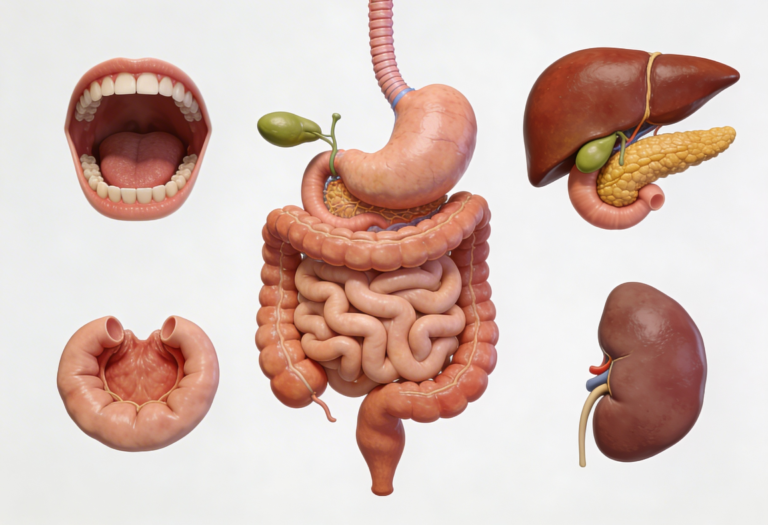
Digestion is the process by which your body breaks down the food you eat into nutrients that can be absorbed and used for energy, repair, and overall health. While many people think digestion happens only in the stomach, it is actually a coordinated, multi-organ process involving the mouth, food pipe, stomach, small intestine, large intestine, liver, pancreas, and gut bacteria.
When digestion works well, you feel light, energized, and regular. When it doesn’t, symptoms such as acidity, bloating, constipation, gas, or irregular bowel movements appear. Across urban India especially in cities like Bengaluru digestive complaints are now one of the most common reasons for doctor visits.
According to digestive health specialist Dr. Gaurang Ramesh at GutHealthDoctor, many chronic digestive symptoms are functional and treatable when evaluated properly instead of being repeatedly suppressed with over-the-counter medicines. Multispeciality centers such as Arka Multi-Speciality Hospital increasingly use structured diagnostic pathways to identify the real cause.
Let’s break digestion down step by step in simple terms.
Digestion is the biological breakdown of food into small molecules your body can absorb.
In practical terms:
These nutrients then enter the bloodstream through the intestine and are delivered to cells.
If this breakdown or absorption fails, you may eat well but still develop nutrient deficiencies, fatigue, gut discomfort, or inflammation.
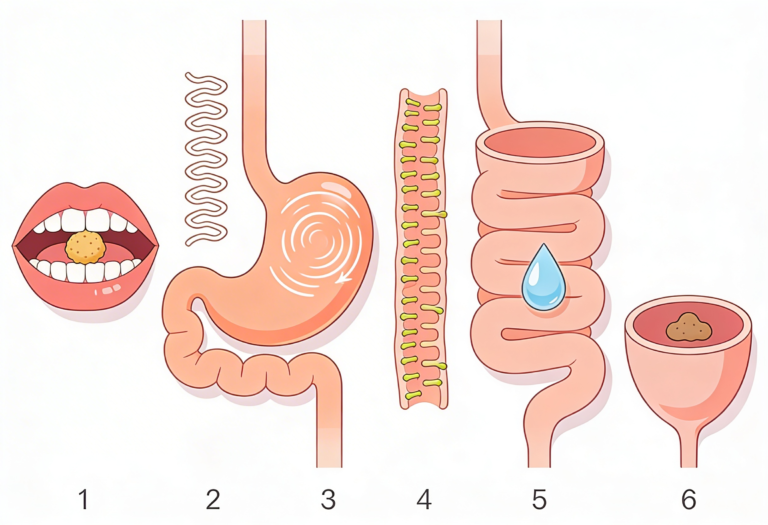
Digestion happens across the digestive tract, a long muscular tube running from mouth to anus.
Each stage has a specific role.
Digestion begins even before the first bite. This is called the cephalic phase.
When you see or smell food:
Eating while stressed, distracted, or rushing reduces this preparation phase. This is one reason why fast, screen-time meals are linked with indigestion and bloating in working urban populations.
The mouth performs both mechanical and chemical digestion.
Saliva contains:
Poor chewing is a surprisingly common cause of post-meal heaviness and gas.
The esophagus is a muscular tube that moves food to the stomach using peristalsis – wave-like contractions.
At its lower end is the lower esophageal sphincter (LES).
Acid reflux and GERD occur.
Swallowing difficulty (achalasia) occurs.
Tests like esophageal manometry at Arka Anugraha Hospital – measure this muscle function precisely.
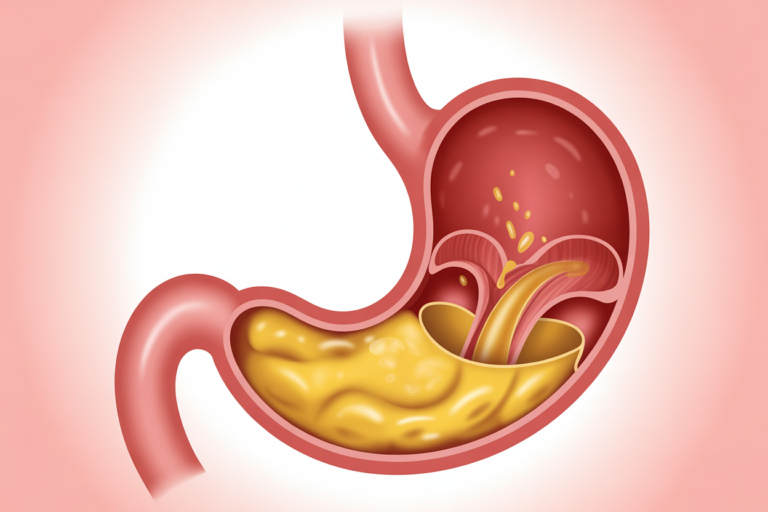
The stomach is a chemical digestion chamber and pathogen barrier.
It produces:
The stomach churns food into semi-liquid chyme.
Both excess acid and insufficient acid can cause symptoms – which is why evaluation matters before long-term acid suppression.
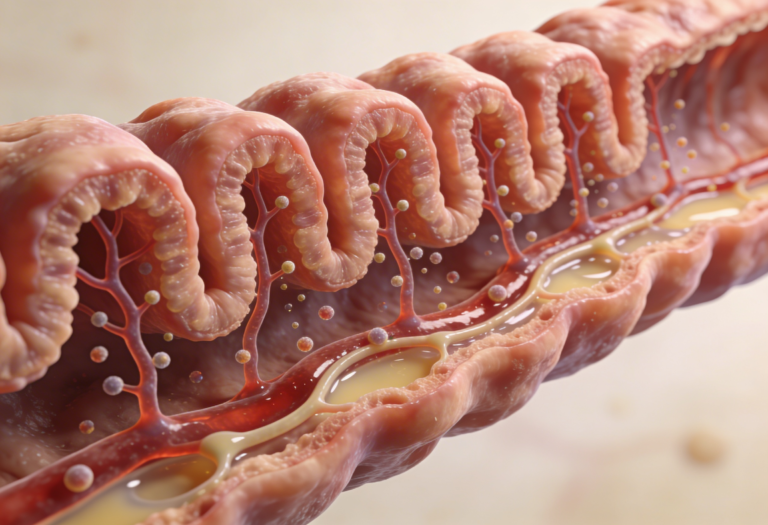
Most digestion and almost all nutrient absorption occur in the small intestine.
Nutrients are absorbed through microscopic structures called villi.
Damage here – such as in celiac disease – causes malabsorption.
The large intestine does not digest nutrients – it processes leftovers.
It:
The colon contains trillions of microbes – the gut microbiome.
They help:
Imbalance is linked to:
Breath testing – used by digestive specialists including Dr. Gaurang Ramesh’s GutHealthDoctor program helps detect bacterial overgrowth patterns.
Modern digestive problems are often lifestyle driven.
Structured digestive programs at centers such as GutHealthDoctor and Arka Multi-Speciality Hospital increasingly focus on correcting these root drivers.
Stress directly alters digestive physiology through the gut-brain axis.
Stress hormones:
This is why IBS symptoms often worsen during stress. Yoga, breathing practices, and sleep regulation show measurable digestive benefits.
Frequently reported symptoms include:
Occasional symptoms are normal. Persistent symptoms are not.
These require specialist evaluation:
These often require endoscopy or colonoscopy.
Modern gastroenterology uses both structural and functional tests.
Endoscopy – examines esophagus and stomach
Colonoscopy – examines colon
Breath tests – detect SIBO and intolerances
Manometry – measures muscle coordination
Motility studies – measure transit speed
Advanced diagnostics are typically available through specialist digestive centers such as GutHealthDoctor and hospital gastro units like Arka Multi-Speciality Hospital.
Treatment depends on the cause.
If symptoms persist, structured evaluation is usually more effective than repeated self-medication.
Evidence-based digestive habits:
Traditional Indian foods such as buttermilk, millets, lentils, and fermented batters support gut health.
Seek specialist care if symptoms are:
Early evaluation improves outcomes and reduces complications. Patients in Bengaluru and across India can access structured digestive evaluation through Dr. Gaurang Ramesh’s GutHealthDoctor program and gastroenterology teams at Arka Multi-Speciality Hospital.
Digestion is the process of breaking food into absorbable nutrients.
In the small intestine.
Yes. Stress alters enzyme secretion and gut movement.
Gas production, fermentation, or intolerance.
No. Acidity is acid excess; indigestion is broader discomfort.
Bacterial overgrowth in the small intestine.
Yes. It supports motility and gut bacteria.
If symptoms persist or red flags appear.
Lorem ipsum dolor sit amet, consectetur adipiscing elit.
Lorem ipsum dolor sit amet, consectetur adipiscing elit.
Lorem ipsum dolor sit amet, consectetur adipiscing elit.