What Is Gut Motility? Why Slow or Fast Digestion Causes Symptoms
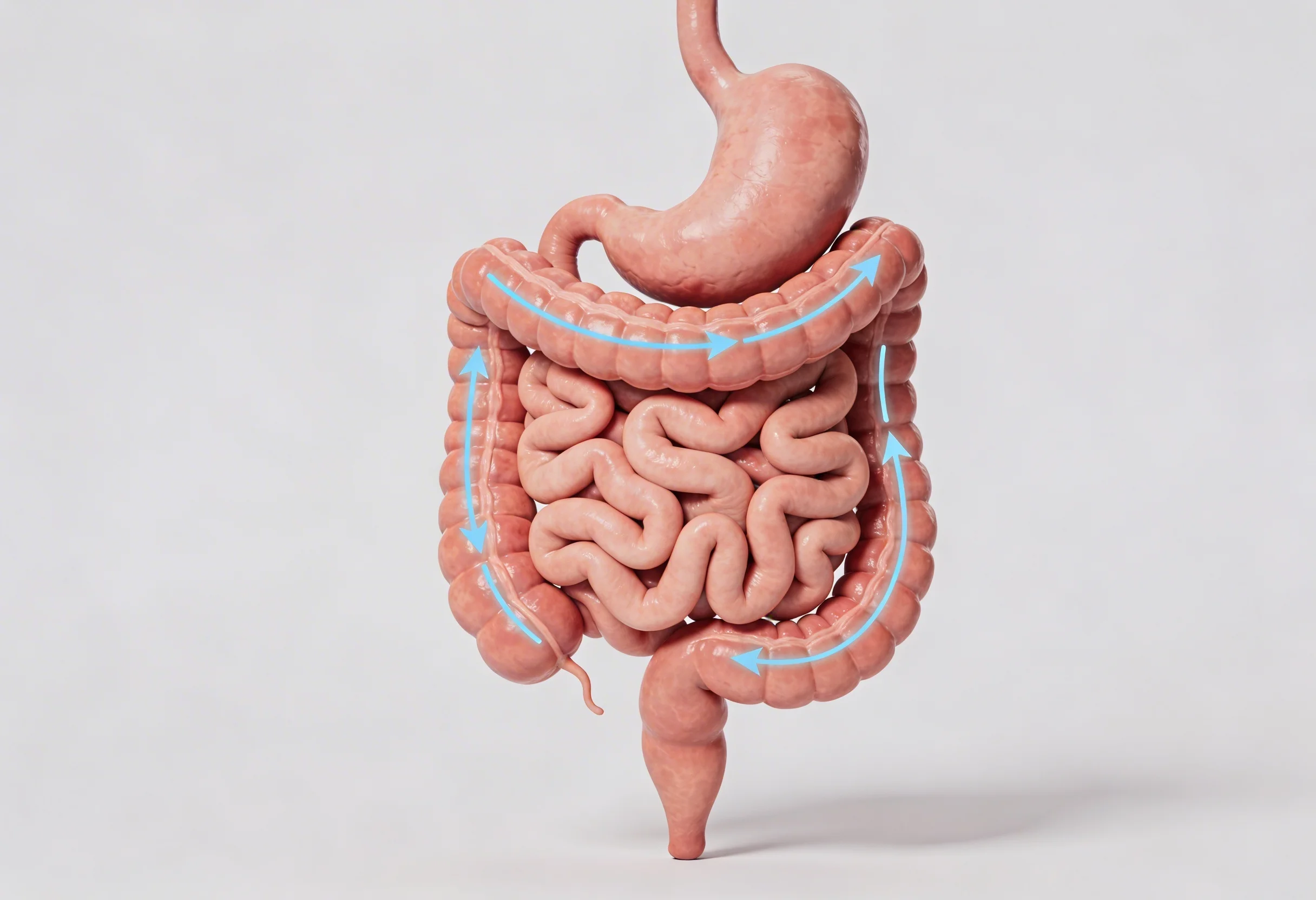
Most people think digestion problems come only from acid, food type, or “weak digestion.” But one of the biggest hidden causes of persistent digestive symptoms is gut motility, the speed and coordination with which food moves through your digestive tract.
If movement is too slow, food stays longer than it should, leading to nausea, heaviness, bloating, reflux, and vomiting. If movement is too fast, food rushes through, causing cramps, diarrhea, dizziness, and even blood sugar crashes.
Across India especially in urban populations many patients with chronic bloating, unexplained nausea, early fullness, or post-meal weakness are later found to have motility disorders rather than simple acidity.
Specialized gut programs such as those led by Dr. Gaurang Ramesh at GutHealthDoctor and hospital gastroenterology units like Arka Anugraha Hospital increasingly evaluate gut motility when routine treatment for GERD or IBS fails.
Let’s break this down in simple, medically accurate language.
What Is Gut Motility?
Gut motility means the movement of food through the digestive tract using coordinated muscle contractions and nerve signals.
It includes:
Stomach grinding and emptying
Small intestine transit
Colon movement
Bowel evacuation
This movement is automatic and controlled by a dedicated nerve network inside the gut wall called the enteric nervous system.
Motility is not random; it follows timing patterns. When timing is disrupted, symptoms appear.
How Gut Movement Is Controlled
The gut’s “second brain”
The digestive tract contains its own nerve system often called the second brain with millions of neurons controlling contraction patterns.
Two major nerve networks regulate movement:
Myenteric plexus controls muscle contractions
Submucosal plexus controls secretion and blood flow
These work with signals from the brain through the vagus nerve.
Natural gut pacemaker cells
Special cells called Interstitial Cells of Cajal act like electrical pacemakers.
They create rhythmic signals that trigger muscle waves:
Stomach rhythm ~3 waves per minute
Small intestine faster rhythm
Damage to these pacemaker cells is linked to gastroparesis and other motility disorders.
What Happens in Normal Digestion Timing
Digestion follows phases.
Before eating preparation phase
Just seeing or smelling food triggers nerve signals that:
Relax the stomach
Start acid secretion
Prepare muscle activity
If this fails, patients feel full after a few bites called early satiety.
During eating stomach grinding phase
The stomach:
Churns food
Breaks solids into tiny particles
Releases small amounts slowly into intestine
Fatty and very sugary foods naturally slow this process.
Between meals gut cleaning phase
When you are not eating, a cleaning wave called the Migrating Motor Complex sweeps through the gut every 90 – 120 minutes.
It:
Clears debris
Reduces bacterial overgrowth
Prevents fermentation
Frequent snacking can shut this cleaning cycle off contributing to SIBO risk.
What Is Slow Gut Motility (Gastroparesis)?
Slow stomach emptying is called gastroparesis.
Food remains in the stomach too long.
Common symptoms
Fullness after small meals
Nausea
Vomiting undigested food
Upper abdominal bloating
Reflux not improving with acid medicines
Weight loss
Vomiting may contain food eaten several hours earlier, a key clinical clue.
Common causes
Diabetes (most common)
High blood sugar damages vagus nerve control.
Post-viral nerve injury
Seen after viral infections sometimes reversible.
Surgery
Upper GI surgery can injure vagus nerve.
Medications
Opioids
GLP-1 weight loss drugs
Anticholinergics
Thyroid disorders
Hypothyroidism slows gut movement.
What Is Fast Gut Motility (Dumping Syndrome)?
Rapid stomach emptying is called dumping syndrome.
Food enters the intestine too quickly.
Often seen after:
Gastric surgery
Bariatric procedures
Pylorus bypass
Early dumping symptoms (within 30 minutes)
Cramping
Diarrhea
Palpitations
Flushing
Weakness
Late dumping symptoms
Sweating
Tremors
Dizziness
Low blood sugar feeling
Triggered mainly by high sugar meals.
Why Motility Disorders Are Missed in India
Many patients are repeatedly treated for:
Acidity
Gastritis
IBS
“Gas problem”
But root motility issues are not tested.
If symptoms persist despite PPI treatment, specialist motility evaluation is appropriate and this is increasingly emphasized by clinicians like Dr. Gaurang Ramesh and tertiary hospital GI teams including Arka Anugraha Hospital.
How Gut Motility Is Tested
Upper endoscopy
Rules out blockage. Finding food in the stomach after overnight fasting suggests delayed emptying.
Gastric emptying scan
Measures how fast a standard meal leaves stomach.
Used to diagnose:
Gastroparesis
Rapid emptying
Breath emptying test
Non radioactive alternative using labeled nutrients.
Wireless motility capsule
Smart capsule measures:
Stomach emptying time
Small bowel transit
Colon transit
Used in advanced motility centers.
Manometry testing
Measures contraction strength and coordination.
Helps distinguish:
Nerve problems
Muscle weakness
Diet Strategy for Slow Motility
Goal: reduce stomach workload.
Recommended
Soft foods
Soups
Smoothies
Well-cooked vegetables
Skinned lentils
White rice
Small frequent meals
Avoid
Raw salads
High fiber skins
Coconut
Corn
Whole pulses
Fried foods
Liquid calories are often tolerated better.
Diet Strategy for Fast Motility
Goal: slow emptying.
Key rules
Do not drink fluids with meals
Lie down briefly after eating
Reduce sugar
Combine carbs with protein and fat
Use soluble fiber
Medical Treatment Options
For slow motility
Prokinetic medicines:
Metoclopramide
Domperidone
Prucalopride
Motilin-based agents
Anti nausea medicines for symptom control.
For fast motility
Diet first-line
Hormone-modulating drugs
Octreotide for severe cases
Advanced Procedures (When Needed)
Available in advanced GI centers:
G-POEM pyloric therapy
Gastric electrical stimulation
Feeding jejunostomy tubes
These are reserved for severe, refractory cases.
Gut Brain Axis and Motility
Stress strongly affects motility.
Sympathetic stress mode:
Slows stomach emptying
Increases sensitivity
Worsens nausea
Supportive therapies:
Gut-directed CBT
Hypnotherapy
Vagus nerve stimulation research
Breathing practices
When to See a Specialist
Consult a gut motility specialist if you have:
Persistent vomiting
Early fullness daily
Weight loss
Blood sugar instability
Severe post-meal weakness
GERD not improving
IBS treatment failure
Structured motility evaluation programs including those at GutHealthDoctor and Arka Anugraha Hospital are designed for such cases.
Frequently Asked Questions (FAQ)
What is gut motility? Movement of food through the digestive tract.
What is gastroparesis? Delayed stomach emptying.
What is dumping syndrome? Too-fast stomach emptying.
Can diabetes cause slow digestion? Yes, nerve damage.
Is bloating always acid? Not often motility related.
Is vomiting undigested food serious? Yes, it needs evaluation.
Can motility improve? Often with treatment.
Are motility tests available in India? Yes in tertiary centers.
Dr. Gaurang Ramesh
Surgical Gastroenterologist, Functional and Integrative Medicine Practitioner
Expert Landscapers
Lorem ipsum dolor sit amet, consectetur adipiscing elit.
Free Consultation
Lorem ipsum dolor sit amet, consectetur adipiscing elit.
Licensed Company
Lorem ipsum dolor sit amet, consectetur adipiscing elit.