What Is Acid Reflux? A Beginner’s Guide to Heartburn and Gut Irritation
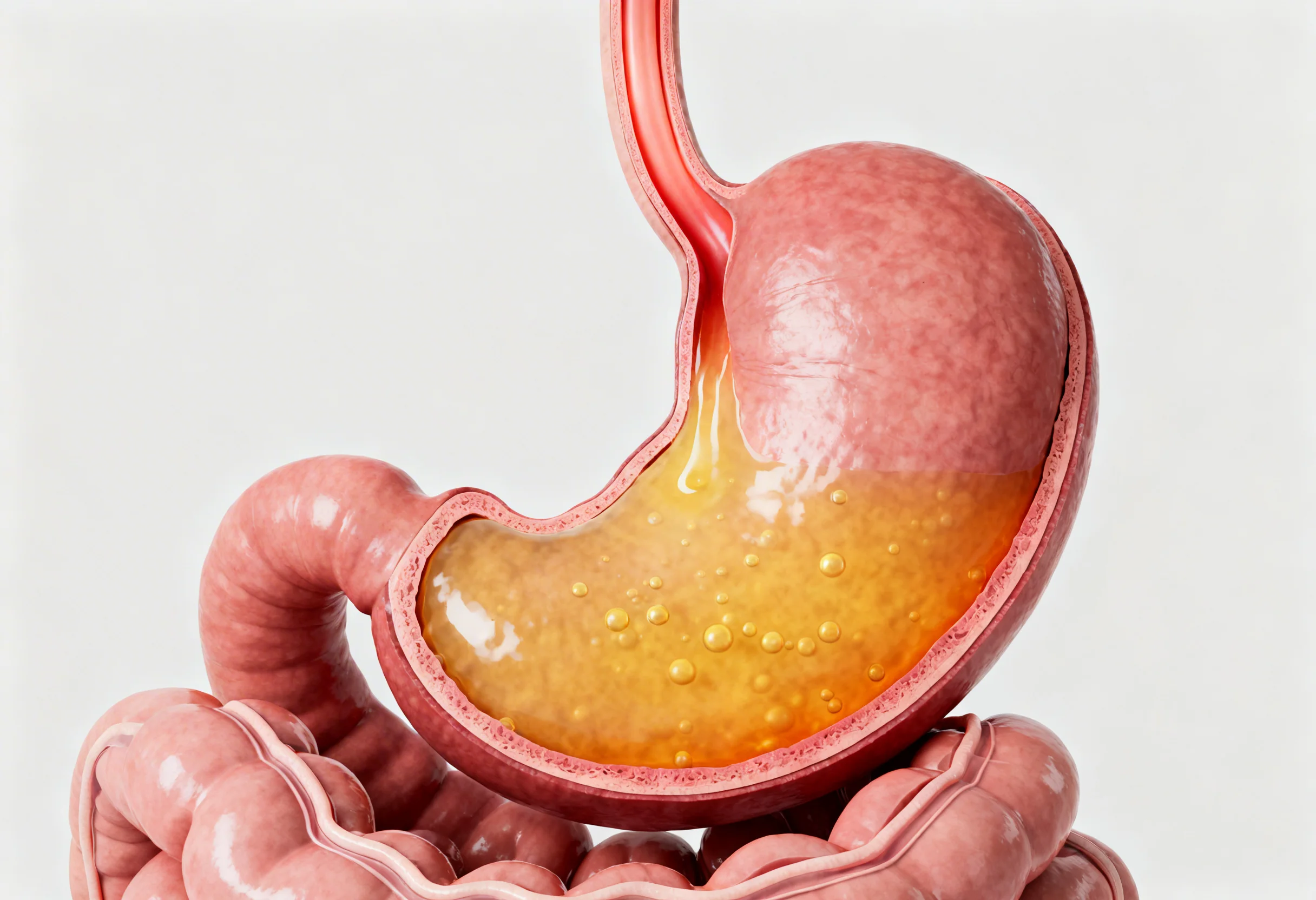
Acid reflux is one of the most common digestive complaints seen in urban India today. Many people casually refer to it as “acidity,” but medically it involves the backward flow of stomach acid into the esophagus. When this happens repeatedly, it can lead to chronic irritation and a condition called Gastroesophageal Reflux Disease, or GERD.
In cities like Bengaluru, changing food habits, late dinners, sedentary work culture, and rising obesity have significantly increased the number of people experiencing heartburn and gut irritation. While occasional reflux after a heavy meal is common, frequent episodes require proper medical evaluation.
This guide explains what acid reflux really means, why it happens, common causes in India, warning signs, and modern treatment options.
What Is Acid Reflux?
Acid reflux occurs when stomach contents flow backward into the esophagus. The esophagus is the tube that carries food from your mouth to your stomach. At the lower end of this tube is a muscular valve called the lower esophageal sphincter, or LES.
Normally, the LES:
Opens to allow food into the stomach
Closes immediately to prevent backflow
When the LES weakens or relaxes at the wrong time, acid from the stomach moves upward. This acid irritates the lining of the esophagus, which is not designed to tolerate such low pH levels.
This irritation produces the classic burning sensation known as heartburn.
Acid Reflux vs GERD - What Is the Difference?
Not every episode of reflux is a disease.
Occasional reflux:
Happens after heavy meals
Clears quickly
Does not damage tissue
GERD:
Occurs two or more times per week
Interferes with daily life
May cause inflammation or complications
If acid exposure persists over time, it can lead to:
Esophagitis
Narrowing of the esophagus
Barrett’s esophagus
Increased cancer risk
This is why persistent symptoms should not be ignored.
Why Acid Reflux Is Increasing in Urban India
Several lifestyle changes are contributing to rising GERD prevalence in cities like Bengaluru, Delhi, and Mumbai.
Late-night eating
Dinner within 2 to 3 hours of sleep increases the risk of nocturnal reflux.
Sedentary work culture
Long hours of sitting increase abdominal pressure and slow digestion.
Rising obesity
Abdominal fat increases pressure on the stomach, pushing acid upward.
Westernized diet patterns
Frequent consumption of:
Fast food
Fried snacks
Processed meals
Carbonated beverages
All contribute to lower LES pressure and delayed gastric emptying.
Specialist gastroenterology programs such as those at GutHealthDoctor and Arka Anugraha Hospital often see a direct link between lifestyle changes and chronic reflux symptoms.
What Causes Acid Reflux?
Acid reflux is rarely caused by a single factor. It usually results from a combination of structural, physiological, and dietary triggers.
1. Weak Lower Esophageal Sphincter
Transient relaxations of the LES allow acid backflow even without swallowing.
2. Hiatal Hernia
When part of the stomach bulges through the diaphragm, the natural support system for the LES weakens.
3. Abdominal Obesity
Excess weight increases intra-abdominal pressure.
4. Delayed Gastric Emptying
When food stays in the stomach longer than normal, pressure builds up.
5. Pregnancy
Hormonal relaxation of muscles plus increased abdominal pressure commonly trigger reflux.
Indian Dietary Triggers for Heartburn
Certain food habits common in India increase reflux risk.
Spicy gravies and chili-heavy dishes
Capsaicin can irritate the esophageal lining.
Deep-fried foods
High fat slows gastric emptying.
Tea and coffee
Caffeine reduces LES pressure.
Carbonated drinks
Gas distension increases reflux risk.
Excess citrus and tomato-based curries
High acidity can aggravate symptoms.
Reflux diet tips often involve identifying personal triggers rather than eliminating all spices permanently.
Common Symptoms of GERD
Typical symptoms include:
Burning chest sensation after meals
Sour taste in mouth
Regurgitation of food or liquid
Difficulty swallowing
Upper abdominal discomfort
Excess belching
Silent Reflux - When There Is No Heartburn
Some patients experience extraesophageal symptoms without classic heartburn.
These may include:
Chronic cough
Hoarseness
Frequent throat clearing
Asthma worsening
Dental enamel erosion
This is called Laryngopharyngeal Reflux, or silent reflux.
Red Flag Symptoms - Seek Urgent Care
Immediate evaluation is required if you experience:
Unintentional weight loss
Persistent vomiting
Vomiting blood
Black stools
Severe difficulty swallowing
Iron deficiency anemia
These may indicate serious complications.
How Acid Reflux Is Diagnosed
Step 1 – Clinical assessment
Your doctor evaluates:
Frequency of symptoms
Food triggers
Lifestyle habits
Medication history
Step 2 – PPI trial
An 8-week proton pump inhibitor course may be prescribed.
Step 3 – Advanced diagnostics
If symptoms persist or red flags are present, tests may include:
Upper GI Endoscopy
Visualizes inflammation or Barrett’s changes.
24-hour pH monitoring
Measures acid exposure.
High-resolution manometry
Evaluates esophageal muscle coordination.
These tests are available in structured GI centers including GutHealthDoctor and tertiary hospitals like Arka Anugraha Hospital in Bengaluru.
Treatment Options for Acid Reflux
Treatment depends on severity.
1. Lifestyle Modifications – First Line
These form the foundation of reflux treatment.
Lose excess weight
Avoid lying down within 3 hours of meals
Elevate head of bed 6 to 9 inches
Reduce fried and processed foods
Stop smoking
Limit alcohol
Eat smaller frequent meals
2. Medications Antacids
Provide quick relief but short duration.
H2 blockers
Reduce acid production for moderate symptoms.
Proton pump inhibitors
Most effective for healing esophagitis. Best taken 30 to 60 minutes before breakfast.
Long-term use should be supervised by a specialist.
3. Surgical and Procedural Options
For patients not responding to medication:
Laparoscopic fundoplication
Creates a stronger valve mechanism.
LINX magnetic device
Supports LES closure.
Endoscopic fundoplication
Minimally invasive repair.
These are considered when objective testing confirms significant reflux.
When to See a Specialist
Consult a gastroenterologist if:
Symptoms occur more than twice per week
Medication is required daily
Sleep is disturbed
Red flags are present
You want long-term management rather than temporary relief
Dr. Gaurang Ramesh at GutHealthDoctor follows an integrative reflux evaluation approach, combining conventional testing with functional gut assessment when needed.
Early consultation prevents complications and reduces long-term medication dependence.
What to Expect During Consultation
During your first visit:
Detailed symptom mapping
Dietary pattern review
BMI and abdominal assessment
Medication evaluation
Decision on diagnostic testing
A personalized reflux management roadmap is created, focusing on sustainable recovery rather than short-term suppression.
Preventing Recurrence of Acid Reflux
Long-term prevention requires:
Regular meal timing
Maintaining healthy weight
Avoiding heavy late dinners
Managing stress
Supporting gut motility
Practicing diaphragmatic breathing
In many patients, a combination of lifestyle change and structured medical supervision provides long-term remission
FAQs
What is the difference between acid reflux and heartburn? Acid reflux is the backward flow of stomach contents. Heartburn is the burning sensation caused by that flow.
Can acid reflux cause chest pain? Yes. However, severe or crushing chest pain must always be evaluated for heart disease first.
Is GERD permanent? With proper lifestyle modification and treatment, many patients achieve long-term remission.
Why is reflux worse at night? Lying flat removes gravity support and reduces saliva production.
Can obesity cause GERD? Yes. Increased abdominal pressure weakens the LES.
Is drinking water helpful? Small sips may help clear acid, but large volumes during meals may worsen distension.
What is Barrett’s esophagus? A precancerous change in the esophageal lining due to chronic acid exposure.
Do spicy Indian foods always cause reflux?
Not everyone. Triggers are individual and should be identified systematically.
Dr. Gaurang Ramesh
Surgical Gastroenterologist, Functional and Integrative Medicine Practitioner
Expert Landscapers
Lorem ipsum dolor sit amet, consectetur adipiscing elit.
Free Consultation
Lorem ipsum dolor sit amet, consectetur adipiscing elit.
Licensed Company
Lorem ipsum dolor sit amet, consectetur adipiscing elit.