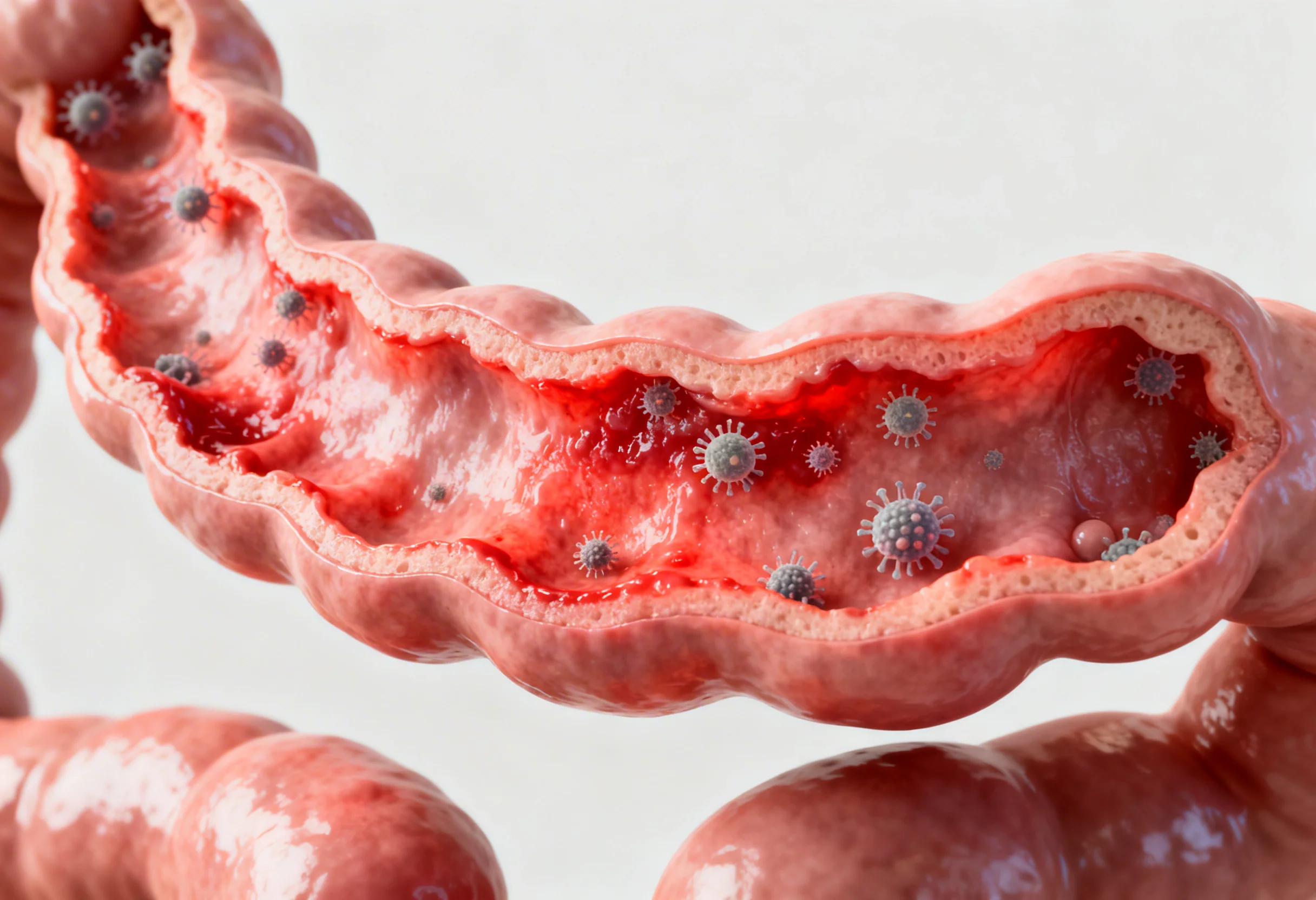
What Is Inflammation in the Gut? Early Signs You Shouldn’t Ignore
Gut inflammation is one of the most overlooked health issues in modern India. Many patients experience persistent bloating, fatigue, loose stools, food intolerance, or unexplained skin flare-ups without realizing that the root problem may be chronic inflammation in the gut lining.
Inflammation inside the gastrointestinal tract is not always dramatic. In early stages, it can be subtle and easily dismissed as “acidity,” “IBS,” or simple digestive weakness. However, when left unchecked, chronic gut irritation can progress into more serious conditions such as Inflammatory Bowel Disease, autoimmune disorders, or long-term nutrient deficiencies.
In cities like Bengaluru, changing food patterns, antibiotic overuse, stress-heavy work culture, and processed diets are contributing to a rise in inflammatory gut conditions. Early evaluation can prevent structural damage and long-term complications.
What Does Gut Inflammation Actually Mean?
Inflammation is the immune system’s protective response. In the gut, it occurs when the intestinal lining detects harmful bacteria, toxins, undigested food particles, or infections.
Acute inflammation is normal. For example:
During a stomach infection
After food poisoning
Following injury
However, chronic gut inflammation occurs when the immune system remains activated for months or years. Instead of protecting the body, it begins damaging the intestinal barrier itself.
This ongoing immune activation can lead to:
Increased intestinal permeability
Disruption of tight junction proteins
Systemic inflammation
Altered gut-brain signaling
This is often referred to in research as increased intestinal permeability, commonly called “leaky gut.”
Understanding the Intestinal Barrier
The intestinal lining is only one cell thick, yet it performs a highly complex job.
It must:
Absorb nutrients
Block pathogens
Regulate immune activity
Maintain microbiome balance
Key components include:
Mucus layer that prevents bacterial contact
Tight junction proteins that regulate permeability
When this barrier weakens, bacteria and toxins enter deeper tissues, triggering inflammation.
Why Does the Gut Become Inflamed?
Gut inflammation rarely has a single cause. It usually results from multiple stressors acting together.
1. Processed and Ultra-Refined Diets
Diets high in:
Refined sugar
Processed oils
Emulsifiers
Chemical additives
can disrupt tight junction integrity and alter microbiome diversity.
2. Chronic Stress
Stress activates the sympathetic nervous system and increases cortisol levels. This reduces blood flow to the gut and slows mucosal repair. Over time, stress contributes to chronic gut irritation through the gut-brain axis.
Frequent use of painkillers such as ibuprofen can directly damage the intestinal epithelium.
5. Infections
Past bacterial or parasitic infections can leave behind a hyper-reactive immune response.
6. Genetic Susceptibility
Conditions like Crohn’s disease and Ulcerative Colitis have genetic components, though environmental triggers often determine activation.
Early Signs of Gut Inflammation You Should Not Ignore
Many patients overlook early symptoms.
Persistent bloating
Chronic bloating not relieved by dietary adjustments may indicate mucosal irritation or SIBO.
Diarrhea lasting more than 4 weeks
Long-standing loose stools require evaluation.
Blood or mucus in stool
This is a red flag and should never be ignored.
Abdominal cramping
Especially if it worsens after eating.
Unexplained fatigue
Inflammatory cytokines can cause systemic tiredness.
Brain fog
Linked to gut-brain axis disruption.
Skin flare-ups
Acne, eczema, or psoriasis may correlate with gut inflammation.
Joint pain
Inflammation can manifest outside the gut.
If symptoms persist beyond a few weeks, structured evaluation is recommended.
Functional Irritation vs Inflammatory Bowel Disease
Not all digestive symptoms indicate structural disease.
Functional disorders like IBS involve:
Altered gut sensitivity
No structural damage
Normal inflammatory markers
Inflammatory Bowel Disease involves:
Visible mucosal inflammation
Ulcers or erosions
Elevated inflammatory markers
Possible complications
Differentiating between these requires objective testing.
How Gut Inflammation Is Diagnosed
Step 1: Clinical history
Doctors assess:
Symptom timeline
Diet
Travel history
Medication use
Stress levels
Step 2: Blood tests
Evaluate:
CRP and ESR
Hemoglobin
Iron
Vitamin B12
Vitamin D
Step 3: Fecal calprotectin
This stool marker helps distinguish inflammatory disease from IBS.
Low levels suggest functional issues. High levels indicate organic inflammation.
Step 4: Endoscopy and colonoscopy
Visualize the lining and allow biopsy confirmation.
Step 5: Imaging
CT enterography or MR enterography helps evaluate small intestine involvement.
Advanced evaluation is available in structured GI programs including GutHealthDoctor and at Arka Anugraha Hospital in Bengaluru.
Dr. Gaurang Ramesh integrates both conventional and functional assessment strategies when appropriate.
The 5R Approach to Gut Healing
Many patients benefit from structured mucosal healing strategies.
1. Remove
Eliminate:
Trigger foods
Pathogens
Environmental toxins
2. Replace
Support digestion using:
Enzymes
Acid support when indicated
Nutrient replenishment
3. Reinoculate
Restore beneficial bacteria through:
Probiotics
Prebiotic fibers
Fermented foods
4. Repair
Support epithelial regeneration with:
L-glutamine
Zinc
Omega-3 fatty acids
Anti-inflammatory botanicals
5. Rebalance
Address:
Stress
Sleep
Circadian rhythm
Physical activity
This step is essential for long-term remission.
Medical Management for Confirmed IBD
When structural inflammation is confirmed:
Aminosalicylates reduce mucosal inflammation
Biologics target immune pathways
JAK inhibitors provide oral alternatives
Antibiotics are used in specific cases
Surgical options are available for complications such as strictures or fistulas.
Arka Anugraha Hospital provides advanced laparoscopic and minimally invasive surgical care when required.
Anti-Inflammatory Foods in the Indian Kitchen
Indian cuisine contains powerful anti-inflammatory ingredients.
Turmeric
Curcumin supports tight junction integrity.
Ginger
Improves motility and reduces cytokine signaling.
Amla
Rich in Vitamin C and antioxidants.
Cumin
Supports digestion and bile flow.
Fenugreek
May support microbiome balance.
Pair turmeric with black pepper to enhance absorption.
When to See a Specialist
Consult a gastroenterologist if:
Symptoms last more than 4 weeks
Blood or mucus appears in stool
Weight loss occurs
Fatigue is persistent
Family history of IBD exists
Daily life is affected
Early intervention improves outcomes and reduces risk of complications.
GutHealthDoctor and Arka Anugraha Hospital provide structured evaluation programs in South Bengaluru for patients seeking root-cause assessment.
Long-Term Prevention
Maintaining gut resilience requires:
Diverse plant-rich diet
Reduced processed food intake
Limited NSAID use
Stress management
Adequate sleep
Moderate exercise
Gut inflammation is reversible in many early-stage cases when addressed systematically.
Conclusion
Inflammation in the gut is not just a digestive issue. It is an immune condition with systemic implications. Early signs such as bloating, fatigue, and bowel irregularity should not be ignored.
With structured diagnostics, integrative management, and lifestyle correction, long-term mucosal healing is achievable.
If symptoms persist, timely consultation helps prevent progression to chronic inflammatory disease.
FAQs
What is the main cause of gut inflammation? Common causes include processed diets, stress, infections, NSAID use, and microbiome imbalance.
Can gut inflammation cause fatigue? Yes. Inflammatory cytokines can lead to systemic tiredness and anemia.
Is leaky gut medically recognized? It is referred to as increased intestinal permeability in medical research.
How does fecal calprotectin help? It distinguishes inflammatory bowel disease from IBS.
Can probiotics help? Yes, but strain selection should be personalized.
Should I stop fiber during inflammation? Only during severe flare or strictures. Otherwise fiber supports healing.
Can stress worsen gut inflammation? Yes. Stress disrupts barrier integrity and immune regulation.
Is IBD curable? IBD is chronic but long-term remission is achievable with proper management
Dr. Gaurang Ramesh
Surgical Gastroenterologist, Functional and Integrative Medicine Practitioner
Expert Landscapers
Lorem ipsum dolor sit amet, consectetur adipiscing elit.
Free Consultation
Lorem ipsum dolor sit amet, consectetur adipiscing elit.
Licensed Company
Lorem ipsum dolor sit amet, consectetur adipiscing elit.