How Gut Dysbiosis Impacts Your Immune System and Increases Disease Risk
Our gut is home to trillions of microorganisms, collectively known as the gut microbiome. These bacteria, viruses, fungi, and other microbes play a crucial role in our overall health, impacting everything from digestion to immune function. When this delicate microbial balance is disrupted, a condition called gut dysbiosis occurs. This imbalance has far-reaching effects on the immune system, increasing the risk of various chronic conditions, including autoimmune diseases, metabolic disorders, and even neurological problems. In this blog, we will explore what gut dysbiosis is, its symptoms, causes, and how it affects the immune system. Additionally, we’ll discuss the latest diagnostic methods and treatments available, focusing on integrative approaches at Arka Anugraha Hospital.
What is Gut Dysbiosis?
The gut microbiome refers to the community of microbes living in our gastrointestinal (GI) tract. Under normal conditions, this ecosystem is in a state of balance, where beneficial microbes outnumber harmful ones. This balanced state is known as eubiosis. In this state, the gut microbiome helps with vital functions such as nutrient absorption, the production of essential vitamins, and the regulation of immune responses.
However, when this balance is disturbed, the result is gut dysbiosis. This condition is marked by a reduction in microbial diversity, the overgrowth of harmful microbes, and the depletion of protective bacteria. Dysbiosis is often linked to various health issues, as the microbiome plays an integral role in maintaining the health of the gut lining, immune function, and systemic health.
Symptoms of Gut Dysbiosis
Gut dysbiosis manifests in a variety of symptoms that may not always be linked directly to the digestive system. Below are some common signs of dysbiosis:
Gastrointestinal Symptoms:
Persistent bloating and gas
Diarrhea or constipation (or alternating between the two)
Immune/Inflammatory: Increased susceptibility to infections, joint pain, muscle aches
Dermatological: Rashes, acne, eczema, psoriasis that flare up during digestive distress.
Metabolic: Sugar cravings, weight gain, fatigue, difficulty losing weight
Causes of Gut Dysbiosis
Various factors contribute to the development of gut dysbiosis, some of which are controllable through lifestyle changes. The primary causes include:
Poor Diet:
Diets high in refined sugars and low in fiber encourage the growth of harmful microbes.
A lack of fermented foods and fiber can also starve beneficial bacteria, contributing to dysbiosis.
Antibiotics and Medications:
Broad-spectrum antibiotics, while essential for treating infections, can indiscriminately kill beneficial bacteria, disrupting microbial diversity.
Stress:
Chronic stress can negatively affect the gut microbiome by increasing intestinal permeability and altering microbial composition. This, in turn, can lead to a weakened immune system.
Environmental Toxins:
Exposure to chemicals, pollutants, and other environmental stressors can interfere with the gut microbiome’s function and integrity.
Lack of Physical Activity:
Regular exercise promotes a healthy microbiome, whereas a sedentary lifestyle can exacerbate dysbiosis.
How Gut Dysbiosis Affects the Immune System
The gut is home to approximately 70–80% of the body’s immune system, primarily through the gut-associated lymphoid tissue (GALT). The GALT plays a critical role in regulating immune responses, and its function is influenced by the gut microbiome. When dysbiosis occurs, it can disrupt this immune system regulation, leading to:
Increased Inflammation:
Gut dysbiosis promotes the production of pro-inflammatory cytokines, which can lead to chronic inflammation throughout the body. This chronic low-grade inflammation is linked to various diseases, including autoimmune conditions such as rheumatoid arthritis, multiple sclerosis, and type 1 diabetes.
Compromised Intestinal Barrier:
The intestinal barrier, which normally keeps harmful substances from entering the bloodstream, can become “leaky” when dysbiosis is present. This increases intestinal permeability, allowing microbial components like lipopolysaccharides (LPS) to enter the bloodstream and trigger systemic immune responses.
Immune System Imbalance:
Dysbiosis can impair the immune system’s ability to differentiate between harmful pathogens and the body’s own tissues. This loss of immune tolerance can lead to autoimmune diseases, where the immune system mistakenly attacks healthy cells.
Diagnosis and Tests for Gut Dysbiosis
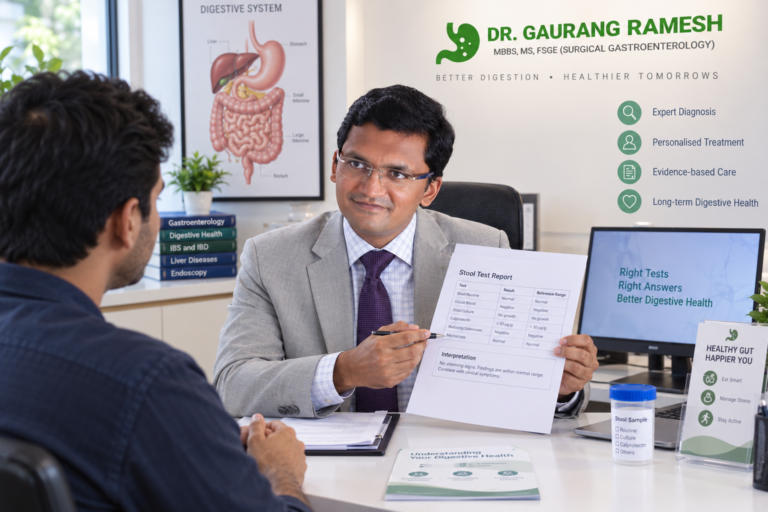
Diagnosing gut dysbiosis requires a detailed analysis of the gut microbiome, as conventional stool tests often fail to capture the full complexity of the microbial ecosystem. Arka Anugraha Hospital uses advanced DNA-based GI mapping to identify imbalances in the gut microbiome. This method, known as quantitative polymerase chain reaction (qPCR), allows for a more accurate assessment of the microbial species present and their relative abundance.
Unlike traditional tests, which only identify a small portion of the gut’s microbiota, qPCR provides a comprehensive view, detecting hundreds of bacterial species, including beneficial strains, opportunistic overgrowths, and markers of inflammation.
Treatment for Gut Dysbiosis
The treatment of gut dysbiosis typically involves a multi-step approach to restore balance within the gut microbiome and support overall health. At Arka Anugraha Hospital, we follow the evidence-based 5R Restoration Protocol:
Remove: Eliminate factors that disrupt the gut, such as harmful pathogens (bacteria, fungi, parasites), inflammatory foods, and food sensitivities.
Replace: Support digestion by adding necessary digestive enzymes, bile salts, and stomach acid to improve nutrient breakdown and absorption.
Reinoculate: Introduce high-quality probiotics and prebiotic fibers tailored to the individual’s dysbiosis pattern, helping to restore healthy microbial balance.
Repair: Focus on healing the intestinal lining with nutrients like L-glutamine, zinc, and omega-3 fatty acids to strengthen tight junctions and promote mucosal regeneration.
Rebalance: Long-term wellness is sustained through lifestyle optimization, including stress management, better sleep quality, and a diverse, fiber-rich diet.
When to See a Doctor
If you experience any of the symptoms listed above, especially if they persist or worsen, it’s crucial to consult with a healthcare professional. At Arka Anugraha Hospital, Dr. Gaurang Ramesh specializes in gut health and can guide you through the process of diagnosing and treating gut dysbiosis with a comprehensive, integrative approach.
Conclusion
Gut dysbiosis is a condition that affects not only the digestive system but also the immune system and overall health. By understanding the causes, symptoms, and treatment options available, you can take steps to restore balance in your gut and improve your quality of life. If you’re experiencing symptoms of gut dysbiosis, don’t hesitate to consult with Dr. Gaurang Ramesh at Arka Anugraha Hospital for a personalized treatment plan.
Book your consultation today and take the first step towards better gut health and overall wellness.
FAQs
What is the difference between a normal stool test and functional GI mapping? A conventional stool test screens for pathogens using culture-based methods, but it misses up to 90% of microbial species. Functional GI mapping, like the qPCR test at Arka Anugraha Hospital, uses advanced DNA technology to analyze the entire gut microbiome, offering a more detailed and accurate diagnosis.
Can gut dysbiosis cause symptoms even if I don’t have stomach pain? Yes, gut dysbiosis can cause systemic symptoms such as brain fog, fatigue, skin rashes, and joint discomfort, even without digestive distress.
How long does it take to repair a “leaky gut” and restore microbial balance? The timeline varies, but most people see improvements within weeks, with full restoration typically requiring 3–6 months of targeted care.
Can poor gut health lead to autoimmune conditions? Yes, gut dysbiosis can trigger autoimmune diseases through mechanisms like molecular mimicry, where the immune system mistakenly attacks the body’s own tissues.
Why is Dr. Gaurang Ramesh’s approach considered integrative? Dr. Ramesh combines traditional gastroenterology with functional medicine, addressing the root cause of gut issues and using advanced diagnostics to treat the whole person.
Does stress affect gut health? Yes, chronic stress can disrupt the gut microbiome and increase intestinal permeability, leading to dysbiosis.
Are probiotics alone enough to treat gut dysbiosis? While probiotics are important, they are rarely enough on their own. The full 5R approach is necessary for effective treatment.
What foods should I avoid to prevent gut dysbiosis? Avoid foods that promote inflammation and feed harmful bacteria, such as refined sugars, processed foods, and alcohol.
Dr. Gaurang Ramesh
Surgical Gastroenterologist, Functional and Integrative Medicine Practitioner
Expert Landscapers
Lorem ipsum dolor sit amet, consectetur adipiscing elit.
Free Consultation
Lorem ipsum dolor sit amet, consectetur adipiscing elit.
Licensed Company
Lorem ipsum dolor sit amet, consectetur adipiscing elit.