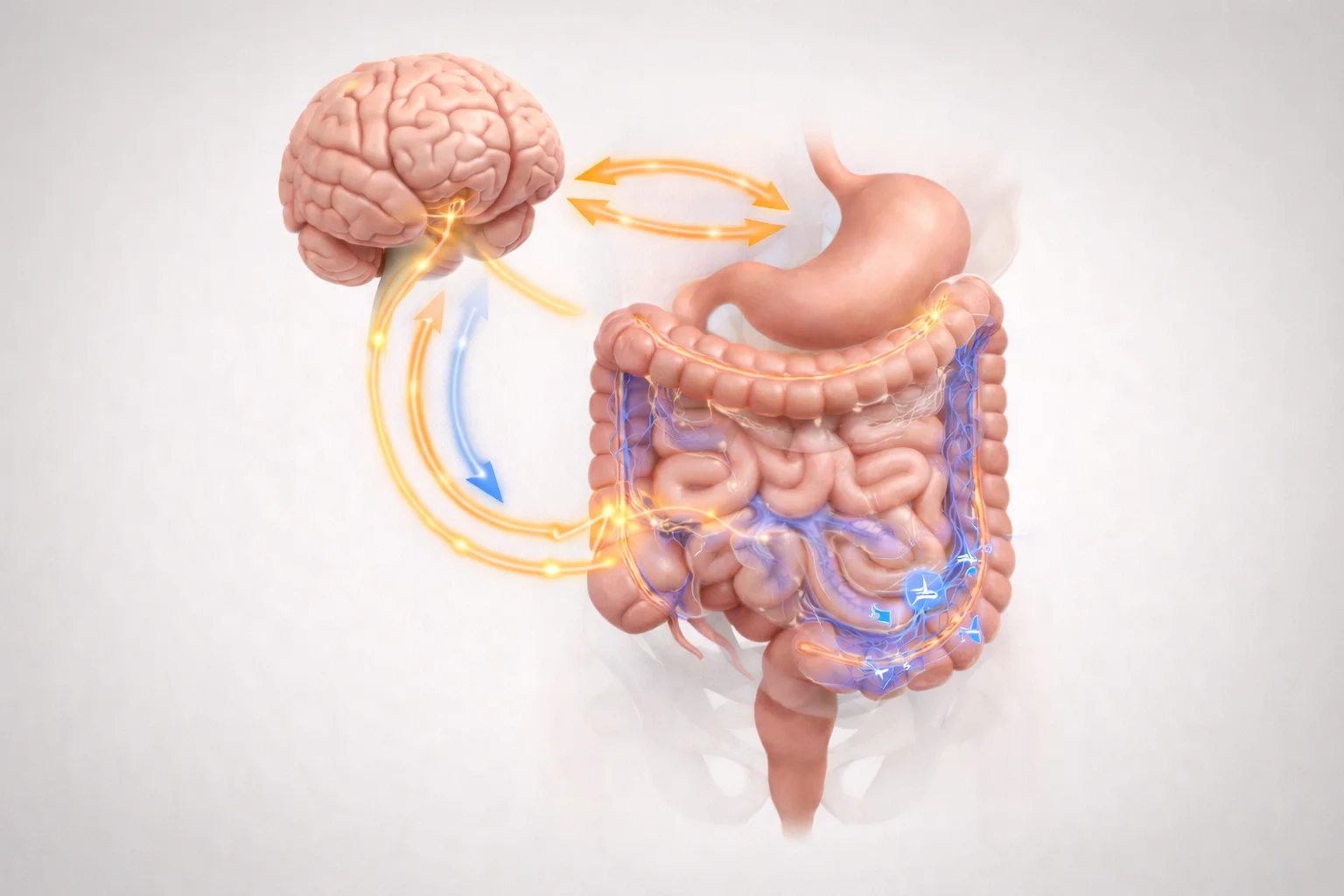
What Is the Enteric Nervous System? Your Body’s “Second Brain” Explained
Introduction: The Hidden Brain Inside Your Gut
Most people think digestion is controlled only by the brain. In reality, your gut has its own nervous system called the Enteric Nervous System (ENS). This is why doctors often call it your body’s “second brain.”
The enteric nervous system contains approximately 200 to 600 million neurons, almost as many as the spinal cord. It controls digestion, nutrient absorption, gut motility, and even influences your mood.
For many patients in Bengaluru and across India who experience chronic bloating, constipation, IBS, acidity, or unexplained abdominal pain, the root cause may not be just food. It may be a dysfunction of the digestive nervous system itself.
At Arka Anugraha Hospital, Dr Gaurang Ramesh integrates conventional gastroenterology with functional medicine to evaluate how this gut-brain connection may be contributing to persistent symptoms.
What Exactly Is the Enteric Nervous System?
The enteric nervous system is a vast network of nerves embedded within the walls of your gastrointestinal tract. It runs from the esophagus to the rectum.
Unlike other organ systems, the gut can function independently of the brain. Even if communication with the brain is interrupted, digestion continues.
Two Major Plexuses of the ENS
The ENS is organized into two main nerve networks:
1. Myenteric Plexus
Located between muscle layers of the gut wall
Controls gut motility
Regulates peristalsis
Coordinates movement of food
2. Submucosal Plexus
Located beneath the inner lining of the intestine
Regulates digestive secretions
Controls blood flow
Manages fluid balance
These two systems work together to ensure smooth digestion.
Why Is It Called the “Second Brain”?
The term became popular because:
It uses the same neurotransmitters as the brain
It can operate independently
It influences emotions
It produces about 90 percent of the body’s serotonin
Yes, most of your serotonin is produced in the gut, not the brain.
This explains why stress can cause diarrhea, constipation, or stomach pain. The gut-brain axis is a two-way communication system involving the vagus nerve, immune system, and microbiome.
How the Gut-Brain Axis Works
The vagus nerve connects your brain and gut. Signals constantly travel in both directions.
When you feel stressed:
Cortisol increases
Gut motility changes
Intestinal permeability increases
Pain sensitivity rises
When your gut is inflamed:
Immune signals reach the brain
Anxiety may worsen
Brain fog may occur
This is why patients with IBS often experience anxiety and vice versa.
What Happens When the Enteric Nervous System Malfunctions?
When the ENS becomes dysregulated, it may lead to Disorders of Gut-Brain Interaction (DGBI) such as:
Irritable Bowel Syndrome
Functional Dyspepsia
Gastroparesis
Chronic Constipation
Visceral Hypersensitivity
Common symptoms include:
Persistent bloating
Early fullness after eating
Abdominal cramping
Alternating constipation and diarrhea
Sensitivity to normal gas movement
Many patients in South Bengaluru searching for “IBS specialist near me” or “chronic bloating treatment” may actually be experiencing enteric nervous system dysfunction.
Causes of Enteric Nervous System Dysfunction
1. Post-Infectious IBS
After food poisoning or viral gastroenteritis, some patients develop long-term nerve sensitivity in the gut.
2. Gut Microbiome Imbalance
Dysbiosis alters chemical signals between bacteria and nerves. Reduced short-chain fatty acids like butyrate affect neuronal health.
3. Diabetes
Chronic high blood sugar damages autonomic nerves, leading to gastroparesis.
4. Chronic Stress
Persistent activation of the HPA axis increases intestinal permeability and nerve hypersensitivity.
5. Neurodegenerative Conditions
Emerging research suggests Parkinson’s disease may show early signs in the enteric nervous system before motor symptoms appear.
Red Flag Symptoms That Require Immediate Evaluation
Not all gut symptoms are functional.
Seek consultation if you experience:
Unintentional weight loss
Persistent vomiting
Rectal bleeding
Iron deficiency anemia
Severe nocturnal pain
Sudden bowel habit change after age 50
In such cases, advanced evaluation is essential to rule out structural disease.
How Is the Enteric Nervous System Evaluated?
Because the ENS cannot be seen on routine scans, specialized functional tests are required.
Gastric Emptying Study
Measures how fast food leaves the stomach.
Smart Capsule Motility Testing
Tracks transit time, pressure, and pH throughout the gut.
Ano-Rectal Manometry
Evaluates muscle and nerve coordination for chronic constipation.
Hydrogen Breath Testing
Diagnoses SIBO and carbohydrate intolerance.
At Arka Anugraha Hospital, access to hospital-based diagnostics allows comprehensive mapping of gut motility and function.
Treatment: Restoring the “Second Brain”
Management focuses on calming the nervous system and restoring gut balance.
1. Neuromodulators
Low-dose medications help reduce visceral hypersensitivity.
2. Prokinetics
Stimulate coordinated gut movement in motility disorders.
3. Microbiome Restoration
Prebiotics and probiotics support nerve signaling.
4. The 5R Approach
Dr Gaurang Ramesh often uses a structured model:
Remove irritants
Replace digestive support
Reinoculate beneficial bacteria
Repair gut lining
Rebalance stress response
This approach addresses root causes rather than suppressing symptoms.
If symptoms are affecting your quality of life, early consultation can prevent chronic nerve sensitization.
Indian Diet and the Enteric Nervous System
The 2024 ICMR-NIN guidelines recommend:
25 to 30 grams fiber daily
400 grams vegetables and fruits
At least 50 percent whole grains
Limited added sugars
Traditional Indian foods are naturally supportive of the gut nervous system.
Best Prebiotic Foods in India
Food
Benefit
Raw banana
Resistant starch for colon nerves
Garlic and onion
Inulin supports beneficial bacteria
Millets like ragi and jowar
Improve microbial diversity
Bhindi and lauki
Soothe gut lining
Dahi
Supports microbiome balance
Small dietary changes can significantly support enteric health.
Stress Regulation and the Vagus Nerve
Because the ENS and brain are deeply connected, lifestyle matters.
Helpful strategies:
Deep breathing exercises
Regular physical activity
Adequate sleep
Limiting ultra-processed foods
Reducing digital overstimulation
These steps help shift the body from fight or flight into rest and digest mode.
When Should You See a Gastroenterologist?
Consider consultation if:
Symptoms persist beyond 3 months
You rely on daily laxatives
You experience bloating that affects work or sleep
Anxiety worsens with digestive symptoms
Personalized treatment planning can help restore balance before chronic pain pathways develop.
Conclusion
The enteric nervous system is not just a digestive regulator. It is a sophisticated neural network that influences mood, immunity, and metabolic health.
Chronic bloating, IBS, constipation, and functional dyspepsia are not “just in your head.” They often reflect miscommunication within the second brain.
For patients in Bengaluru and across India, combining evidence-based gastroenterology with personalized gut-brain care offers a more sustainable path to recovery.
If persistent symptoms are affecting your daily life, structured evaluation can provide clarity and targeted treatment options.
FAQs
1. What is the enteric nervous system?
It is a network of 200 to 600 million neurons embedded in the gut that independently controls digestion.
2. Why is it called the second brain?
Because it can function independently and uses similar neurotransmitters as the brain.
3. Can stress damage the gut nervous system?
Chronic stress increases gut permeability and nerve sensitivity.
4. What is visceral hypersensitivity?
It is when normal digestive movements cause exaggerated pain.
5. Can IBS be caused by ENS dysfunction?
Yes. Many IBS cases are linked to altered gut-brain signaling.
6. How much fiber do Indians need daily?
Approximately 25 to 30 grams per day according to ICMR guidelines.
7. Are probiotics enough to fix gut nerve problems?
Not always. Treatment may require motility correction and stress modulation.
8. When should I see a specialist?
If you experience red flag symptoms or chronic digestive distress lasting more than 3 months.
Dr. Gaurang Ramesh
Surgical Gastroenterologist, Functional and Integrative Medicine Practitioner
Expert Landscapers
Lorem ipsum dolor sit amet, consectetur adipiscing elit.
Free Consultation
Lorem ipsum dolor sit amet, consectetur adipiscing elit.
Licensed Company
Lorem ipsum dolor sit amet, consectetur adipiscing elit.