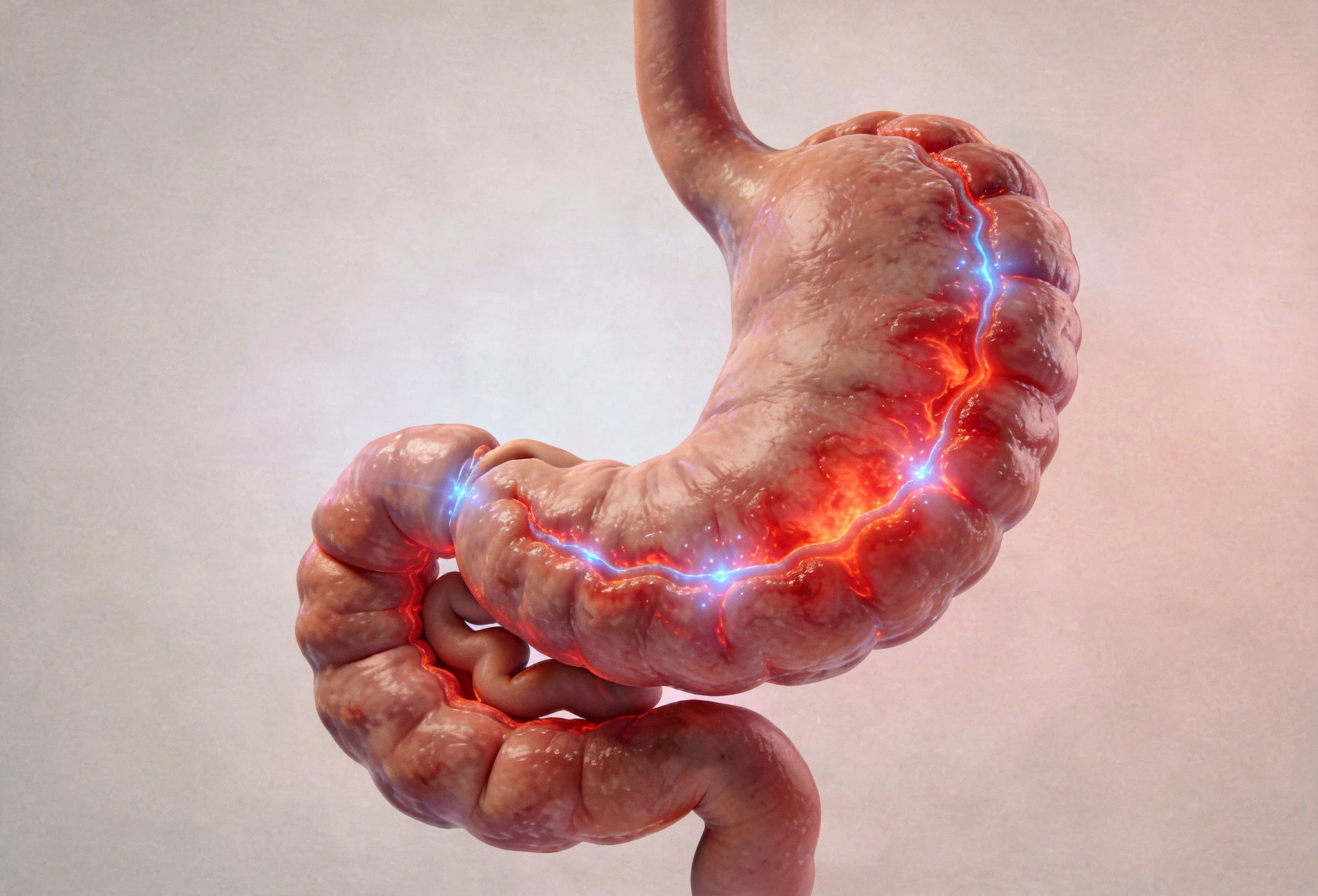
What Is Gut Inflammation and Its Role in Chronic Disease Development
Introduction
The gut is not just a vital organ for digestion; it acts as a crucial barrier between the external environment and our internal systems. Within the gastrointestinal (GI) tract, a complex relationship exists between the gut microbiota, the immune system, and the intestinal barrier. When this balance is disrupted, gut inflammation can occur, leading to a cascade of health problems. Chronic gut inflammation has been linked to a variety of systemic conditions, from cardiovascular disease to cognitive issues. In this blog, we will explore what gut inflammation is, how it develops, its symptoms, causes, and its profound role in chronic disease development. We’ll also discuss diagnostic methods and treatment options available at Arka Anugraha Hospital to address gut inflammation and promote overall health.
What is Gut Inflammation?
Gut inflammation occurs when the immune system is activated in response to threats in the digestive tract, such as infections, harmful substances, or imbalances in the gut microbiota. This inflammation can be either acute (temporary) or chronic. Chronic gut inflammation, which is less obvious and can develop gradually, is a significant contributor to various systemic diseases. It often results from intestinal permeability issues commonly known as leaky gut where the protective lining of the gut becomes damaged, allowing harmful substances to pass into the bloodstream.
The gut is home to a diverse community of microorganisms called the microbiota, which play a crucial role in maintaining health. These microbes help digest food, produce essential nutrients, and regulate the immune system. When the gut barrier is compromised, these microbes can enter the bloodstream, triggering an immune response that leads to inflammation.
Symptoms of Gut Inflammation
Gut inflammation doesn’t always show up as digestive symptoms. While some individuals experience direct abdominal discomfort, others may have more systemic issues that are harder to connect to the gut. Here are some common symptoms of gut inflammation:
Gastrointestinal Symptoms:
Abdominal bloating and discomfort
Diarrhea or constipation (or alternating between the two)
Acid reflux and indigestion
Foul-smelling stools and the presence of undigested food in the stool
Systemic Symptoms:
Fatigue: Unexplained tiredness that persists despite adequate rest, often driven by chronic immune activation.
Brain fog: Difficulty concentrating, memory problems, and mental “cloudiness” caused by neuroinflammation.
Joint pain: Achiness and stiffness that may fluctuate with diet or stress levels.
Skin issues: Rashes, acne, eczema, or psoriasis that worsen during gut flare-ups.
Food sensitivities: Increased sensitivity to certain foods that were previously tolerated.
Causes of Gut Inflammation
Gut inflammation can be triggered by several factors, both internal and external. Key causes include:
Poor Diet:
A diet high in processed sugars, unhealthy fats, and refined carbohydrates can foster microbial imbalances and promote intestinal inflammation. On the flip side, a lack of fiber-rich foods and fermented products can starve beneficial bacteria that help regulate inflammation.
Antibiotics and Medications:
While antibiotics are crucial for fighting infections, they can also disrupt the gut microbiome by eliminating both harmful and beneficial bacteria. Overuse of antibiotics contributes to microbial imbalances, which can lead to chronic inflammation.
Chronic Stress:
Prolonged stress leads to the release of cortisol, a hormone that affects gut permeability, often resulting in a “leaky gut.” Stress can trigger inflammation both locally in the gut and systemically throughout the body.
Environmental Toxins:
Exposure to pollutants, pesticides, heavy metals, and other toxins can irritate the gut lining, initiating an inflammatory response.
Sedentary Lifestyle:
A lack of regular physical activity can contribute to low microbial diversity and higher levels of systemic inflammation, which impacts gut health
How Gut Inflammation Affects the Body
When the gut barrier is compromised due to inflammation, harmful substances like lipopolysaccharides (LPS) can enter the bloodstream, triggering a systemic immune response. This can lead to a condition called metabolic endotoxemia, which is linked to chronic diseases such as:
Cardiovascular Disease: Chronic inflammation from a “leaky gut” can damage blood vessels, promoting atherosclerosis (the buildup of plaques in arteries). Additionally, gut bacteria metabolize certain nutrients into compounds like trimethylamine-N-oxide (TMAO), which have been associated with heart disease risk.
Metabolic Disorders and Obesity: LPS in the bloodstream interferes with insulin signaling and contributes to insulin resistance, which can eventually lead to type 2 diabetes. The inflammation also promotes the accumulation of visceral fat, increasing the risk of non-alcoholic fatty liver disease (NAFLD).
Neuroinflammation: Chronic gut inflammation is linked to neuroinflammation. This can impair cognitive function, leading to conditions such as brain fog, anxiety, depression, and Alzheimer’s disease. Gut-derived inflammatory markers can “leak” into the brain via the bloodstream, affecting neurotransmitter production and brain function.
Autoimmune Diseases: Chronic gut inflammation can trigger autoimmune responses through a process called molecular mimicry, where the immune system mistakenly attacks the body’s tissues due to their similarity to microbial components. This has been implicated in autoimmune conditions such as rheumatoid arthritis, multiple sclerosis, and type 1 diabetes.
Chronic Gut Inflammation and Disease Development
Chronic gut inflammation is a key factor in the development of many diseases, and its role in systemic health is profound. As gut inflammation persists, it can cause widespread damage, contributing to:
Cardiovascular issues such as high blood pressure, heart disease, and stroke.
Chronic fatigue syndrome, where constant immune activation leads to prolonged exhaustion.
Cognitive decline, including conditions like Alzheimer’s and Parkinson’s disease.
Skin conditions, such as eczema and psoriasis, triggered by systemic inflammation.
This persistent inflammation accelerates the development of chronic diseases and reduces the body’s capacity to heal itself, making early intervention crucial.
Diagnosis and Testing for Gut Inflammation
Diagnosing gut inflammation requires more than just looking at surface-level symptoms. At Arka Anugraha Hospital, we employ advanced functional diagnostics such as fecal calprotectin and zonulin tests, which are more accurate than standard lab tests in detecting early gut dysfunction. These tests assess gut permeability and inflammation levels, offering a clearer picture of the gut’s internal state.
We also use DNA-based microbial assessments like qPCR (quantitative polymerase chain reaction), which allows us to analyze the gut microbiome in detail, identifying both beneficial and harmful bacteria.
Treatment Options for Gut Inflammation
Treating gut inflammation requires a comprehensive approach. At Arka Anugraha Hospital, Dr. Gaurang Ramesh follows a holistic, systems-based approach to address the root causes of inflammation. One of the most effective treatment strategies we use is the 5R Protocol:
1. Remove: Eliminate inflammatory foods, toxins, and pathogens that contribute to gut dysfunction. 2. Replace: Restore digestive enzymes, stomach acid, and bile salts to support proper digestion. 3. Reinoculate: Reintroduce beneficial bacteria and prebiotics to restore the balance of the gut microbiome. 4. Repair: Heal the intestinal barrier with targeted nutrients such as L-glutamine, zinc, and omega-3 fatty acids. 5. Rebalance: Integrate long-term lifestyle changes, including stress management, quality sleep, and physical activity.
When to See a Doctor
If you experience symptoms like persistent fatigue, brain fog, digestive discomfort, or unexplained joint pain, it’s essential to seek medical attention. At Arka Anugraha Hospital, we offer personalized care to address gut inflammation and its impact on your overall health. Dr. Gaurang Ramesh can help guide you through diagnosis and treatment with a focus on restoring balance and improving quality of life.
Conclusion
Gut inflammation is a serious health issue that extends far beyond digestive discomfort. It plays a critical role in the development of many chronic conditions, from heart disease to autoimmune disorders and neuroinflammation. Early intervention is key to preventing long-term health problems. If you’re experiencing symptoms of gut inflammation, Arka Anugraha Hospital offers advanced diagnostic tools and holistic treatments to restore your gut health and improve your well-being.
Book your consultation today to start your journey toward better health and vitality.
Frequently Asked Questions (FAQs)
Can gut inflammation cause symptoms even if I don’t have stomach pain? Yes, gut inflammation can cause systemic symptoms such as fatigue, brain fog, joint pain, and skin rashes, even in the absence of digestive discomfort.
How do I know if my gut is inflamed if my blood tests are normal? Conventional blood tests often overlook early-stage dysfunction. At Arka Anugraha Hospital, we use advanced tests like fecal calprotectin and zonulin to assess gut inflammation more accurately.
Is it possible to completely heal chronic gut inflammation? While complete healing depends on the severity, using the 5R Protocol can significantly reduce inflammation and promote long-term gut health.
What are the most common triggers for a “leaky gut”? Common triggers include poor diet (high in sugar and processed foods), chronic stress, medications like NSAIDs, and microbial imbalances.
How does the gut affect brain health and mood? The gut and brain are connected through the gut-brain axis. Chronic gut inflammation can lead to neuroinflammation, affecting neurotransmitter production and leading to symptoms of anxiety, depression, and cognitive decline.
Can diet alone fix gut inflammation? Diet plays a crucial role, but for chronic gut inflammation, a comprehensive approach including diet, stress management, and targeted supplementation is required for healing.
Are probiotics helpful for everyone with gut issues? Probiotics are beneficial but must be used strategically. A personalized approach is essential, as certain conditions like SIBO may require specific strains or may worsen symptoms.
Why does Arka Anugraha Hospital use a systems-based approach? A systems-based approach helps address the root cause of gut inflammation, improving overall health rather than just managing individual symptoms.
Dr. Gaurang Ramesh
Surgical Gastroenterologist, Functional and Integrative Medicine Practitioner
Expert Landscapers
Lorem ipsum dolor sit amet, consectetur adipiscing elit.
Free Consultation
Lorem ipsum dolor sit amet, consectetur adipiscing elit.
Licensed Company
Lorem ipsum dolor sit amet, consectetur adipiscing elit.