The Gut-Liver Axis and Its Crucial Role in Metabolism
Introduction
The human body functions through a complex network of organ systems, but few connections are as integral to metabolic health as the gut-liver axis. This bidirectional communication system plays a central role in regulating immune responses, nutrient processing, and overall energy balance. When the gut and liver are in sync, they promote optimal metabolic health. However, disruptions to this axis, often due to factors like gut dysbiosis, sugar consumption, or chronic stress, can lead to systemic health issues, including insulin resistance, fatty liver disease, and chronic fatigue. In this blog, we will explore the critical connection between the gut and liver, how sugar affects both systems, and how maintaining a healthy gut-liver axis is essential for preventing metabolic disorders.
What is the Gut-Liver Axis?
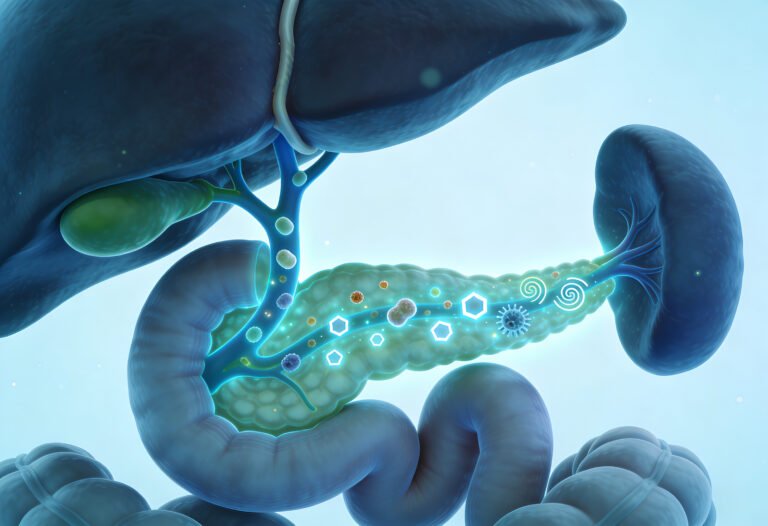
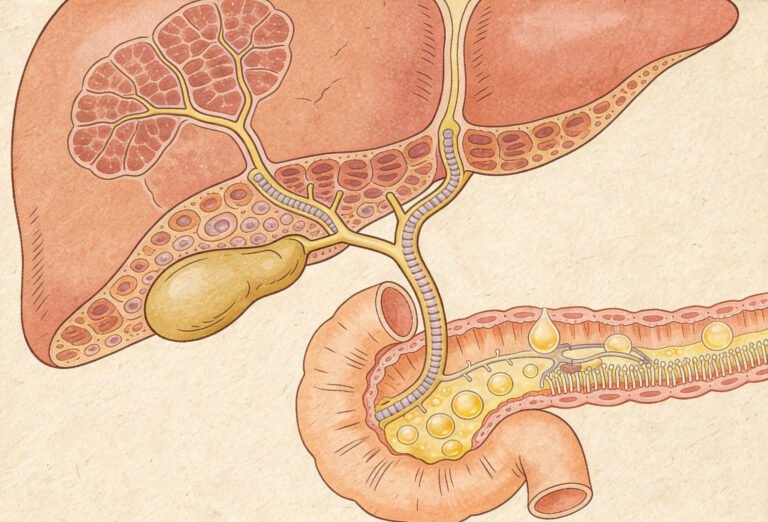
The gut-liver axis refers to the intimate relationship between the gastrointestinal (GI) tract and the liver. This connection is largely mediated through the portal venous system, a unique blood vessel that delivers nutrient-rich blood directly from the intestines to the liver. Approximately 75% of the blood entering the liver comes from the gut via the hepatic portal vein, carrying with it nutrients, microbial metabolites, and potential toxins that have passed through the intestinal barrier.
This anatomical arrangement ensures that the liver is the first to process everything absorbed from the digestive tract, including nutrients, harmful substances, and microbial products. This “first-pass” metabolism allows the liver to detoxify and store nutrients before they enter general circulation, playing a key role in immune regulation and metabolic balance.
The Role of the Liver in Digestive Health
The liver is essential for digestion, particularly in the production of bile, a digestive fluid that emulsifies fats in the small intestine. Bile aids in the absorption of fat-soluble vitamins like A, D, E, and K. Additionally, the liver helps regulate blood glucose levels by converting excess glucose into glycogen for storage, ensuring that blood sugar levels remain stable.
Beyond digestion, the liver acts as a metabolic refinery, processing fats, proteins, and carbohydrates to maintain energy balance. It also detoxifies harmful substances, neutralizing toxins and waste products that enter the bloodstream. The liver’s capacity to manage these complex metabolic processes is vital for overall health, making its role in digestion and metabolism indispensable.
How Sugar Disrupts Gut Health and Liver Function
Excessive sugar consumption, particularly from fructose and high-fructose corn syrup, has been shown to profoundly affect both the gut microbiome and liver function. The gut microbiome is a collection of trillions of bacteria, viruses, and fungi that play a crucial role in digestion, immune regulation, and overall health. However, when the diet is high in sugar, it disrupts this delicate balance, leading to a condition known as gut dysbiosis – an imbalance in the gut microbiome that favors the growth of harmful bacteria and pathogens.
When gut dysbiosis occurs, it weakens the intestinal barrier, increasing intestinal permeability (or leaky gut). This allows harmful bacteria, toxins, and metabolic byproducts like lipopolysaccharides (LPS) to pass into the bloodstream. Once LPS reaches the liver via the portal vein, it triggers an inflammatory response, leading to metabolic endotoxemia, a chronic low-grade inflammation that disrupts metabolic function and contributes to liver disease.
Moreover, the liver processes fructose more efficiently than glucose, converting it into fat via de novo lipogenesis. This can lead to fatty liver disease (NAFLD) and contribute to the development of insulin resistance.
Gut-Liver Axis and Metabolic Disorders
When the gut-liver axis is disrupted, it can result in several metabolic disorders, including:
Insulin Resistance and Type 2 Diabetes:
Chronic inflammation in the liver and gut, triggered by LPS and gut dysbiosis, interferes with insulin signaling pathways. Over time, this can lead to insulin resistance, a condition where cells become less responsive to insulin, eventually resulting in type 2 diabetes.
Non-Alcoholic Fatty Liver Disease (NAFLD):
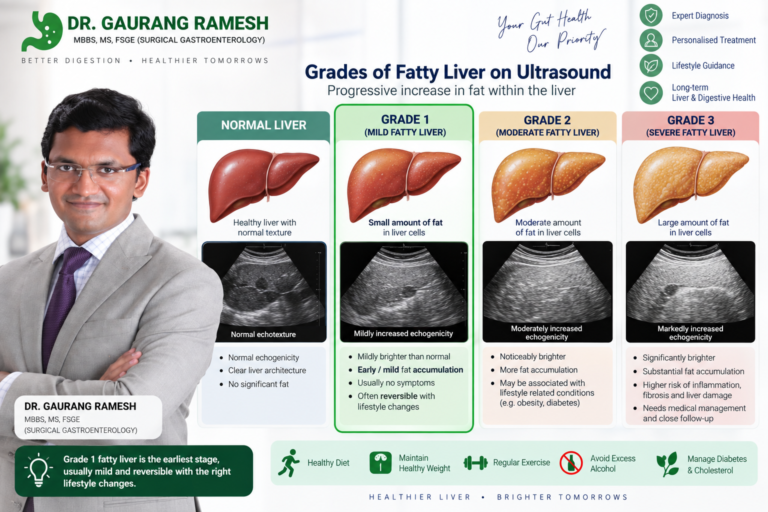
The liver’s role in metabolizing fructose can lead to excessive fat accumulation in the liver, contributing to NAFLD. This condition can progress to more severe liver damage, including steatohepatitis and liver fibrosis.
Obesity and Dyslipidemia:
Disruptions in the gut microbiome increase the body’s efficiency at extracting energy from food, contributing to obesity. The chronic inflammation from the gut-liver axis dysfunction also promotes the accumulation of fat in the liver and other organs, leading to dyslipidemia (abnormal lipid levels).
Cognitive Decline:
Inflammation in the gut can lead to neuroinflammation in the brain, contributing to symptoms like brain fog, memory loss, and cognitive decline. The gut-brain axis is a critical pathway through which gut health affects brain function.
Diagnosis and Testing for Gut-Liver Dysfunction
At Arka Anugraha Hospital, we use advanced functional diagnostics to assess gut and liver health. Conventional liver tests often miss early signs of dysfunction, so we go beyond standard enzyme panels to offer more accurate insights, including:
Stool Analysis (GI-MAP): To assess microbial diversity and check for gut permeability markers like zonulin.
Breath Testing: To detect Small Intestinal Bacterial Overgrowth (SIBO), a common cause of bloating and digestive discomfort.
Functional Metabolic Panels: To identify insulin resistance, metabolic stress, and liver dysfunction.
Genetic Screening: To uncover predispositions to liver and gut dysfunction.
These tests help provide a comprehensive understanding of the gut-liver connection, allowing us to target treatments to the root causes of dysfunction.
The 5R Protocol for Liver and Gut Restoration
To restore balance in the gut-liver axis, Dr. Gaurang Ramesh at Arka Anugraha Hospital employs the 5R Protocol, a holistic approach designed to heal both the gut and liver simultaneously:
Remove: Eliminate harmful substances like refined sugars, toxins, and pathogens (e.g., SIBO or dysbiotic bacteria).
Replace: Support digestion with digestive enzymes, bile salts, and hydrochloric acid to improve nutrient breakdown and absorption.
Reinoculate: Restore the microbiome with high-quality probiotics and prebiotics to promote healthy gut bacteria.
Repair: Use nutrients like L-glutamine, zinc, and omega-3 fatty acids to heal the intestinal barrier and liver cells.
Rebalance: Focus on lifestyle changes, including stress management, sleep optimization, and regular physical activity, to support long-term gut and liver health.
When to Seek Medical Help
If you experience symptoms like bloating, fatigue, brain fog, skin issues, or digestive discomfort, it may be time to consult with a healthcare provider. At Arka Anugraha Hospital, we specialize in diagnosing and treating gut-liver axis dysfunction. Dr. Gaurang Ramesh can provide you with a comprehensive treatment plan tailored to your individual needs.
Conclusion
The gut-liver axis is a critical pathway that influences not only digestive health but also overall metabolic function. Disruptions in this axis – whether through gut dysbiosis, sugar consumption, or chronic inflammation – can lead to systemic issues like insulin resistance, fatty liver disease, and cognitive decline. Early intervention is key, and with the 5R Protocol at Arka Anugraha Hospital, we offer personalized care to restore balance in both the gut and liver, helping you achieve long-term health and vitality.
Book your consultation today and take the first step toward improving your gut and liver health.
Frequently Asked Questions (FAQs)
What exactly is the gut-liver axis? The gut-liver axis is a communication system between the gut and liver, mediated through the portal vein. It allows the liver to process nutrients and detoxify harmful substances absorbed from the intestines.
How does gut health affect my metabolism? The gut microbiome produces signaling molecules like short-chain fatty acids (SCFAs), which influence liver functions such as fat storage and glucose regulation. An imbalanced microbiome can lead to insulin resistance and metabolic dysfunction.
What is “leaky gut” and how does it damage the liver? Leaky gut refers to increased intestinal permeability, allowing harmful bacteria and toxins to enter the bloodstream and reach the liver, triggering inflammation and contributing to fatty liver disease.
Why do I feel fatigued and have brain fog with gut issues? Gut-liver axis dysfunction leads to the accumulation of toxic metabolites like D-lactate and ammonia, which impair cognitive function and cause fatigue.
Can fatty liver disease be reversed through gut health? Yes. Restoring a healthy microbiome, repairing the intestinal barrier, and optimizing liver function can help reverse fatty liver disease and improve overall metabolic health.
What are the early signs that my gut-liver axis is struggling? Early signs include bloating, digestive discomfort, unexplained weight gain, skin issues, and fatigue.
How does sleep impact my liver and gut health? Disrupted sleep schedules can desynchronize the circadian rhythms of the gut and liver, weakening the gut barrier and impairing liver metabolism, leading to metabolic issues.
What is the 5R Protocol at ARKA Anugraha Hospital? The 5R Protocol is a treatment framework that includes Remove, Replace, Reinoculate, Repair, and Rebalance to restore gut and liver health, addressing the root causes of dysfunction.
Dr. Gaurang Ramesh
Surgical Gastroenterologist, Functional and Integrative Medicine Practitioner
Expert Landscapers
Lorem ipsum dolor sit amet, consectetur adipiscing elit.
Free Consultation
Lorem ipsum dolor sit amet, consectetur adipiscing elit.
Licensed Company
Lorem ipsum dolor sit amet, consectetur adipiscing elit.