How Sleep Affects Gut Health and Why You Need Good Rest
Introduction
In the realm of modern health science, the relationship between sleep and gut health has become a crucial area of study. Research shows that not only does sleep affect our energy levels, mood, and cognitive function, but it also plays a critical role in maintaining a balanced gut microbiome. The gut-brain-microbiome axis, a communication network that links our digestive system to the brain, directly connects our sleep patterns with gut health. When sleep is disrupted, it can cause a cascade of effects, from microbial imbalances to chronic inflammation, both of which are linked to metabolic and digestive disorders. In this blog, we will explore how sleep affects gut health and why restorative rest is essential for maintaining a healthy gut, along with practical advice on improving sleep and gut health.
Foundational Understanding of the Sleep and Gut Health Connection
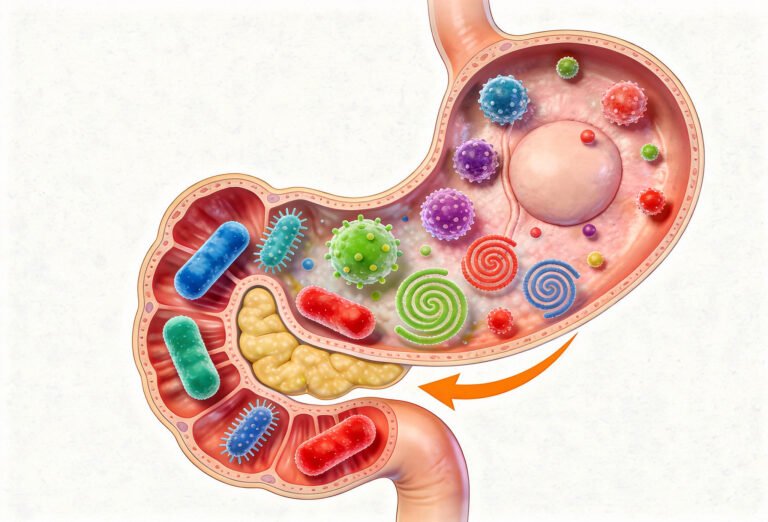
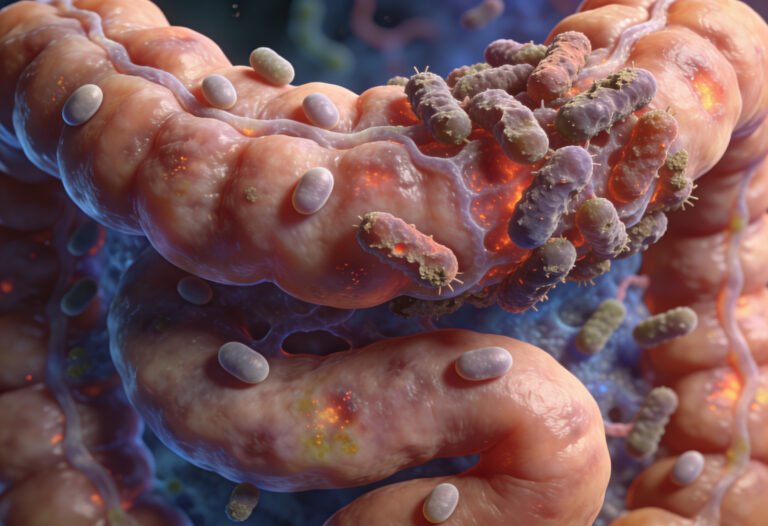
The gastrointestinal tract is home to trillions of microorganisms, collectively known as the gut microbiome, which play essential roles in nutrient metabolism, immune regulation, and even the synthesis of neuroactive compounds. These microbes follow their own circadian rhythms, which must remain synchronized with the host’s sleep-wake cycle to maintain balance. When sleep is compromised, this synchronization is disrupted, leading to a dysregulated microbiome.
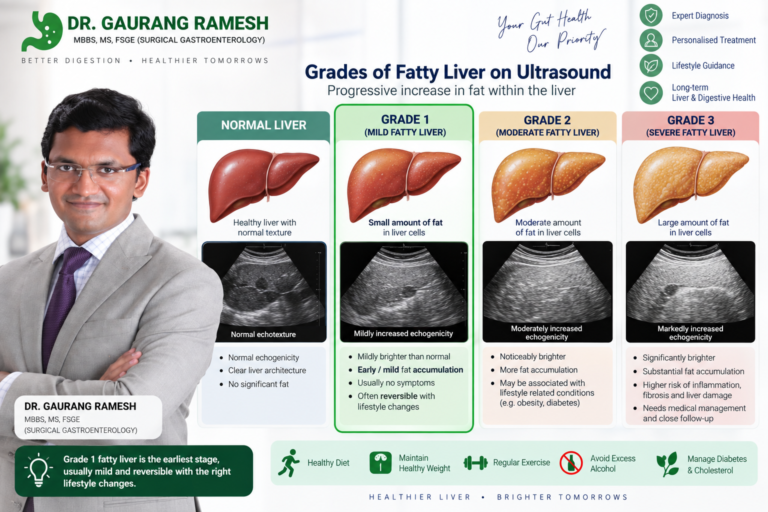
A misaligned gut microbiome can result in intestinal permeability, commonly known as leaky gut, where the gut lining becomes damaged and harmful substances can enter the bloodstream. This process triggers inflammation, which can spread to other parts of the body, including the liver, contributing to the development of metabolic disorders such as insulin resistance and fatty liver disease. Sleep disturbances exacerbate this issue, creating a vicious cycle of digestive problems and overall poor health.
The Bidirectional Nature of the Gut-Brain-Microbiome Axis
The gut-brain-microbiome axis refers to the complex, bidirectional communication system between the gut, the brain, and the gut microbiota. The brain regulates the timing of digestive functions such as gastric secretions, motility, and intestinal health via the autonomic nervous system. At the same time, the gut sends constant feedback to the brain, helping regulate the body’s metabolic status and immune environment.
This reciprocal relationship means that a healthy gut promotes restorative sleep, while good sleep supports gut repair. Disruptions to this system, such as from sleep deprivation or circadian misalignment, can have cascading effects, including increased inflammation in the gut and the brain. As a result, gut dysbiosis (microbial imbalance) and impaired digestion can directly affect sleep quality and overall well-being.
Underlying Physiological and Functional Mechanisms
To understand the role of sleep in gut health, we need to delve into the mechanisms that govern this connection. These processes involve complex interactions between hormones, the nervous system, and microbial metabolites, all of which work in harmony to maintain the body’s circadian rhythm. Disruptions in sleep, such as from shift work or sleep deprivation, alter the circadian timing of digestive and immune functions, leading to microbial imbalances and intestinal inflammation.
The Role of Melatonin and Serotonin in Gut Homeostasis
Melatonin, widely recognized as the “hormone of darkness,” plays a vital role in regulating sleep. However, melatonin is not only produced in the pineal gland; it is also found in high concentrations in the gut, where it serves as a powerful antioxidant and anti-inflammatory agent. In the gut, melatonin helps protect the intestinal mucosal lining from oxidative stress and regulates intestinal motility.
Melatonin production in the gut is closely linked to the availability of serotonin, a neurotransmitter that is also predominantly produced in the gut. About 90% of serotonin is synthesized in the gut lining, and it plays a key role in regulating both gut motility and intestinal secretion. Disruptions in the gut microbiome during poor sleep can divert serotonin away from melatonin production, leading to digestive distress and insomnia.
Microbial Signaling and Factor S
Certain bacterial components, such as peptidoglycan fragments or “Factor S”, are key regulators of sleep architecture. These molecules are released by gut bacteria during their growth and enter the bloodstream, eventually crossing the blood-brain barrier. Once in the brain, Factor S interacts with specific receptors that induce sleep. A diverse and balanced gut microbiome ensures a steady supply of these molecules, whereas dysbiosis (an imbalanced microbiome) can hinder this signaling, leading to fragmented sleep and difficulty achieving deep, restorative rest.
Short-Chain Fatty Acids (SCFAs) and the Nervous System
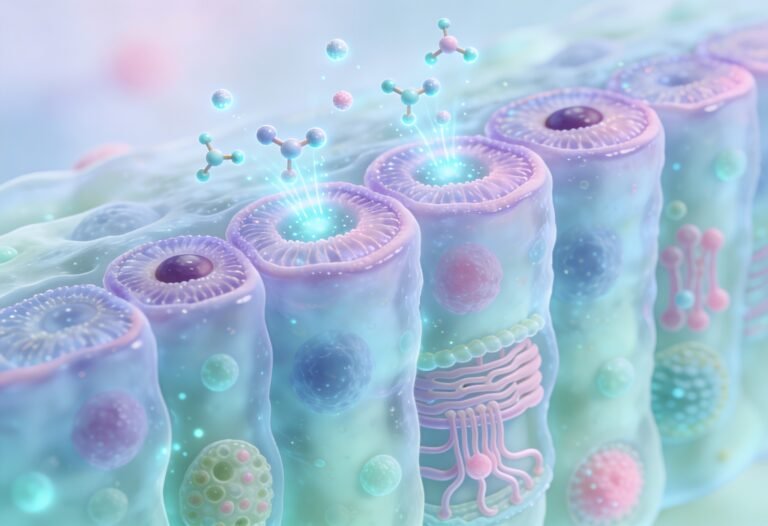
The short-chain fatty acids (SCFAs) produced by beneficial bacteria during the fermentation of dietary fiber have profound effects on both gut health and the nervous system. Butyrate, in particular, is a vital energy source for the cells that line the colon and plays an essential role in maintaining the integrity of the gut barrier. Beyond their local effects in the gut, SCFAs also influence brain function by modulating the production of Gamma-Aminobutyric Acid (GABA), a neurotransmitter that promotes relaxation and sleep.
The rhythmic production of SCFAs is closely linked to the feeding-fasting cycles and is influenced by consistent meal timing, emphasizing the importance of aligning eating habits with the body’s natural rhythms to support both gut health and sleep.
The Circadian Rhythm of the Gastrointestinal System
The gastrointestinal tract functions differently during the day compared to the night, with distinct rhythms that match the metabolic demands of the body. During the day, the system is optimized for digestion, including the secretion of gastric acid, the production of digestive enzymes, and the absorption of nutrients. At night, the system focuses on repair and housekeeping functions, including the Migrating Motor Complex (MMC), a cyclic process that helps clear undigested food particles, cellular debris, and excessive bacteria from the small intestine.
Phase of MMC
Characteristic
Clinical Significance
Phase I
Quiescent period
Allows the intestinal lining to rest and prepare
Phase II
Irregular contractions
Initiates the movement of small particles
Phase III
Strong, rhythmic waves
Essential for preventing bacterial overgrowth (SIBO)
Phase IV
Transition period
Resets the cycle for the next round
Fragmented sleep or late-night snacking can suppress the MMC, increasing the risk of Small Intestinal Bacterial Overgrowth (SIBO), gas, and bloating.
How the Condition Develops: The Progression of Gut-Sleep Dysfunction
Chronic gut-sleep issues often begin with acute disruptions that gradually develop into more established patterns of dysfunction. The progression is influenced by lifestyle choices, stress, and the body’s ability to adapt to these disturbances.
Acute Phase: Sleep deprivation for even two nights can significantly alter the microbial landscape, leading to fatigue, sugar cravings, and digestive discomfort.
Chronic Phase: Over time, chronic sleep deficiency can weaken the intestinal barrier, leading to intestinal permeability (leaky gut) and chronic inflammation, which disrupts both digestive function and sleep quality.
Metabolic and Environmental Contributors
Several modern lifestyle factors exacerbate sleep-gut dysfunction, including:
Social Jetlag: Misalignment between internal circadian rhythms and social or work schedules.
Blue Light Exposure: Artificial light from screens inhibits melatonin production, interfering with both sleep and gut repair.
Dietary Quality: Diets high in sugar and fat contribute to dysbiosis, exacerbating gut and sleep issues.
Common Symptoms and Clinical Manifestations
Gut-sleep dysfunction can manifest in a variety of ways, from gastrointestinal distress to neurological symptoms:
Gastrointestinal Symptoms: Bloating, acid reflux, and irregular bowel patterns (constipation or diarrhea).
Systemic Symptoms: Brain fog, mood swings, fatigue, and increased pain sensitivity in the abdominal region due to visceral hypersensitivity.
The Diagnostic Challenge: Why Conventional Tests Miss Early Dysfunction
Standard tests may fail to identify the early stages of gut-sleep dysfunction. At Arka Anugraha Hospital, we go beyond traditional diagnostics with functional medicine tools, including:
Comprehensive stool analysis for microbial imbalances.
Hormonal assessments to evaluate melatonin and cortisol rhythms.
Breath testing for SIBO and small intestine motility issues.
Integrative Care Approach at ARKA Anugraha Hospital
At Arka Anugraha Hospital, we offer a holistic, root-cause-focused approach to address gut-sleep dysfunction. Led by Dr. Gaurang Ramesh, our treatments integrate functional medicine with advanced diagnostics. The 5R Protocol helps restore the gut-liver axis, optimize sleep, and enhance overall gut health.
The 5R’s Framework for Gut Restoration
The 5R Protocol involves five core phases:
Remove: Eliminate triggers such as food sensitivities and gut infections.
Replace: Support digestion with enzymes and bile to enhance nutrient breakdown.
Reinoculate: Use probiotics and prebiotics to rebalance the microbiome.
Repair: Use nutrients like L-Glutamine, Zinc Carnosine, and Omega-3s to heal the gut lining.
Rebalance: Focus on consistent sleep, stress management, and light hygiene.
Positioning ARKA Anugraha Hospital as a Hub for Functional Health
At Arka Anugraha Hospital, we integrate conventional treatments with functional medicine to offer comprehensive care for gastrointestinal health, from acute conditions to chronic lifestyle disorders. Through personalized care, we help patients achieve long-term wellness by focusing on circadian alignment, gut health, and digestive restoration.
Clinical Recommendations for Gut-Sleep Optimization
Optimal gut health requires aligning lifestyle habits with natural body rhythms:
3-Hour Fasting Window: Finish the last meal at least three hours before bed to allow the body to focus on repair during sleep.
Light Hygiene: Reduce screen time and dim lights before bed to support melatonin production and improve sleep quality.
Morning Sunlight and Vagal Tone: Expose your eyes to sunlight shortly after waking and engage in activities that support vagal tone to promote a healthy gut.
Conclusion
The relationship between sleep and gut health is intricately tied to metabolic function, immune response, and overall well-being. Understanding how sleep disruptions impact the gut microbiome, gut barrier integrity, and liver function is crucial for addressing metabolic diseases. At Arka Anugraha Hospital, Dr. Gaurang Ramesh and his team provide a systems-based, root-cause-focused approach to restore balance to the gut-liver axis and optimize sleep for better health outcomes.
Book your consultation today and take the first step toward improved gut health and better sleep.
Frequently Asked Questions (FAQs)
Can lack of sleep cause gas and bloating? Yes, sleep deprivation disrupts the Migrating Motor Complex (MMC), leading to undigested food and bacteria fermentation, causing excessive gas and bloating.
How does gut health affect sleep quality? An imbalanced gut microbiome can reduce the production of serotonin, a precursor to melatonin, making it difficult to enter deep, restorative sleep.
Is “leaky gut” related to sleep debt? Yes, chronic sleep deprivation weakens the gut lining, increasing permeability and allowing toxins to leak into the bloodstream, triggering inflammation.
Should I avoid eating right before bed for my gut health? Yes, it is best to finish meals 2-3 hours before sleep to allow digestion to complete and support the MMC for gut health.
Can probiotics help me sleep better? Yes, probiotics like Lactobacillus and Bifidobacterium can improve sleep by reducing gut inflammation and supporting neurotransmitter production.
Why does my stomach hurt more when I haven’t slept? Sleep deprivation increases visceral hypersensitivity, causing normal digestive processes to feel more painful or uncomfortable.
Does sleep apnea affect the gut? Yes, sleep apnea can stress the gut microbiome, promoting gut dysbiosis and contributing to systemic inflammation and metabolic issues.
What is the 5R Protocol at Arka Anugraha Hospital? The 5R Protocol is a treatment framework designed to restore gut health and enhance sleep quality through Remove, Replace, Reinoculate, Repair, and Rebalance phases.
Dr. Gaurang Ramesh
Surgical Gastroenterologist, Functional and Integrative Medicine Practitioner
Expert Landscapers
Lorem ipsum dolor sit amet, consectetur adipiscing elit.
Free Consultation
Lorem ipsum dolor sit amet, consectetur adipiscing elit.
Licensed Company
Lorem ipsum dolor sit amet, consectetur adipiscing elit.