Exploring the Role of Gut Microbes in Obesity and Weight Regulation
Introduction
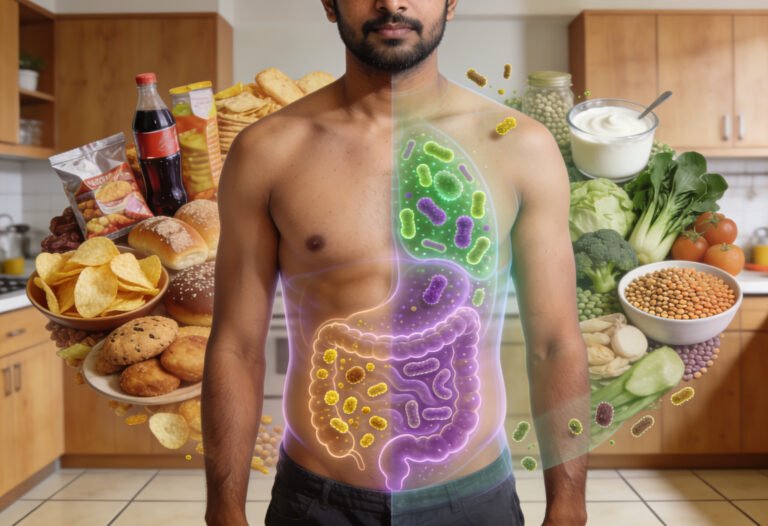
Obesity has long been recognized as a result of an imbalance between caloric intake and energy expenditure. However, in recent years, researchers have uncovered a more complex underlying factor: the gut microbiome. Comprising trillions of bacteria, archaea, fungi, and viruses, the gut microbiome plays a pivotal role in regulating energy metabolism, immune function, and weight. This blog will delve into how the gut microbiome influences obesity and weight regulation, focusing on the mechanisms by which gut microbes affect metabolic processes and contribute to the development of obesity. We will also explore the insights gained from modern functional medicine and how integrative care at Arka Anugraha Hospital can help manage these conditions.
Foundational Understanding of the Condition and Concept
The gut microbiome is a highly diverse ecosystem consisting of trillions of microorganisms that reside predominantly in the gastrointestinal tract. These microbes interact with each other and with the host in complex ways, performing critical functions like nutrient metabolism, immune system regulation, and even neurotransmitter synthesis. The human microbiome has approximately 150 times more genes than the human genome, enabling it to ferment complex polysaccharides into bioavailable metabolites, crucial for energy extraction.
The role of the gut microbiome in regulating obesity goes beyond just the fermentation of dietary components. It involves influencing how energy is stored, metabolized, and utilized. Clinical research has shown that a diverse microbiome, characterized by a balanced ratio of bacteria, particularly Firmicutes and Bacteroidetes, plays a significant role in maintaining metabolic health. In contrast, individuals with obesity often exhibit microbial imbalances, or dysbiosis, where the microbial diversity is reduced, and the abundance of certain microbes can lead to weight gain even in the absence of caloric excess.
Microbial Characteristics in Lean vs. Obese Phenotype
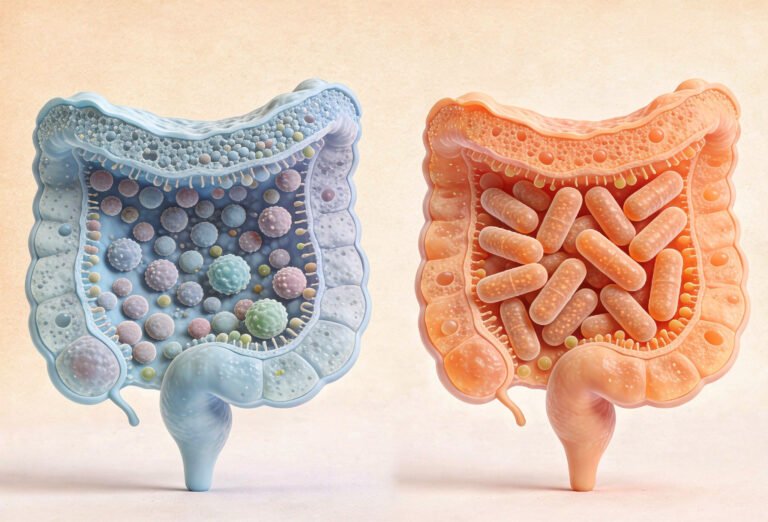
The microbial profile in lean individuals is typically marked by a high degree of microbial diversity, with a balanced ratio of Firmicutes and Bacteroidetes. This diversity is associated with healthy digestion, optimal energy extraction, and robust immune function. In contrast, individuals with obesity often show dysbiosis, characterized by reduced microbial richness and an imbalance in bacterial phyla. Notably, there is an increased ratio of Firmicutes to Bacteroidetes, which correlates with an enhanced ability to harvest energy from food, contributing to weight gain.
Lean Phenotype
Obese Phenotype
High microbial diversity
Reduced diversity
Balanced Firmicutes/Bacteroidetes ratio
Increased Firmicutes/Bacteroidetes ratio
Robust gut barrier function
Increased intestinal permeability (Leaky Gut)
Moderate energy extraction
High efficiency in energy extraction, leading to weight gain
This microbial imbalance increases the efficiency of energy extraction, meaning individuals with an obese microbiome extract more calories from the same amount of food compared to lean individuals. The excess energy is stored as fat, promoting the development of obesity.
Underlying Physiological and Functional Mechanisms
Gut microbes influence weight regulation through several mechanisms that involve energy harvesting, microbial metabolites, and the modulation of host gene expression. These processes interact with the body’s endocrine system and central nervous system, forming a highly integrated system that affects how the body handles calories and stores fat.
Energy Harvesting and Carbohydrate Fermentation by Gut Microbes
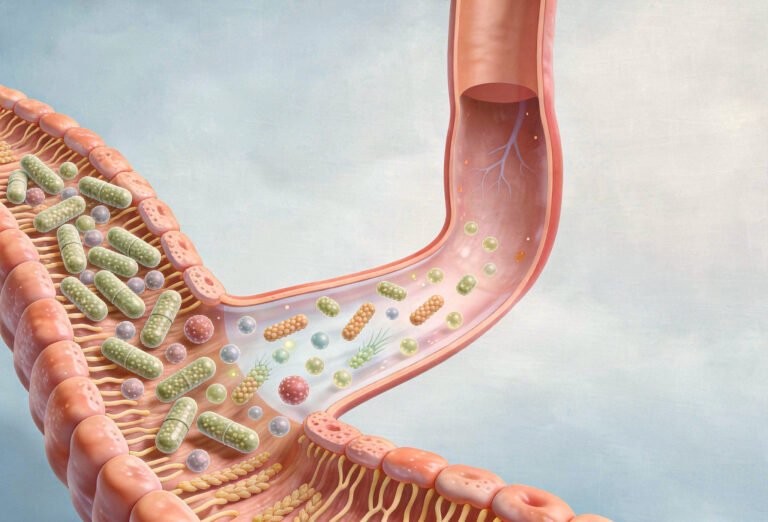
The gut microbiota primarily facilitates the fermentation of indigestible carbohydrates that escape digestion in the small intestine. By breaking down these fibers, gut bacteria produce short-chain fatty acids (SCFAs) such as acetate, propionate, and butyrate. These SCFAs are not only crucial for gut health but also play a role in weight regulation.
In individuals with obesity, the microbiota’s energy-harvesting efficiency is increased, allowing for more calories to be absorbed from the same food. This increased efficiency contributes to fat storage and weight gain, particularly as SCFAs are shuttled to the liver, where they are converted into lipids for fat storage.
SCFA Signaling and Hormone Modulation
SCFAs are not just byproducts of microbial fermentation; they also act as signaling molecules. These molecules bind to G-protein-coupled receptors (GPCRs), such as GPR41 and GPR43, which are found on gut endocrine cells and adipocytes. Through this binding, SCFAs influence the release of several hormones that play a critical role in appetite regulation and insulin sensitivity.
Glucagon-like Peptide-1 (GLP-1): Released from the intestines, GLP-1 enhances insulin secretion, slows gastric emptying, and increases feelings of satiety.
Peptide YY (PYY): Similar to GLP-1, PYY reduces appetite by signaling fullness.
Insulin Sensitivity: SCFAs, especially butyrate, improve glucose metabolism and insulin sensitivity, whereas a lack of SCFA-producing bacteria has been linked to metabolic syndrome and type 2 diabetes.
By enhancing insulin sensitivity and promoting feelings of fullness, SCFAs play a direct role in regulating food intake and weight control.
Metabolic Endotoxemia and Systemic Inflammation
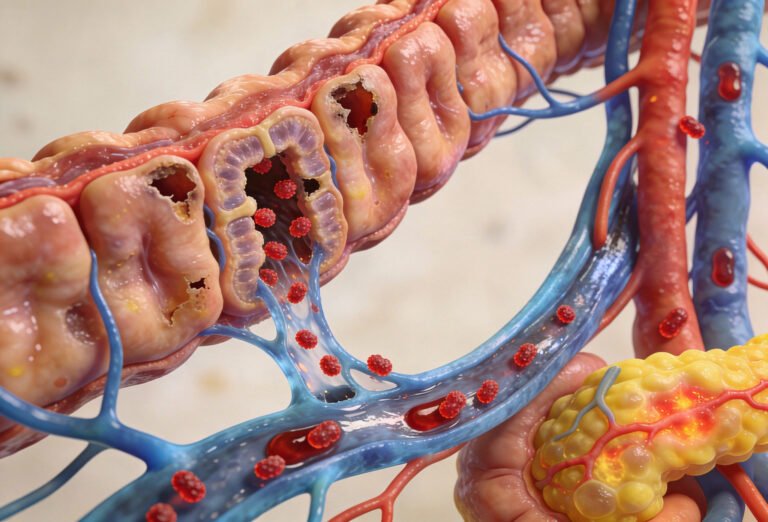
One of the most critical links between the gut microbiome and obesity is the development of metabolic endotoxemia. In dysbiosis, certain pathogenic bacteria produce high levels of lipopolysaccharides (LPS), endotoxins found in the cell walls of gram-negative bacteria. When the gut barrier becomes compromised (a condition known as leaky gut), these endotoxins can enter the bloodstream and trigger systemic inflammation.
The presence of LPS activates immune cells and adipocytes, resulting in chronic, low-grade inflammation. This inflammatory state is a significant driver of insulin resistance, a condition where the body’s cells no longer respond effectively to insulin, leading to high circulating insulin levels that promote fat storage, particularly in the abdominal area. Elevated insulin levels inhibit the breakdown of existing fat stores, making it more difficult to lose weight.
Regulation of Adipogenesis and Fat Storage Genes
Gut microbes influence weight regulation by modulating the expression of genes involved in fat storage. One key gene is Fasting-Induced Adipocyte Factor (FIAF), which inhibits lipoprotein lipase (LPL), an enzyme responsible for fat storage. When the gut microbiome suppresses FIAF, LPL activity increases, promoting the uptake of fatty acids and the storage of triglycerides in adipose tissue.
Microbial metabolites also regulate the AMPK pathway, a master regulator of cellular energy balance, influencing how the body stores or burns fat. By modulating these pathways, gut microbes significantly impact fat storage and weight regulation.
Gut-Brain Axis and Appetite Regulation
The gut-brain axis is the bidirectional communication pathway that links the gastrointestinal system to the brain. This axis integrates neural, endocrine, and immune signals to regulate energy homeostasis, food reward, and appetite. The primary neural pathway through which the gut communicates with the brain is the vagus nerve.
Gut microbes influence the brain via the vagus nerve, producing neurotransmitters like serotonin, GABA, and dopamine, which regulate mood, satiety, and hunger. Disruption in the gut microbiome can lead to altered neurotransmitter production, resulting in increased hunger, food cravings, and poor appetite regulation. This imbalance can contribute to overeating and weight gain
How the Condition Develops or Progresses
Obesity is often a slow, cumulative process influenced by lifestyle factors, dietary patterns, and gut microbiome alterations. Antibiotics, dietary habits, chronic stress, and sedentary lifestyle all play a role in altering the gut microbiome, increasing the risk of weight gain and metabolic dysfunction.
Factor
Mechanism of Disruption
Metabolic Consequence
Antibiotics
Depletion of gut bacteria
Reduced diversity, weight gain risk
SAD Diet
High sugar, fat content
Promotes pathogenic bacteria, LPS production
Chronic Stress
Increased cortisol, gut permeability
Leaky gut and systemic inflammation
Sedentary Lifestyle
Reduced gut motility
Dysbiosis, metabolic dysfunction
Lifestyle, Metabolic, and Environmental Contributors
The modern Western diet, rich in processed foods, refined carbohydrates, and artificial additives, is a major driver of obesity and gut dysbiosis. These foods lack the prebiotic fiber needed to nourish beneficial gut bacteria, fostering the growth of harmful bacteria that promote inflammation. Environmental toxins, sleep deprivation, and chronic stress further disrupt the gut barrier, leading to metabolic endotoxemia and insulin resistance.
Common Symptoms and Clinical Manifestations
Obesity associated with gut dysbiosis is often accompanied by a range of digestive and systemic symptoms:
Gastrointestinal Symptoms: Bloating, gas, abdominal discomfort, and irregular bowel habits.
Systemic Symptoms: Fatigue, brain fog, sugar cravings, and mood changes.
Traditional weight management strategies often focus solely on caloric intake and exercise, overlooking the underlying biological factors. The calories in vs. calories out model fails to account for how the gut microbiome influences energy extraction and fat storage. Most clinical approaches don’t consider microbial diversity or the role of the gut-brain axis, which is why weight loss strategies may not work for everyone.
Integrative & Root-Cause-Focused Care at ARKA Anugraha Hospital
At Arka Anugraha Hospital, we emphasize functional medicine and integrative gastroenterology to address the root causes of obesity. Dr. Gaurang Ramesh and his team focus on advanced diagnostic tests to identify imbalances in the gut microbiome, metabolic dysfunction, and hormonal disruptions. Treatment is tailored to the individual’s unique needs, ensuring effective and sustainable weight management.
The 5R’s Framework for Gut and Metabolic Restoration
The 5R Protocol is a comprehensive approach used at Arka Anugraha Hospital to restore gut health and optimize metabolism:
Remove: Eliminate gut-inflammatory foods and toxins.
Replace: Support digestion with enzymes and bile.
Reinoculate: Reintroduce healthy microbes with targeted probiotics and prebiotics.
Repair: Heal the gut lining with nutrients like L-glutamine and zinc.
Rebalance: Optimize lifestyle with proper sleep, stress management, and regular exercise.
Clinical Recommendations for Gut Microbe Optimization
To optimize gut health for weight regulation, consider:
Increasing fiber intake through whole grains, vegetables, and fermented foods.
Avoiding processed foods, which feed harmful gut bacteria and promote inflammation.
Getting regular exercise to support microbial diversity and improve metabolic function.
Managing stress and ensuring consistent sleep patterns to maintain gut integrity.
Conclusion
The gut microbiome plays a critical role in regulating obesity and weight management. Understanding how gut microbes affect energy harvesting, metabolism, and hormonal balance is crucial for effectively addressing obesity and promoting sustainable weight loss. At Arka Anugraha Hospital, we offer a root-cause approach to gut and metabolic health through functional medicine and personalized care.
Book your consultation today to begin your journey toward better gut health and weight regulation.
Frequently Asked Questions (FAQs)
Can an imbalance in my gut bacteria really cause me to gain weight? Yes, the gut microbiome influences how efficiently calories are extracted from food, promoting fat storage in individuals with an imbalanced microbiome, even with the same caloric intake.
What are the common symptoms of gut-driven weight gain? Symptoms include bloating, gas, chronic fatigue, brain fog, and sugar cravings all signs of systemic inflammation caused by an unhealthy gut microbiome.
Why don’t standard blood tests show my gut health issues? Standard tests typically focus on diagnosing established diseases. They do not measure microbial diversity, gut barrier integrity, or markers of metabolic endotoxemia, which contribute to obesity.
How does a “leaky gut” contribute to metabolic disorders like obesity? A leaky gut allows lipopolysaccharides (LPS) to enter the bloodstream, triggering inflammation and insulin resistance, which promotes fat storage and hinders weight loss.
Will taking probiotics alone help me lose weight? Probiotics can support metabolic health, but they are not a quick fix. A comprehensive approach addressing gut inflammation and dietary changes is necessary for effective weight management.
How is the care at ARKA Anugraha Hospital different from traditional weight loss programs? Traditional programs focus on calorie restriction, while ARKA’s integrative approach targets the root causes of obesity through personalized diagnostics, the 5R Protocol, and gut health optimization.
Dr. Gaurang Ramesh
Surgical Gastroenterologist, Functional and Integrative Medicine Practitioner
Expert Landscapers
Lorem ipsum dolor sit amet, consectetur adipiscing elit.
Free Consultation
Lorem ipsum dolor sit amet, consectetur adipiscing elit.
Licensed Company
Lorem ipsum dolor sit amet, consectetur adipiscing elit.