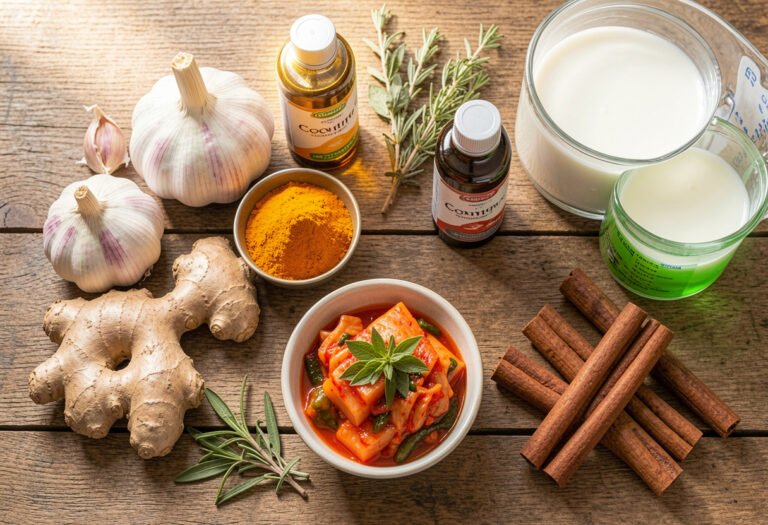
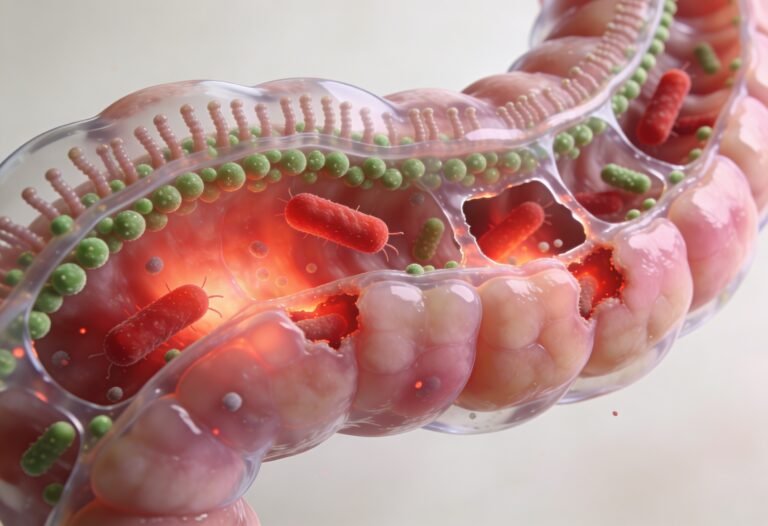
Certain foods contain bioactive compounds that naturally fight off harmful microbes, reduce inflammation, and promote a healthy gut. These foods work by either killing or inhibiting the growth of pathogenic bacteria, viruses, and fungi, while supporting the growth of beneficial microbes. Below are some of the most effective antimicrobial foods for gut health:
1. Garlic: The Powerhouse Antimicrobial
Garlic has long been used for its medicinal properties, and modern science has confirmed its potent antimicrobial, antibacterial, and antifungal effects. The active compound allicin is responsible for garlic’s ability to fight off pathogens, including bacteria like H. pylori and Salmonella.
- How it helps: Garlic helps combat gut infections by reducing pathogenic bacteria and promoting the growth of beneficial gut flora. It also has anti-inflammatory properties that can reduce gut irritation caused by infections.
- How to use: Fresh, crushed garlic is the most effective form. You can add it to soups, salads, or as a seasoning in your meals. Garlic supplements are also available for those who want a more concentrated dose.
2. Ginger: Nature’s Digestive Aid
Ginger is not only known for its digestive benefits but also for its antimicrobial properties. It has been shown to inhibit the growth of bacteria like E. coli and Staphylococcus aureus, as well as help reduce gut inflammation caused by infections.
- How it helps: Ginger can soothe the stomach, reduce nausea, and fight bacterial infections. It also promotes healthy gut motility, which is essential for clearing pathogens from the digestive tract.
- How to use: Fresh ginger can be added to tea, smoothies, or dishes. Ginger supplements are also available if you prefer a more concentrated form.
3. Turmeric: Anti-Inflammatory and Antimicrobial Power
Turmeric, and its active compound curcumin, is renowned for its anti-inflammatory and antimicrobial effects. Curcumin has been shown to inhibit the growth of bacteria, including Candida (a type of yeast) and Clostridium difficile (C. diff), a dangerous gut infection.
- How it helps: Turmeric not only helps fight infections but also supports the gut lining, promoting healing of leaky gut and reducing inflammation in the intestines.
- How to use: Add turmeric powder to curries, soups, or smoothies. Combining turmeric with black pepper enhances the absorption of curcumin, boosting its effectiveness.
4. Apple Cider Vinegar (ACV): Balancing Gut pH
Apple cider vinegar has been used as a natural antimicrobial for centuries. Its acidity creates an environment where harmful microbes cannot thrive, and it also contains acetic acid, which helps kill off certain strains of bacteria in the gut.
- How it helps: ACV can help restore the pH balance in the stomach and intestines, creating an inhospitable environment for harmful pathogens. It also supports digestion by promoting stomach acid production.
- How to use: Dilute one to two tablespoons of raw, unfiltered ACV in a glass of water and drink it before meals to support gut health. It can also be used as a salad dressing.
5. Coconut Oil: Natural Antifungal and Antibacterial
Coconut oil contains medium-chain triglycerides (MCTs), which have antimicrobial properties, particularly lauric acid and caprylic acid. These compounds have been shown to combat Candida yeast infections, as well as bacterial overgrowth in the intestines.
- How it helps: Coconut oil’s antifungal and antibacterial properties help balance the gut microbiome by reducing harmful pathogens and promoting the growth of beneficial bacteria.
- How to use: Coconut oil can be used for cooking, baking, or added to smoothies. Be sure to use virgin coconut oil for the best results.
6. Oregano Oil: A Potent Antibacterial and Antifungal
Oregano oil is a powerful antimicrobial agent. It contains carvacrol, a compound that has been shown to inhibit the growth of harmful bacteria and fungi in the digestive tract, including E. coli and Salmonella.
- How it helps: Oregano oil’s antibacterial and antifungal properties make it an excellent remedy for gut infections caused by both bacteria and yeast.
- How to use: Oregano oil is potent, so it should be taken in small doses. Dilute a few drops in water or add it to a capsule. Oregano oil supplements are also available.
7. Fermented Foods: Promoting Gut Flora Balance
Fermented foods, such as kimchi, sauerkraut, kefir, and miso, are rich in probiotics, beneficial bacteria that support gut health. These foods help replenish the gut with good bacteria that crowd out harmful pathogens and restore microbial balance.
- How it helps: Fermented foods promote healthy gut flora, reduce intestinal permeability, and support immune function, making them an essential part of combating gut infections.
- How to use: Incorporate fermented foods into your daily meals, such as adding kimchi to salads, using sauerkraut as a side dish, or drinking kefir or kombucha as a beverage
Use with Caution
- Start slow (may cause bloating/gas)
- Avoid/limit in SIBO, histamine intolerance, or active gut irritation/infections
- Use cautiously in severe dysbiosis or leaky gut
- Choose high-quality, properly fermented foods
Introduce gradually & personalize based on tolerance
.
8. Cinnamon: Natural Antibacterial and Antifungal
Cinnamon has long been known for its antimicrobial properties, particularly its ability to combat harmful bacteria like E. coli and Salmonella. It also helps to balance blood sugar, which can reduce the growth of harmful gut microbes that thrive on sugar.
- How it helps: Cinnamon has been shown to support digestive health by reducing harmful bacteria and yeast in the gut, promoting a balanced microbiome.
- How to use: Add cinnamon to smoothies, teas, and baked goods, or sprinkle it on your oatmeal for added flavor and health benefits.