The Relationship Between Gut Health and Skin Disorders Like Acne and Eczema
Introduction
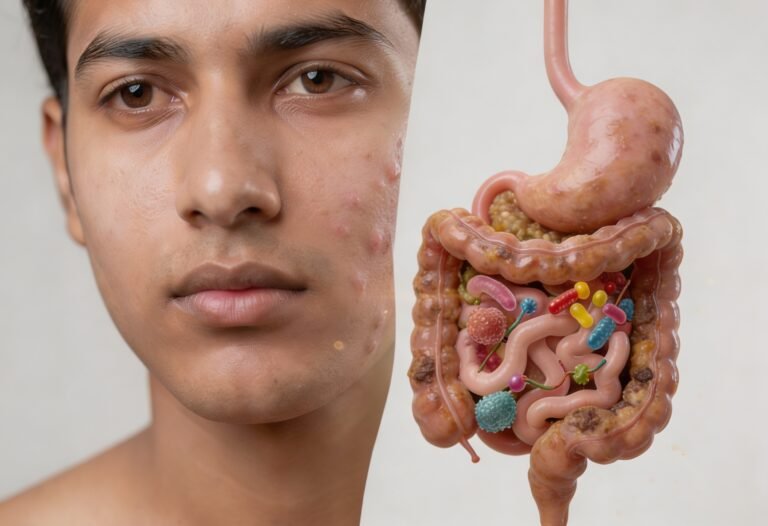
The link between gut health and skin disorders has become a hot topic in the world of functional medicine and dermatology. Conditions like acne, eczema, and rosacea are commonly thought to be primarily external problems, influenced by factors like hormones, diet, and environmental triggers. However, an emerging body of research suggests that the health of the gut microbiome plays a critical role in the development and exacerbation of these skin conditions. The gut-skin axis, the communication between the gut microbiome and the skin has been found to influence inflammation, immune responses, and overall skin health. This blog will explore how an imbalanced gut microbiome can contribute to conditions like acne and eczema, and how improving gut health through diet and lifestyle changes can help manage and prevent these common skin issues.
Understanding the Gut-Skin Connection
The gut microbiome consists of trillions of bacteria, fungi, viruses, and other microorganisms that live in the gastrointestinal tract. These microbes are essential for digestion, nutrient absorption, immune regulation, and even mental health. In recent years, researchers have uncovered that the gut microbiome also communicates with other parts of the body, including the skin, through a process known as the gut-skin axis.
The gut-skin axis refers to the way in which the gut microbiome influences skin health through immune responses, inflammation, and the production of specific compounds. When the gut is in balance, the skin can thrive; however, when there is dysbiosis (an imbalance of gut bacteria), it can lead to systemic inflammation that manifests on the skin as acne, eczema, psoriasis, or rosacea.
How Gut Health Affects Acne
Acne is a common skin condition that primarily affects teenagers but can persist into adulthood. It is often associated with hormonal fluctuations, diet, and excess sebum production, but the role of gut health in acne is gaining increasing attention. Research suggests that an imbalanced gut microbiome can contribute to acne development in several ways:
Inflammation: When the gut is imbalanced, harmful bacteria produce endotoxins like lipopolysaccharides (LPS), which can enter the bloodstream and trigger systemic inflammation. This inflammation can affect the skin, leading to pimples, cysts, and other forms of acne.
Hormonal Regulation: The gut microbiome influences the body’s ability to metabolize hormones like testosterone and estrogen, which can directly impact sebum production in the skin. Dysbiosis can disrupt the hormonal balance, leading to acne flare-ups.
Immune System Activation: An unhealthy gut triggers an overactive immune response, leading to the production of inflammatory cytokines that can affect the skin, causing conditions like acne and eczema.
How Gut Health Affects Eczema
Eczema, or atopic dermatitis, is another skin disorder that has been closely linked to gut health. It is characterized by dry, itchy, and inflamed skin, and is often triggered by environmental factors, food allergies, and genetics. However, studies have shown that the gut microbiome plays a crucial role in the development and severity of eczema:
Immune Dysregulation: The immune system plays a central role in eczema, and the gut microbiome is heavily involved in immune function. A healthy gut microbiome helps maintain immune tolerance, preventing overactive immune responses that can lead to allergic reactions and inflammation in the skin. Dysbiosis, particularly a lack of beneficial bacteria like Lactobacillus and Bifidobacterium, has been linked to increased Th2 immune response in the skin, which is a characteristic of eczema.
Leaky Gut and Inflammation: As with acne, intestinal permeability (leaky gut) is another major factor contributing to eczema. When the gut lining becomes compromised, harmful substances, including toxins and food particles, can leak into the bloodstream and trigger systemic inflammation. This inflammation can exacerbate eczema symptoms and cause flare-ups.
Food Sensitivities: An imbalanced gut microbiome can alter how the body responds to certain foods. Many individuals with eczema have food sensitivities to dairy, gluten, or certain additives. The gut microbiome can influence the body’s reaction to these foods, contributing to allergic reactions that affect the skin.
How to Improve Gut Health for Better Skin
Addressing the root cause of skin conditions like acne and eczema involves improving gut health. Below are some practical steps to restore balance to the gut microbiome and support healthier skin:
Increase Fiber Intake: A fiber-rich diet promotes the growth of beneficial gut bacteria, which produce short-chain fatty acids (SCFAs) like butyrate that support gut barrier function and reduce inflammation. High-fiber foods include fruits, vegetables, whole grains, and legumes.
Probiotics and Fermented Foods: Probiotics are beneficial bacteria that can help restore balance to the gut microbiome. Foods like yogurt, kefir, kimchi, sauerkraut, and miso are rich in probiotics and can help improve gut health. For more concentrated doses, probiotic supplements are available.
Anti-Inflammatory Diet: A diet rich in anti-inflammatory foods like turmeric, ginger, green leafy vegetables, berries, and healthy fats (like omega-3s from fish and flaxseeds) can help reduce gut inflammation and soothe skin flare-ups.
Eliminate Gut Irritants: Certain foods can trigger gut dysbiosis and inflammation. Processed foods, refined sugars, dairy, and gluten are common irritants that can worsen acne and eczema. Avoiding these foods and focusing on whole, nutrient-dense options can significantly improve skin health.
Manage Stress: Chronic stress can harm the gut and exacerbate skin conditions. Practices like mindfulness, yoga, meditation, and adequate sleep help manage stress and support overall well-being, including gut health.
When to Seek Medical Help
While improving gut health through diet and lifestyle changes can significantly help with acne and eczema, it is important to consult a healthcare provider if:
Your skin condition persists or worsens despite dietary changes.
You experience severe outbreaks of acne or eczema.
You have significant digestive symptoms such as bloating, gas, or diarrhea.
A functional medicine approach, such as the one offered at Arka Anugraha Hospital, can help identify underlying gut imbalances, food sensitivities, or hormonal issues contributing to your skin condition. Working with a healthcare provider allows for a more holistic treatment plan tailored to your unique needs.
Conclusion
The relationship between gut health and skin disorders like acne and eczema is undeniable. Imbalances in the gut microbiome contribute to inflammation, immune dysregulation, and skin flare-ups, highlighting the importance of maintaining a healthy gut for clear, radiant skin. By incorporating antimicrobial foods and anti-inflammatory ingredients into your diet, along with managing stress and addressing underlying gut issues, you can significantly improve your skin health. If you’re struggling with chronic skin conditions, consult with Dr. Gaurang Ramesh at Arka Anugraha Hospital for a personalized treatment plan that addresses both your gut health and skin health.
Book your consultation today and start your journey toward healthier skin through better gut health.
Frequently Asked Questions (FAQs)
How does gut health affect acne? An imbalanced gut microbiome can lead to increased inflammation and disrupt hormonal regulation, both of which contribute to acne development.
Can improving my gut health help with eczema? Yes, restoring balance to the gut microbiome can reduce immune dysregulation and inflammation, which are key factors in eczema.
What foods can help improve gut health for better skin? Fiber-rich foods, fermented foods (like kimchi and kefir), anti-inflammatory foods (such as turmeric and ginger), and probiotic-rich foods support both gut and skin health.
How do probiotics help with skin conditions? Probiotics promote a healthy balance of gut bacteria, which can reduce gut inflammation, improve immune response, and help manage acne and eczema.
Can stress make my acne or eczema worse? Yes, chronic stress can disrupt the gut microbiome, trigger inflammation, and worsen skin conditions like acne and eczema.
How long does it take to see improvements in skin health through diet? Improvements can be seen within 4-6 weeks of making dietary and lifestyle changes, but it may take longer for more severe conditions.
Do I need to avoid all dairy and gluten to improve my skin? Not necessarily. While dairy and gluten can trigger symptoms in some people, each individual’s triggers vary. An elimination diet can help identify specific sensitivities.
When should I seek medical help for acne or eczema? If your symptoms persist despite changes in diet and lifestyle, or if you experience severe flare-ups, it’s time to consult a healthcare provider for further evaluation and treatment.
Dr. Gaurang Ramesh
Surgical Gastroenterologist, Functional and Integrative Medicine Practitioner
Expert Landscapers
Lorem ipsum dolor sit amet, consectetur adipiscing elit.
Free Consultation
Lorem ipsum dolor sit amet, consectetur adipiscing elit.
Licensed Company
Lorem ipsum dolor sit amet, consectetur adipiscing elit.