
Why You Should Include Fermented Foods in Your Diet for Gut Wellness

Introduction

In recent years, the connection between gut health and overall well-being has garnered significant attention. Fermented foods have long been valued in many cultures for their role in preserving food and enhancing its nutritional profile. However, modern science is now shedding light on the profound impact these foods have on the gut microbiome and overall digestive health. Fermented foods are rich in live probiotics beneficial bacteria that help maintain a balanced and healthy gut environment. In this blog, we will explore why you should include fermented foods in your diet, the mechanisms behind their health benefits, and how they contribute to improved gut wellness.

Foundational Understanding of Fermentation and Gut Wellness

Fermentation is an ancient biological process used to preserve and enhance the nutritional value of foods. During fermentation, microorganisms such as bacteria, yeast, and molds break down the sugars and starches in foods, producing organic acids like lactic acid and acetic acid. These acids help preserve the food while also creating an environment that supports beneficial microorganisms. Unlike pickling, which uses vinegar to acidify foods, true fermentation relies on live cultures that convert the food’s natural sugars into beneficial compounds.

Fermented foods offer several health benefits, especially for the gut microbiome, the community of microorganisms that reside in the digestive system. A balanced gut microbiome is crucial for maintaining immune function, digestion, and metabolism. The intake of fermented foods provides probiotics, the beneficial bacteria that can help restore microbial balance, especially after disruptions caused by stress, antibiotics, or poor diet.
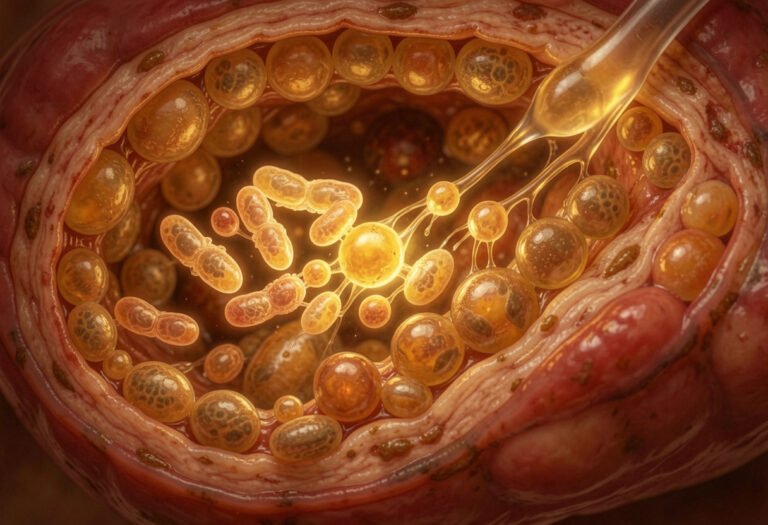
Physiological and Functional Mechanisms Behind Fermented Foods

When you consume fermented foods, you are ingesting a variety of probiotic bacteria that can enhance gut health in multiple ways. The fermentation process also helps to break down complex food components, making them easier to digest and absorb. Let’s take a closer look at the functional mechanisms of fermented foods:

  1. Enzymatic Transformation and Nutrient Accessibility:
    During fermentation, the microorganisms in fermented foods help pre-digest complex carbohydrates, proteins, and fats, making them easier for the body to absorb. This is particularly beneficial for individuals with sensitive digestion or conditions like Irritable Bowel Syndrome (IBS), as fermented foods are often gentler on the digestive system. Fermentation also breaks down anti-nutrients such as phytates, which are found in grains and legumes, allowing the body to better absorb essential minerals like iron, calcium, and magnesium.
  2. Gut Barrier Support:
    Short-chain fatty acids (SCFAs) produced during the fermentation of fiber by probiotics are essential for maintaining the integrity of the gut barrier. SCFAs, particularly butyrate, help strengthen the gut lining, which prevents harmful substances from leaking into the bloodstream a condition known as leaky gut. By supporting a healthy gut lining, fermented foods can help reduce inflammation and improve digestive resilience.
  3. Immune System Modulation:
    The gut-associated lymphoid tissue (GALT), located in the gut, plays a crucial role in immune function. Fermented foods help stimulate the immune system by increasing the production of beneficial compounds like bioactive peptides and bacteriocins, which can inhibit harmful pathogens while promoting healthy gut flora. These microbial products also modulate systemic inflammation and support immune health throughout the body.

Key Benefits of Fermented Foods for Gut Health

Fermented foods offer numerous health benefits for the gut, primarily by supporting a healthy and diverse microbiome. The key benefits include:

  1. Restoring Microbial Balance: Fermented foods introduce beneficial bacteria (probiotics) into the gut, helping to restore the balance of the microbiome. This is particularly important after the use of antibiotics, which can disrupt gut flora.
  2. Enhancing Digestion and Nutrient Absorption: The pre-digestion of food components during fermentation makes these foods easier for the body to process, improving nutrient absorption and reducing digestive discomfort.
  3. Reducing Inflammation: Fermented foods help modulate inflammation in the gut and the body, which can reduce symptoms associated with conditions like acne, eczema, and autoimmune diseases.
  4. Supporting Immune Health: By improving the balance of gut bacteria and promoting the production of beneficial compounds, fermented foods support a strong immune system, enhancing the body’s ability to fight off infections and illnesses.

The Role of Short-Chain Fatty Acids (SCFAs)

One of the most critical functional mechanisms of fermented foods is the production of short-chain fatty acids (SCFAs), primarily acetate, propionate, and butyrate. These compounds are produced when beneficial bacteria ferment dietary fibers and resistant starches.

Butyrate, in particular, has profound anti-inflammatory properties. It regulates the expression of tight junction proteins in the gut, strengthening the intestinal barrier and preventing the translocation of harmful toxins and undigested food particles into the bloodstream. Acetate and propionate are also important for regulating lipid metabolism, appetite control, and even neuroinflammation.

Fermented Foods and Microbial Balance

The consumption of fermented foods can significantly enhance microbial diversity in the gut. A diverse microbiome is associated with better gut health, improved immune function, and enhanced metabolic resilience. Fermented foods contribute to this diversity by providing a range of probiotic strains and prebiotic fibers that nourish the beneficial bacteria in the gut.

By introducing different strains of bacteria through fermented foods, you can help promote a resilient microbiome capable of handling environmental stressors, dietary changes, and even infections. The ongoing microbial exchange facilitated by fermented foods helps maintain a healthy balance between beneficial and harmful microbes.

Traditional Fermented Foods and Their Health Benefits

Fermented foods are found in various cultures around the world, each offering unique flavors and health benefits. Some of the most popular and health-promoting traditional fermented foods include:

  • Kefir and Yogurt: These dairy-based ferments are rich in Lactobacillus and Bifidobacterium strains, which are known to promote gut health, improve digestion, and support immune function.
  • Kimchi and Sauerkraut: Fermented vegetables like kimchi and sauerkraut are rich in lactic acid bacteria (LAB), which help balance gut flora, reduce inflammation, and improve bowel movements.
  • Miso and Tempeh: Made from fermented soybeans, these foods are excellent sources of protein, amino acids, and probiotics that support gut health and promote digestive efficiency.
  • Kombucha: This fermented tea is packed with organic acids and polyphenols that support gut health, although it should be consumed in moderation due to its sugar content.
  • Traditional Indian Fermented Foods: Fermented foods like idli, dosa, and kanji are staples of Indian cuisine. These foods are packed with probiotics, B-vitamins, and prebiotic fibers that enhance gut health and digestion.

How to Incorporate Fermented Foods into Your Diet

Incorporating fermented foods into your diet is simple and can provide a significant boost to gut health. Here are a few tips:

    1. Start Slow: Begin with small amounts of fermented foods (e.g., 1 tablespoon of kimchi or 2 oz of kefir) and gradually increase the portion size to give your gut time to adjust.
    2. Variety is Key: Include a variety of fermented foods in your diet to ensure a diverse range of probiotic strains. This will help support a balanced gut microbiome.
    3. Pair with Meals: Add fermented foods like sauerkraut or kimchi to your meals for added flavor and digestive support.
    4. Homemade Ferments: If possible, make your own fermented foods at home, such as yogurt, kombucha, or pickles. Homemade ferments allow you to control the salt content and ensure the presence of live probiotics.

Common Myths About Fermented Foods

As the popularity of fermented foods continues to rise, several myths about these foods have emerged. Let’s address some common misconceptions:

  1. Myth: All Pickles are Fermented
    Fact: Many commercial pickles are made using vinegar and heat-pasteurization, which kills the beneficial bacteria. True fermented pickles are made through a natural fermentation process and should be labeled with “live and active cultures.”
  2. Myth: Fermented Foods Are Only for People with Digestive Issues
    Fact: While fermented foods are excellent for supporting digestion, they can benefit anyone by promoting gut health, immune function, and overall wellness.

When to Seek Professional Guidance

While fermented foods are generally safe for most people, it’s important to consult a healthcare provider if you have any of the following:

  • Severe gut issues: If you have conditions like Irritable Bowel Syndrome (IBS), Small Intestinal Bacterial Overgrowth (SIBO), or gastrointestinal disorders, it’s best to start with small amounts of fermented foods and seek guidance from a professional.
  • Weakened immune system: If you are immunocompromised (e.g., undergoing chemotherapy), you should consult with a doctor before consuming unpasteurized fermented foods.

Conclusion

Fermented foods are a valuable addition to any diet, offering numerous benefits for gut health, digestion, and overall well-being. By providing a source of live probiotics and prebiotics, fermented foods help restore the gut microbiome, improve digestion, and reduce systemic inflammation. Incorporating these foods into your daily diet can significantly improve your gut wellness and prevent digestive issues, while supporting immune function and enhancing nutrient absorption.

At Arka Anugraha Hospital, we believe in taking a root-cause approach to health, focusing on the gut-skin axis and how fermented foods can play a key role in addressing digestive and dermatological health.

Book your consultation today to learn more about how fermented foods and integrative care can help you achieve optimal health.

Frequently Asked Questions (FAQs)

  1. What are the best fermented foods for gut health?
    Some of the best fermented foods for gut health include kimchi, sauerkraut, kefir, yogurt, and kombucha. These foods contain probiotics that help balance the gut microbiome and promote digestive health.
  2. Can fermented foods help with digestion?
    Yes, fermented foods help improve digestion by providing beneficial bacteria that support gut health, reduce bloating, and enhance nutrient absorption.
  3. How long should I eat fermented foods to see benefits?
    Most people begin to notice improvements in digestion and gut health within 2-4 weeks of regularly consuming fermented foods. The full benefits may take longer, depending on your specific health goals.
  4. Can fermented foods cause digestive upset?
    Some people may experience mild discomfort, such as gas or bloating, when first incorporating fermented foods into their diet. This is usually temporary and indicates that the gut is adjusting to the influx of new bacteria.

Dr. Gaurang Ramesh

Surgical Gastroenterologist, Functional and Integrative Medicine Practitioner
Expert Landscapers

Lorem ipsum dolor sit amet, consectetur adipiscing elit.

Free Consultation

Lorem ipsum dolor sit amet, consectetur adipiscing elit.

Licensed Company

Lorem ipsum dolor sit amet, consectetur adipiscing elit.

Recent Blogs