Abdominal Bloating and Functional Distension: Causes, Mechanisms & When to See a Gut Specialist
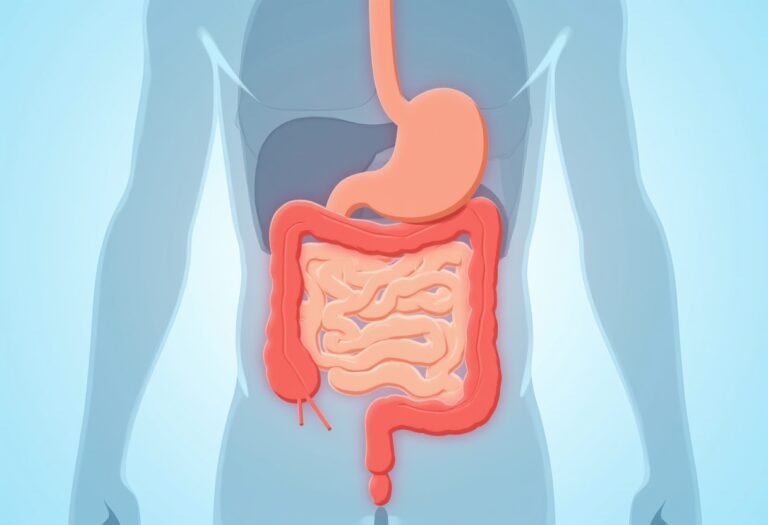
Abdominal bloating is one of the most common digestive complaints seen in clinics today. Patients describe it as tightness, fullness, pressure, or a “swollen stomach” feeling — often worsening after meals and by evening. While many assume bloating is simply due to excess gas, modern gastroenterology shows that the real causes are more complex.
Clinically, bloating and distension are not the same. Bloating is the internal sensation of pressure, while distension is the visible outward expansion of the abdomen. You can feel bloated without visible swelling and some people develop visible distension even when gas volume is normal.
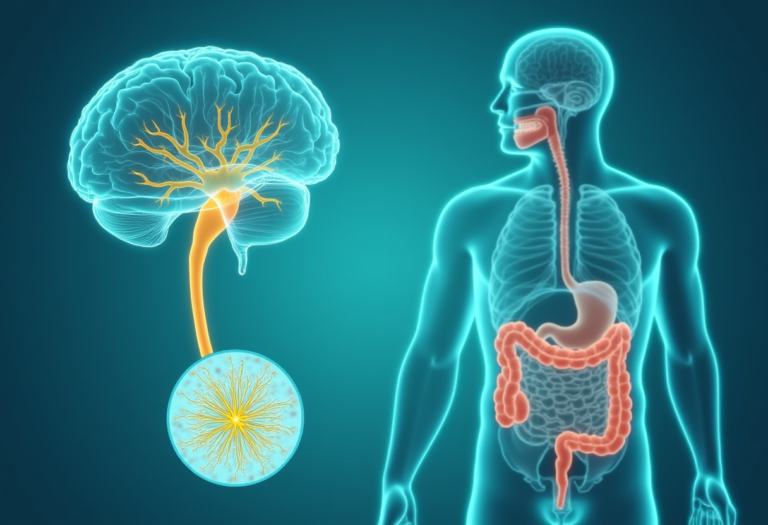
Specialist gut programs including those led by Dr. Gaurang Ramesh at GutHealthDoctor and advanced gastroenterology units at Arka Anugraha Hospital in Bengaluru — now evaluate bloating as a disorder involving gut motility, microbiome balance, and gut-brain signaling, not just “gas trouble.”
This guide explains what abdominal bloating really means, why it happens, how Indian dietary patterns contribute, and what evidence-based treatments work.
What Is Abdominal Bloating?
Abdominal bloating is a subjective sensation of abdominal pressure or fullness caused by altered gut movement, fermentation, sensitivity, or muscular coordination.
It may occur with:
Gas
Slowed gut transit
Food intolerance
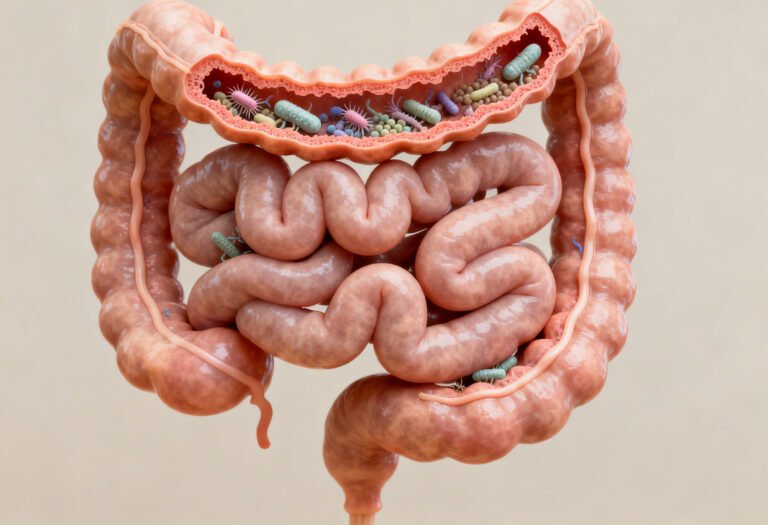
Microbial fermentation
Visceral hypersensitivity
Abdominal wall muscle dysfunction
Bloating vs Distension - Important Difference
Doctors separate these two:
Bloating
Internal sensation
Pressure feeling
Tight waistband feeling
No visible change required
Distension
Visible abdominal enlargement
Measurable girth increase
Often worse by evening
May reduce overnight
Many chronic cases involve both.
How Much Gas Is Normal in the Gut?
The gut normally contains about 150–200 ml of gas at any moment. Daily gas production is much higher but most people pass it without discomfort.
Main gases include:
Nitrogen – swallowed air
Oxygen – swallowed air
Carbon dioxide – digestion reactions
Hydrogen – bacterial fermentation
Methane – produced by methanogen microbes
The problem in bloating is often gas handling, not gas quantity.
Modern Breakthrough: Abdominophrenic Dyssynergia
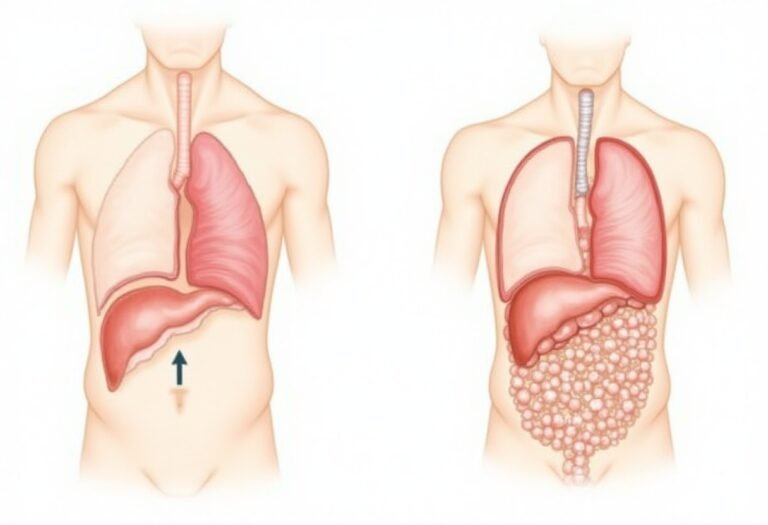
Recent research has identified a key mechanism behind visible distension: abdominophrenic dyssynergia.
Normally after meals:
Diaphragm relaxes upward
Abdominal wall tightens inward
Core remains stable
In functional distension:
Diaphragm contracts downward
Abdominal wall relaxes outward
Abdomen protrudes visibly
Gas volume may be normal but muscle coordination is wrong.
This is now treated with biofeedback therapy in specialist gut centers.
Why Bloating Is So Common in India
Indian dietary patterns increase fermentation load.
High carbohydrate load
Many Indian diets derive over 60% calories from carbohydrates — especially:
White rice
Refined wheat flour (maida)
Processed snacks
These ferment rapidly.
Lactose intolerance prevalence
60–65% of Indians have reduced lactase enzyme.
Milk and dairy may cause:
Gas
Bloating
Loose stools
Cramping
Legumes and pulses
Nutritious but highly fermentable:
Rajma
Chole
Dals
Chickpeas
Contain galacto-oligosaccharides – bacteria ferment them aggressively.
Refined carb problem
Low-quality carbs:
Lack structured fiber
Alter microbiome balance
Increase dysbiosis risk
Promote fermentation symptoms
FODMAP Carbohydrates and Bloating
A major cause of gas and bloating is FODMAP malabsorption.
These are short-chain carbs that are:
Poorly absorbed
Highly fermentable
Osmotically active
Examples:
Lactose – dairy
Fructose – certain fruits
GOS – legumes
Polyols – sugar-free sweeteners
Low-FODMAP protocols are often used in structured gut programs including GutHealthDoctor protocols and hospital GI nutrition clinics such as Arka Anugraha Hospital.
Small Intestinal Bacterial Overgrowth (SIBO)
SIBO occurs when excess bacteria grow in the small intestine.
This causes:
Early fermentation
Excess hydrogen or methane
Severe bloating
Nutrient malabsorption
Risk factors:
Prior gut infection
Long-term PPI use
Gut surgery
Motility disorders
Diagnosed using hydrogen–methane breath testing.
Functional Gut Disorders Linked to Bloating
IBS (Irritable Bowel Syndrome)
Most common functional cause.
Features:
Bloating
Altered stools
Pain relief after bowel movement
Stress sensitivity
Chronic constipation
Slow stool movement traps gas behind stool mass.
Gastroparesis
Delayed stomach emptying → early fullness and upper bloating.
Symptoms Pattern That Suggests Functional Bloating
Typical pattern:
Worse after meals
Progresses during the day
Better in the morning
Associated with belching or gas
No severe pain
No systemic illness signs
Red Flag Symptoms - Need Urgent Evaluation
Bloating should be investigated if associated with:
Unintentional weight loss
Anemia
Blood in stool
Persistent vomiting
New symptoms after age 50
Severe persistent pain
Fluid-like abdominal swelling
These may indicate:
Malabsorption
IBD
Tumor
Liver disease
Ovarian pathology
How Bloating Is Diagnosed
Specialist evaluation is structured.
Clinical assessment
Diet pattern
Symptom timing
Trigger foods
Stress link
Stool pattern
Physical exam
Palpation for masses
Percussion for gas vs fluid
Organ enlargement check
Diagnostic tests
Hydrogen methane breath test
Detects SIBO and carb intolerance
Endoscopy
Checks inflammation, celiac, H. pylori
Imaging
Rules out structural disease
Manometry
Evaluates pelvic floor and motility
These are available in advanced gut programs including GutHealthDoctor and gastroenterology departments at Arka Anugraha Hospital, Bengaluru.