What Are Probiotics? A Complete Gut Health Guide for India
Over the last decade, probiotics have moved from supermarket shelves into serious clinical discussion. In modern gastroenterology, the gut microbiome is no longer seen as a passive digestive companion. It is an active biological organ influencing immunity, metabolism, inflammation, and even mental health.
In India, where digestive complaints such as IBS, bloating, SIBO, and inflammatory bowel disorders are rising, probiotics are increasingly discussed as part of structured gut healing programs.
But what exactly are probiotics? Do they really work? And how should Indian patients choose the right probiotic?
Primary keyword: probiotics for gut health Secondary keywords: best probiotics India, probiotics for IBS, gut microbiome India, probiotic benefits LSI keywords: lactobacillus strains, bifidobacterium benefits, short chain fatty acids, SIBO treatment, functional medicine gut healing
What Are Probiotics?
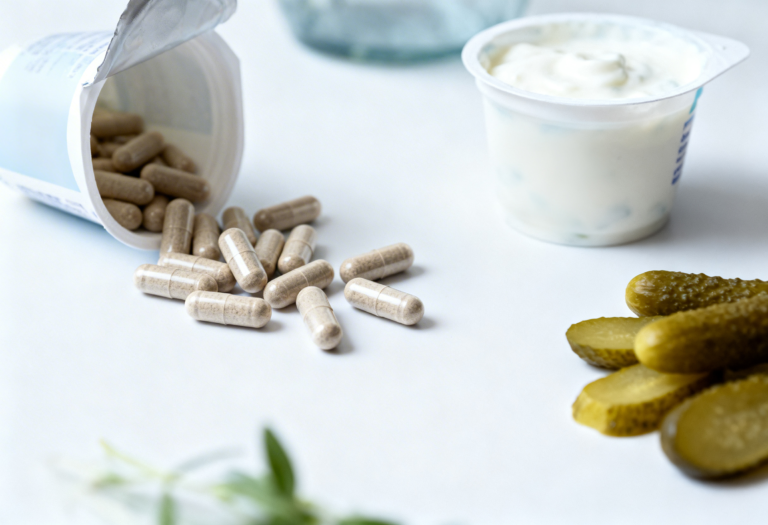
Probiotics are live microorganisms that provide health benefits when consumed in adequate amounts.
Not all bacteria are probiotics. For a strain to qualify:
It must be safe for human use
It must survive stomach acid
It must provide clinically proven benefit
It must be present in sufficient colony forming units
In India, probiotics are regulated under FSSAI as nutraceuticals and health supplements. Labels must specify genus, species, and strain. For example:
Lactobacillus rhamnosus GG
Bifidobacterium lactis BB-12
Saccharomyces boulardii
Strain specificity matters because benefits are strain-dependent.
How Probiotics Work Inside the Gut
Probiotics do not simply “add good bacteria.” Their function is more complex.
1. Strengthening the Gut Barrier
Certain strains stimulate production of mucin and tight junction proteins. This supports intestinal lining integrity and reduces gut permeability.
Butyrate-producing bacteria play a key role here.
2. Producing Short Chain Fatty Acids
When probiotics ferment dietary fibre, they generate:
Butyrate
Acetate
Propionate
Butyrate fuels colon cells and reduces inflammation. Low butyrate levels are linked to IBS, IBD, and metabolic disorders.
3. Competitive Exclusion
Probiotics compete with harmful bacteria for space and nutrients. Some strains produce antimicrobial substances that suppress pathogens.
4. Immune Modulation
Probiotics interact with immune cells in the gut-associated lymphoid tissue. They regulate inflammatory cytokines and improve immune tolerance.
The Indian Gut Microbiome
Indian microbiome patterns differ from Western populations.
Traditional Indian diets high in fibre and fermented foods tend to promote:
Prevotella species
Diverse lactic acid bacteria
Better carbohydrate fermentation
Urbanization and processed diets are reducing microbial diversity.
In Bengaluru and other metropolitan cities, rising antibiotic use and refined carbohydrate consumption are altering gut ecosystems.
Restoring microbiome diversity requires both dietary change and targeted probiotic use.
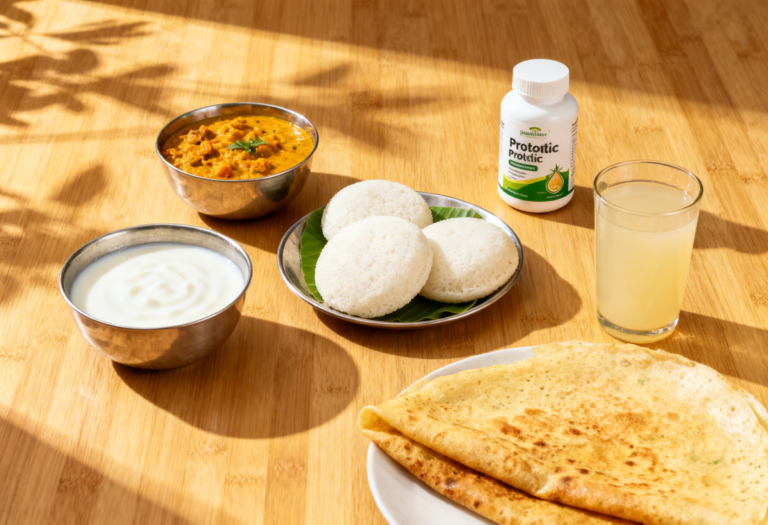
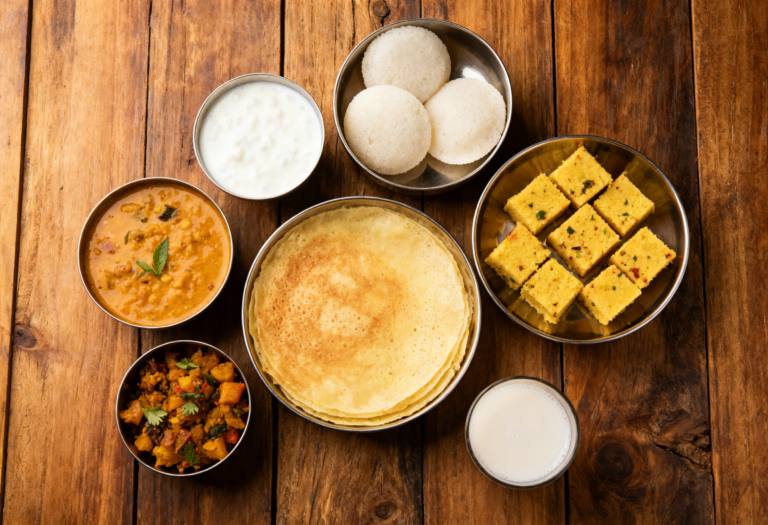
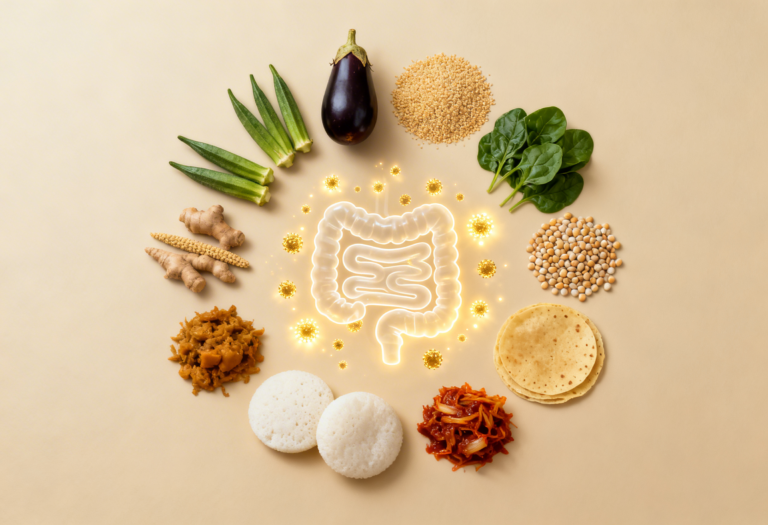
Traditional Indian Fermented Foods as Natural Probiotics
India already has probiotic-rich foods:
Dahi
Idli
Dosa
Kanji
Dhokla
Fermented rice
These foods introduce beneficial bacteria and improve nutrient absorption.
However, for clinical conditions such as IBS or antibiotic-associated diarrhea, food-based probiotics may not provide therapeutic doses.
Probiotics in Irritable Bowel Syndrome
IBS is one of the most common gut disorders seen in Indian clinics.
Different IBS types require different probiotic approaches.
IBS with Diarrhea
Saccharomyces boulardii may reduce stool frequency and improve consistency.
IBS with Constipation
Bifidobacterium lactis strains have shown benefit in improving bowel regularity.
IBS with Bloating
Lactobacillus plantarum 299v has evidence for reducing gas and abdominal distension.
Clinical selection must be personalized. Not every probiotic works for every IBS patient.
At Arka Anugraha Hospital, probiotic therapy is chosen based on symptom pattern and diagnostic evaluation.
Probiotics in Inflammatory Bowel Disease
In Ulcerative Colitis, certain multi-strain combinations have shown benefit in maintaining remission.
In Crohn’s disease, evidence remains limited.
Probiotics should only be used under specialist supervision in IBD.
Probiotics During Antibiotic Use
Antibiotics disrupt normal gut bacteria.
Probiotics such as Lactobacillus rhamnosus GG and Saccharomyces boulardii may reduce the risk of antibiotic-associated diarrhea.
Timing matters. Probiotics should be taken a few hours away from antibiotic doses.
The Functional Medicine Approach
Dr. Gaurang Ramesh integrates probiotics into a structured 5R protocol:
Remove
Eliminate triggers such as infections, SIBO, food intolerances.
Replace
Support digestive enzymes and stomach acid where required.
Reinoculate
Introduce specific probiotic strains and fermented foods.
Repair
Support gut lining with nutrients such as zinc, omega-3 fatty acids, and L-glutamine.
Rebalance
Address stress, sleep, and lifestyle factors.
This approach ensures probiotics are not used blindly but strategically.
Advanced Testing Before Probiotic Therapy
In some cases, probiotics alone may worsen symptoms.
Conditions requiring evaluation include:
Small Intestinal Bacterial Overgrowth
Intestinal Methanogen Overgrowth
Severe dysbiosis
Pancreatic insufficiency
Advanced stool testing can assess:
Inflammation markers
SCFA levels
Microbial diversity
Pathogenic bacteria
Personalized protocols are more effective than generic supplementation.
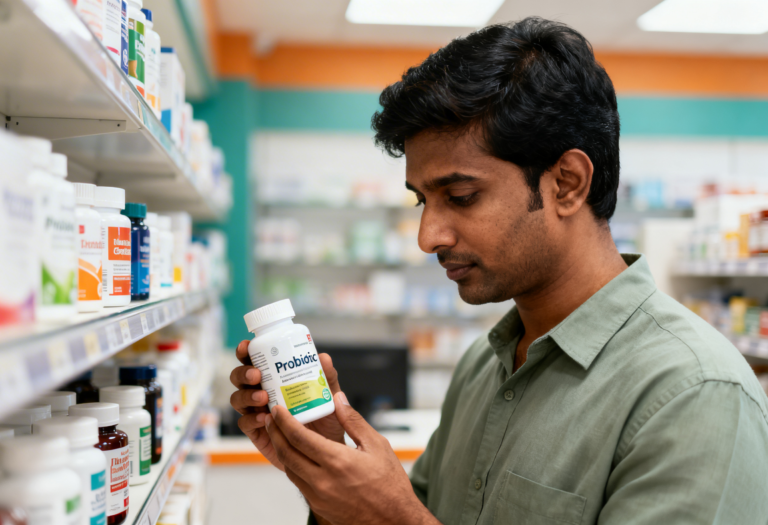
How to Choose the Best Probiotic in India
When selecting a probiotic supplement:
Look for strain-level identification
Check CFU count
Ensure viability until expiry
Choose based on condition
Avoid exaggerated medical claims
Most therapeutic doses range between 1 to 20 billion CFU depending on indication.
When Probiotics May Not Be Appropriate
Avoid self-treatment if you have:
Unexplained weight loss
Blood in stool
High fever
Severe abdominal pain
Immunocompromised status
Medical evaluation is necessary before starting supplements.
Future of Probiotics
Research is evolving toward:
Next-generation probiotics such as Akkermansia muciniphila
Postbiotics, which are beneficial bacterial metabolites
Synbiotics combining prebiotics and probiotics
Personalized microbiome-guided therapy
The future lies in precision gut care rather than one-size-fits-all capsules.
Conclusion
Probiotics are not magic pills. They are biologically active tools that influence the gut ecosystem, immune function, and metabolic regulation.
In India, where microbiome diversity is changing due to diet and lifestyle shifts, targeted probiotic therapy can play a meaningful role in digestive health.
However, selection must be evidence-based and personalized.
For persistent digestive symptoms, structured evaluation combined with dietary correction and appropriate probiotic use offers the best outcomes.
FAQs
What are probiotics used for? They support gut health, reduce IBS symptoms, and help prevent antibiotic-associated diarrhea.
How long should I take probiotics? Most benefits are seen after 4 to 8 weeks of consistent use.
Can probiotics worsen bloating? Yes, especially in SIBO. Medical guidance is recommended.
Are Indian fermented foods enough? For general health yes, but clinical conditions may require supplements.
What is the best probiotic for IBS in India? It depends on IBS type. Strain selection must match symptoms.
Can probiotics help immunity? Yes. They regulate immune response in the gut.
Are probiotics safe for everyone? Generally safe for healthy adults. Immunocompromised patients require caution.
Do probiotics help with weight loss? Indirectly. They influence appetite hormones and insulin sensitivity.
Dr. Gaurang Ramesh
Surgical Gastroenterologist, Functional and Integrative Medicine Practitioner
Expert Landscapers
Lorem ipsum dolor sit amet, consectetur adipiscing elit.
Free Consultation
Lorem ipsum dolor sit amet, consectetur adipiscing elit.
Licensed Company
Lorem ipsum dolor sit amet, consectetur adipiscing elit.