Gluten Sensitivity in India: Understanding Celiac Disease, Wheat Intolerance and Gut Inflammation
Over the last two decades, gluten sensitivity in India has shifted from being considered rare to becoming a significant and often underdiagnosed digestive concern. Many patients today present with chronic bloating, unexplained fatigue, iron deficiency, IBS-like symptoms, or persistent gut discomfort that does not improve with routine antacids or probiotics.
Gluten-related disorders include a spectrum of conditions ranging from autoimmune celiac disease to non-celiac gluten sensitivity and wheat allergy. While all three are triggered by wheat consumption, their immune mechanisms, long-term risks, and management strategies differ significantly.
In urban centers like Bengaluru, changing dietary patterns, increased wheat consumption, processed foods, and better diagnostic awareness have led to a noticeable rise in gluten intolerance cases. Understanding the difference between these conditions is the first step toward accurate diagnosis and long-term gut healing.
What Are Gluten-Related Disorders?
Gluten is a protein found in wheat, barley, and rye. When some individuals consume gluten, their immune system reacts abnormally.
Gluten-related disorders are broadly categorized into:
Celiac disease
Non-celiac gluten sensitivity
Wheat allergy
Each condition involves a different immune pathway.
Celiac Disease: The Autoimmune Form
Celiac disease is a chronic autoimmune disorder that damages the small intestine when gluten is consumed. It occurs in genetically predisposed individuals who carry HLA-DQ2 or HLA-DQ8 genes.
When gluten enters the gut:
The enzyme tissue transglutaminase modifies gluten peptides
The immune system recognizes these peptides as foreign
T-cells attack the intestinal lining
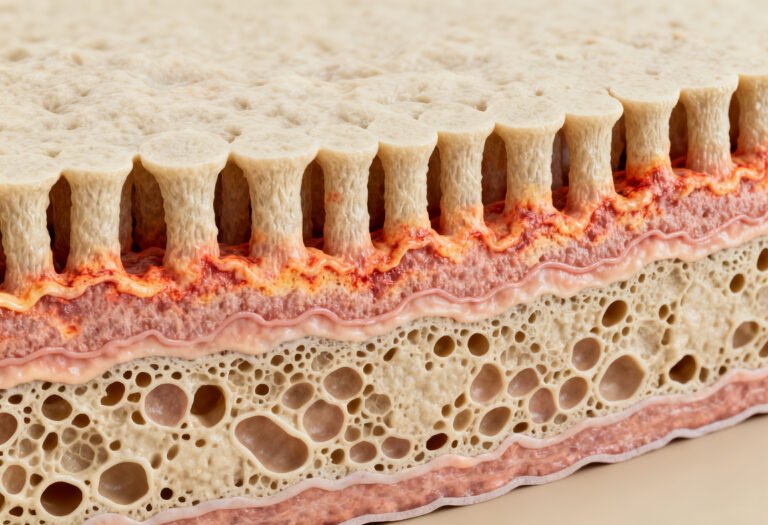
Villous atrophy develops
Villi are finger-like projections in the small intestine that absorb nutrients. When damaged, nutrient absorption declines.
Classic symptoms include:
Chronic diarrhea
Weight loss
Severe anemia
Malnutrition
However, in India, up to 50 percent of patients present with non-classical symptoms such as:
Iron deficiency anemia
Short stature in children
Infertility
Osteoporosis
Recurrent mouth ulcers
Non-Celiac Gluten Sensitivity: The Functional Spectrum
Non-celiac gluten sensitivity, or NCGS, is diagnosed when:
Celiac disease is ruled out
Wheat allergy is excluded
Symptoms improve on gluten removal
Unlike celiac disease:
There is no villous damage
No autoimmune destruction
No long-term malignancy risk
However, symptoms can be equally distressing.
Common complaints include:
Bloating
Abdominal pain
Brain fog
Joint pain
Chronic fatigue
Anxiety
Emerging research suggests that in many cases, fructans, a type of FODMAP found in wheat, may contribute more to symptoms than gluten itself.
Wheat Allergy: Immediate IgE Response
Wheat allergy is a classical allergic reaction mediated by IgE antibodies.
Symptoms occur within minutes to hours and may include:
Hives
Swelling
Vomiting
Breathing difficulty
Anaphylaxis
Unlike celiac disease, some individuals with wheat allergy may tolerate gluten from non-wheat sources, though strict medical supervision is required.
How Gluten Triggers Gut Inflammation
Gluten proteins are rich in proline and glutamine, making them difficult to digest fully.
Incomplete digestion leads to:
Large peptide fragments
Activation of immune pathways
Release of zonulin
Increased intestinal permeability
Zonulin opens tight junctions between intestinal cells. This leads to what is commonly referred to as increased intestinal permeability.
When this barrier weakens:
Toxins enter circulation
Systemic inflammation increases
Extra-intestinal symptoms develop
This explains why gluten sensitivity may affect:
Brain function
Skin
Joints
Hormonal balance
Gluten Sensitivity in India: The Changing Landscape
India historically had lower celiac prevalence in rice-dominant regions.
However, prevalence varies:
North India approximately 1 percent or higher
Northeast intermediate
South India historically lower but increasing
The wheat-rice shift in urban India has changed disease patterns.
In Bengaluru and other metro cities, increased consumption of:
Bread
Biscuits
Instant noodles
Bakery products
has contributed to rising wheat digestion issues.
Underdiagnosis remains a challenge because many patients are treated for IBS or acidity without screening for gluten-related disorders.
Symptoms of Gluten Sensitivity in Adults
Gluten sensitivity symptoms are not limited to the digestive tract.
Gastrointestinal symptoms
Bloating
Gas
Cramping
Alternating diarrhea and constipation
Acid reflux
Neurological symptoms
Brain fog
Poor concentration
Headaches
Tingling in hands or feet
Systemic symptoms
Chronic fatigue
Iron deficiency anemia
Vitamin D deficiency
Joint pain
Skin symptoms
Dermatitis herpetiformis
Persistent eczema
Adult acne
If symptoms persist despite standard IBS treatment, gluten evaluation should be considered.
How Is Celiac Disease Diagnosed?
Diagnosis must be done while the patient is consuming gluten.
Step 1: Serology testing
Tissue transglutaminase IgA
Total IgA levels
Step 2: Upper GI endoscopy with biopsy Multiple biopsies are taken because damage may be patchy.
Step 3: Marsh grading Confirms villous atrophy.
Genetic testing for HLA-DQ2 and HLA-DQ8 can rule out disease if absent.
How Is Non-Celiac Gluten Sensitivity Diagnosed?
There is no specific blood test.
Diagnosis involves:
Excluding celiac disease
Excluding wheat allergy
Trial gluten-free diet for 4 to 6 weeks
Structured gluten reintroduction
Symptom recurrence confirms sensitivity.
Advanced Evaluation at Arka Anugraha Hospital
At Arka Anugraha Hospital in Bengaluru, under the guidance of Dr. Gaurang Ramesh, patients receive a structured evaluation beyond routine blood tests.
This may include:
Endoscopy and biopsy
Hydrogen breath testing to rule out SIBO
Motility assessment
Nutritional deficiency evaluation
Microbiome analysis when required
This approach ensures that symptoms attributed to gluten are not actually due to SIBO, lactose intolerance, or inflammatory bowel disease.
A comprehensive evaluation helps avoid unnecessary lifelong dietary restriction.
Gluten-Free Diet in the Indian Context
India offers many naturally gluten-free options, but hidden sources are common.
Hidden gluten in Indian kitchens
Hing often mixed with wheat flour
Suji and rava made from wheat
Maida used as curry thickener
Contaminated besan
Soy sauce
Malt flavoring
Naturally gluten-free Indian foods
Rice
Bajra
Jowar
Ragi
Rajgira
Kuttu
Traditional dosa and idli batter
Dal and sabzi combinations
Products labeled gluten-free must contain less than 20 ppm gluten as per FSSAI guidelines.
Label reading is essential.
Long-Term Risks of Untreated Celiac Disease
Untreated autoimmune gluten damage can lead to:
Severe anemia
Osteoporosis
Infertility
Recurrent miscarriages
Thyroid disorders
Increased lymphoma risk
Regular follow-up includes:
Repeat antibody testing
Nutritional screening
Bone density testing every 2 to 3 years
Non-celiac gluten sensitivity does not carry the same malignancy risk but may significantly affect quality of life.
When Should You See a Specialist?
Consult a gastroenterologist if:
You have persistent IBS-like symptoms
Iron deficiency does not respond to supplements
You have chronic bloating and fatigue
Family history of celiac disease exists
Symptoms improve when avoiding wheat
Early evaluation prevents years of misdiagnosis.
Dr. Gaurang Ramesh’s integrative gastroenterology framework focuses on root cause assessment rather than symptomatic acid suppression.
Living Well with Gluten Sensitivity
Long-term success involves:
Structured diet planning
Nutritional supplementation where required
Monitoring of vitamin levels
Psychological support if needed
Education about cross-contamination
With proper guidance, patients can maintain gut resilience and systemic health.
Conclusion
Gluten sensitivity in India is no longer rare. It is a complex spectrum of immune-mediated and functional disorders that require careful differentiation.
Understanding whether symptoms are due to celiac disease, non-celiac gluten sensitivity, or wheat allergy is essential before adopting a restrictive diet.
With advanced diagnostics, personalized dietary planning, and multidisciplinary care, long-term recovery and improved gut function are achievable.
If you experience chronic wheat digestion issues or unexplained systemic symptoms, professional evaluation can provide clarity and a structured path forward.
FAQs
What is the difference between gluten sensitivity and celiac disease? Celiac disease is autoimmune and damages the intestine. Gluten sensitivity does not cause permanent villous damage.
How common is gluten intolerance in India? Prevalence varies regionally, but it is increasing in urban populations.
Can gluten sensitivity cause brain fog? Yes, neurological symptoms are common in non-celiac gluten sensitivity.
Should I stop gluten before testing? No. Testing must be done while consuming gluten.
Is rice safe for gluten-sensitive patients? Yes, rice is naturally gluten-free.
Can gluten sensitivity cause infertility? Untreated celiac disease can contribute to fertility issues.
Is gluten-free diet lifelong? For celiac disease, yes. For NCGS, it may vary.
Can children develop gluten sensitivity? Yes. Children may present with growth delay or anemia.
Dr. Gaurang Ramesh
Surgical Gastroenterologist, Functional and Integrative Medicine Practitioner
Expert Landscapers
Lorem ipsum dolor sit amet, consectetur adipiscing elit.
Free Consultation
Lorem ipsum dolor sit amet, consectetur adipiscing elit.
Licensed Company
Lorem ipsum dolor sit amet, consectetur adipiscing elit.