
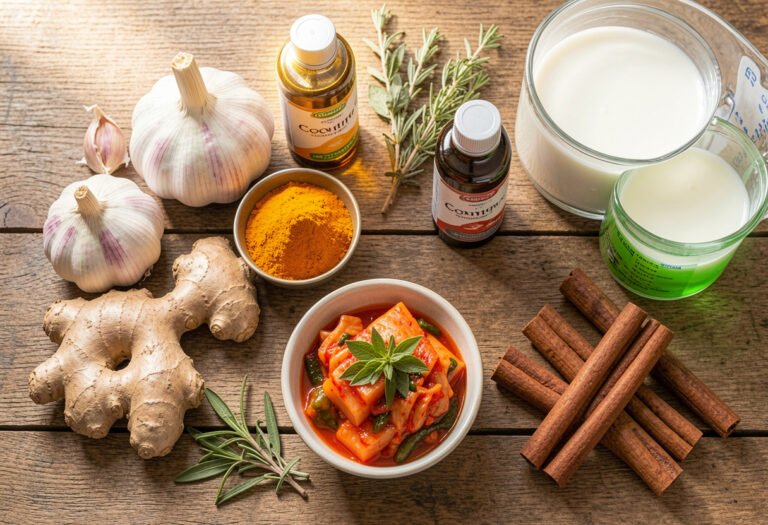
Gut infections, caused by harmful bacteria, viruses, or parasites, are a common cause of digestive distress. These infections can lead to symptoms such as bloating, diarrhea, constipation, abdominal pain, and more. While conventional treatments, like antibiotics, are often used to treat infections, they come with side effects and can contribute to gut dysbiosis (microbial imbalance). A natural, effective approach to combating gut infections involves antimicrobial foods, powerful foods that possess natural properties capable of killing harmful microbes, promoting gut healing, and restoring balance to the microbiome. This blog will explore how specific antimicrobial foods can combat gut infections naturally and support digestive health.
The gut is home to trillions of microorganisms, some beneficial and some potentially harmful. When harmful microbes such as pathogenic bacteria, viruses, or parasites take over, they can lead to infections that disrupt the gut’s normal function. These infections may cause inflammation, digestive issues, and even intestinal permeability (leaky gut), allowing toxins to enter the bloodstream and trigger systemic inflammation.
Gut infections can also lead to more severe conditions, such as Small Intestinal Bacterial Overgrowth (SIBO), Clostridium difficile (C. diff) infections, or gastroenteritis. While medical treatments are essential for certain infections, addressing gut infections naturally with antimicrobial foods can help reduce reliance on antibiotics, restore the gut microbiome, and promote long-term digestive health.
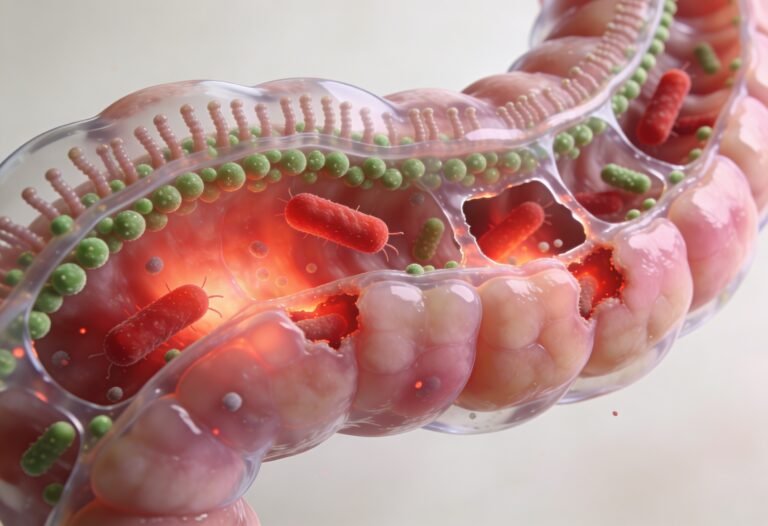
Certain foods contain bioactive compounds that naturally fight off harmful microbes, reduce inflammation, and promote a healthy gut. These foods work by either killing or inhibiting the growth of pathogenic bacteria, viruses, and fungi, while supporting the growth of beneficial microbes. Below are some of the most effective antimicrobial foods for gut health:
Garlic has long been used for its medicinal properties, and modern science has confirmed its potent antimicrobial, antibacterial, and antifungal effects. The active compound allicin is responsible for garlic’s ability to fight off pathogens, including bacteria like H. pylori and Salmonella.
Ginger is not only known for its digestive benefits but also for its antimicrobial properties. It has been shown to inhibit the growth of bacteria like E. coli and Staphylococcus aureus, as well as help reduce gut inflammation caused by infections.
Turmeric, and its active compound curcumin, is renowned for its anti-inflammatory and antimicrobial effects. Curcumin has been shown to inhibit the growth of bacteria, including Candida (a type of yeast) and Clostridium difficile (C. diff), a dangerous gut infection.
Apple cider vinegar has been used as a natural antimicrobial for centuries. Its acidity creates an environment where harmful microbes cannot thrive, and it also contains acetic acid, which helps kill off certain strains of bacteria in the gut.
Coconut oil contains medium-chain triglycerides (MCTs), which have antimicrobial properties, particularly lauric acid and caprylic acid. These compounds have been shown to combat Candida yeast infections, as well as bacterial overgrowth in the intestines.
Oregano oil is a powerful antimicrobial agent. It contains carvacrol, a compound that has been shown to inhibit the growth of harmful bacteria and fungi in the digestive tract, including E. coli and Salmonella.
Fermented foods, such as kimchi, sauerkraut, kefir, and miso, are rich in probiotics, beneficial bacteria that support gut health. These foods help replenish the gut with good bacteria that crowd out harmful pathogens and restore microbial balance.
Introduce gradually & personalize based on tolerance
.
Cinnamon has long been known for its antimicrobial properties, particularly its ability to combat harmful bacteria like E. coli and Salmonella. It also helps to balance blood sugar, which can reduce the growth of harmful gut microbes that thrive on sugar.

Gut infections, whether caused by harmful bacteria, viruses, or fungi, can significantly disrupt digestive function and overall health. By incorporating antimicrobial foods such as garlic, ginger, turmeric, and coconut oil into your diet, you can naturally support your body’s ability to combat infections, restore gut balance, and improve overall digestive health. Additionally, these foods work synergistically to reduce inflammation, promote healthy gut flora, and boost immune function.
For individuals struggling with chronic gut infections or digestive issues, integrating these natural remedies with a healthy lifestyle can lead to significant improvements in gut health. If you’re experiencing persistent symptoms of gut infections, consider booking a consultation with Dr. Gaurang Ramesh at Arka Anugraha Hospital, where personalized care can help address the root causes of digestive issues and restore balance to your gut.
Book your consultation today and start your journey toward better gut health naturally!

Lorem ipsum dolor sit amet, consectetur adipiscing elit.
Lorem ipsum dolor sit amet, consectetur adipiscing elit.
Lorem ipsum dolor sit amet, consectetur adipiscing elit.