Postbiotics: The Next Revolution in Gut Health and Metabolic Healing
For years, gut health conversations focused on probiotics. Live bacteria were considered the heroes of digestion. But modern gastroenterology is now shifting its focus.
The real power of the microbiome may not lie in live bacteria alone, but in what those bacteria produce.
These powerful microbial byproducts are called postbiotics.
Primary keyword: postbiotics Secondary keywords: postbiotic benefits, SCFAs, butyrate, gut microbiome India, postbiotics for IBS LSI keywords: microbiome metabolites, sodium butyrate supplement, gut barrier repair, integrative gastroenterology, functional medicine India
In Bengaluru and across India, rising cases of IBS, inflammatory bowel disease, fatty liver, insulin resistance, and metabolic syndrome are pushing clinicians to explore deeper root causes. Increasingly, that root cause points to disrupted postbiotic production.
What Are Postbiotics?
Postbiotics are bioactive compounds produced by beneficial bacteria.
According to the International Scientific Association for Probiotics and Prebiotics, a postbiotic is:
A preparation of inanimate microorganisms and or their components that provides health benefits.
Unlike probiotics, postbiotics do not contain live bacteria. They include:
Short chain fatty acids such as butyrate
Bacterial cell wall fragments
Enzymes
Peptides
Heat inactivated microbial biomass
Think of it this way:
Prebiotics are the fuel. Probiotics are the workers. Postbiotics are the final products that actually influence your body.
Why Postbiotics Matter More Than You Think
Your gut lining is only one cell thick. It must:
Absorb nutrients
Prevent toxin leakage
Regulate immune response
Communicate with the brain
Postbiotics directly influence all these systems.
1. Strengthening the Gut Barrier
Butyrate, one of the most important postbiotics, is the primary fuel source for colon cells.
It helps:
Increase tight junction protein expression
Improve mucin production
Reduce intestinal permeability
Lower systemic inflammation
Low butyrate levels are often found in patients with IBS, IBD, and metabolic syndrome.
2. Reducing Chronic Inflammation
Postbiotics regulate inflammatory pathways such as NF-kB and reduce cytokines like TNF-alpha and IL-6.
This is critical in conditions such as:
Ulcerative colitis
Crohn’s disease
Autoimmune skin disorders
Chronic fatigue
3. Regulating the Gut Brain Axis
SCFAs stimulate serotonin signaling in the gut. They also influence vagus nerve communication.
This is why patients with poor gut health may experience:
Brain fog
Anxiety
Mood instability
Appetite dysregulation
Gut metabolites influence mental clarity and emotional resilience.
The Indian Gut Microbiome and the Fiber Gap
The Indian microbiome is unique.
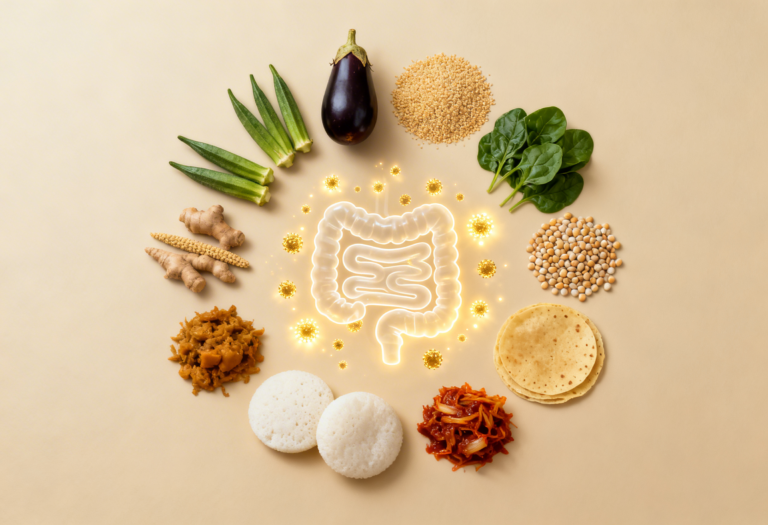
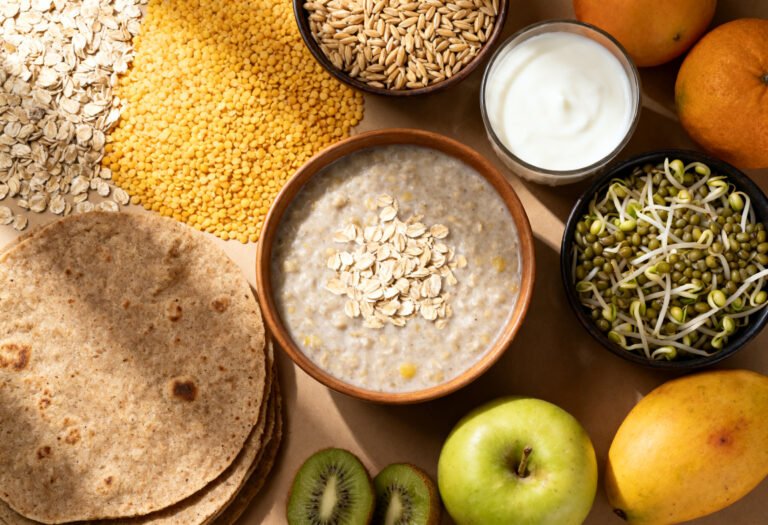
Traditional diets rich in millets, legumes, vegetables, and fermented foods supported high levels of SCFA production.
However, urban dietary shifts toward processed foods have reduced fiber intake.
ICMR 2024 guidelines now recommend:
400 grams of vegetables daily
25 to 30 grams of fiber
At least 50 percent whole grains
Low fiber intake reduces substrate availability for beneficial fermentation. This leads to low postbiotic production.
In South Bengaluru, where lifestyle patterns are rapidly westernizing, clinicians are seeing increasing metabolic disorders linked to microbiome dysfunction.
When Postbiotic Deficiency Shows Up as Symptoms
Postbiotic imbalance rarely announces itself clearly. Instead, it appears as mixed digestive and systemic symptoms.
Digestive Symptoms
Chronic bloating
Constipation or alternating bowel patterns
Reflux
Persistent abdominal discomfort
Metabolic and Systemic Signals
Difficulty losing weight
Insulin resistance
Elevated triglycerides
Skin inflammation
Recurrent infections
Brain fog
These signs often indicate reduced SCFA production and microbial imbalance.
Red flags such as blood in stool, unexplained weight loss, or severe abdominal pain require immediate specialist evaluation.
Postbiotics in IBS and IBD
Irritable Bowel Syndrome
Research shows heat inactivated Bifidobacterium strains can reduce bloating and abdominal pain in IBS patients.
Sodium butyrate supplementation may improve gut lining repair and bowel regularity.
Unlike live probiotics, postbiotics may be better tolerated in patients sensitive to bacterial overgrowth.
Inflammatory Bowel Disease
Butyrate plays a key anti-inflammatory role in ulcerative colitis.
Postbiotics can:
Reduce mucosal inflammation
Enhance regulatory T cell response
Improve remission maintenance
However, these interventions must be supervised by a gastroenterologist.
Why Postbiotics Are Safer in Certain Patients
Postbiotics contain no live bacteria.
This makes them particularly useful for:
Immunocompromised individuals
Post surgical patients
Severe IBD cases
Patients intolerant to probiotics
At Arka Anugraha Hospital, postbiotic strategies are considered in cases where probiotic therapy may not be suitable.
Advanced Testing and Functional Evaluation
Gut health should not rely on guesswork.
Modern functional microbiome analysis includes:
DNA sequencing for microbial diversity
SCFA level assessment
Pathogen overgrowth screening
Inflammatory markers
In hospital settings, structural evaluation through endoscopy or colonoscopy may be necessary when symptoms are severe.
Dr. Gaurang Ramesh integrates functional medicine with clinical gastroenterology to identify whether the problem is structural, inflammatory, metabolic, or microbial.
This avoids unnecessary long term medication use.
Traditional Indian Foods as Natural Postbiotic Sources
India’s culinary heritage is rich in naturally fermented foods that contain microbial metabolites.
Examples include:
Idli and dosa
Dahi
Kanji
Dhokla
Gundruk
Kinema
These foods increase:
Bioavailable B vitamins
SCFA levels
Antioxidant compounds
Digestibility of proteins
However, commercially processed versions may not retain the same benefits.
Slow fermentation methods are key.
The 5R Approach to Restoring Postbiotic Balance
A structured gut healing program may follow five phases:
Remove
Eliminate inflammatory foods and harmful microbes.
Replace
Support digestive enzymes and bile where required.
Reinoculate
Introduce appropriate probiotic strains if tolerated.
Repair
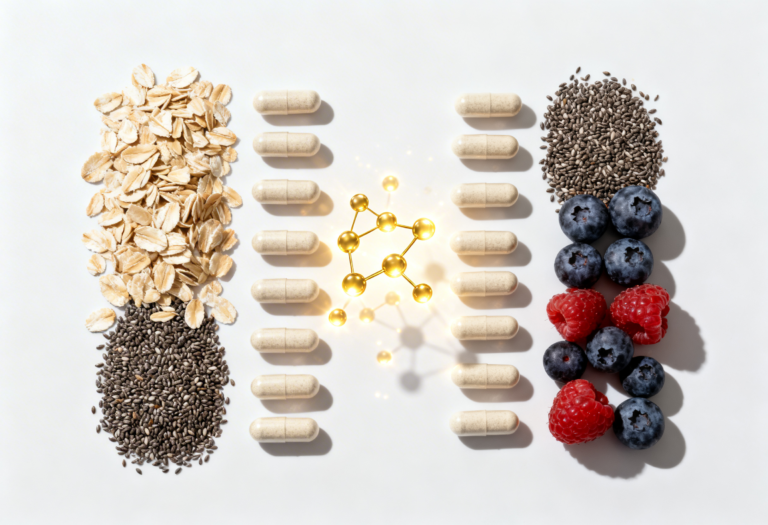
Supplement with postbiotics such as sodium butyrate and nutrients like L glutamine.
Rebalance
Address stress, sleep, and physical activity.
Postbiotics are particularly central in the Repair phase.
Prevention and Long Term Gut Stability
Maintaining healthy postbiotic production requires daily habits:
These lifestyle foundations often determine long term success more than supplements alone.
When to Consult a Specialist
Seek medical evaluation if you experience:
Digestive symptoms lasting more than 6 months
Family history of colon cancer
Persistent IBS symptoms despite probiotics
Severe bloating with weight loss
Chronic fatigue linked to gut issues
At Arka Anugraha Hospital, consultations combine dietary assessment, microbiome testing, and structured clinical evaluation to create personalized gut recovery plans.
The goal is not symptom suppression but metabolic restoration.
Conclusion
Postbiotics represent the metabolic language of the microbiome.
They are not trends or marketing terms. They are measurable biochemical signals that regulate inflammation, immunity, and energy balance.
For Indian patients facing rising digestive and metabolic disorders, understanding postbiotics offers a powerful new perspective on gut health.
The future of gastroenterology is not just about adding bacteria. It is about restoring functional microbial chemistry.
FAQs
Are postbiotics better than probiotics? They are not better or worse. They serve different purposes. Postbiotics may be safer in immunocompromised patients.
What is sodium butyrate used for? It supports gut lining repair and reduces inflammation in IBS and IBD.
Can postbiotics help with weight loss? They improve insulin sensitivity and appetite regulation indirectly.
Are postbiotics available in India? Yes. They are available as sodium butyrate supplements and specialized formulations.
Can children take postbiotics? Generally yes, but always consult a pediatric specialist first.
Do postbiotics survive cooking? Yes. They are heat stable unlike live probiotics.
How do I know if my SCFA levels are low? Advanced stool testing can measure butyrate, acetate, and propionate levels.
Can postbiotics help with anxiety? They influence the gut brain axis and may support mood regulation.
Dr. Gaurang Ramesh
Surgical Gastroenterologist, Functional and Integrative Medicine Practitioner
Expert Landscapers
Lorem ipsum dolor sit amet, consectetur adipiscing elit.
Free Consultation
Lorem ipsum dolor sit amet, consectetur adipiscing elit.
Licensed Company
Lorem ipsum dolor sit amet, consectetur adipiscing elit.