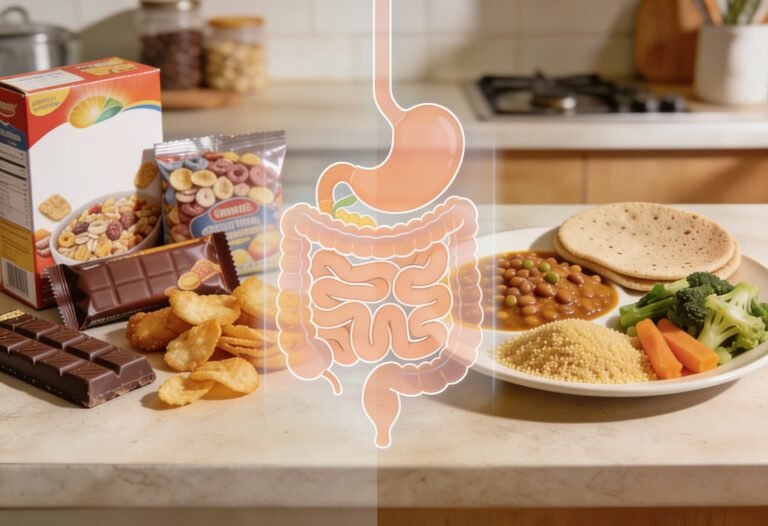
The Impact of Sugar on Gut Health and Its Connection to Metabolic Disorde

Introduction

Sugar consumption has been a hallmark of modern diets, but its impact on health goes far beyond weight gain and blood sugar spikes. Recent research shows that excessive sugar intake significantly alters the delicate ecosystem in our gut, contributing to a host of systemic issues, including chronic inflammation and metabolic disorders like insulin resistance, fatty liver disease, and obesity. This blog will explore how sugar affects gut health, the physiological mechanisms behind it, and how it connects to chronic conditions. We will also discuss the 5R Protocol used at Arka Anugraha Hospital for treating gut inflammation and restoring metabolic balance.
The Relationship Between Sugar and Gut Health

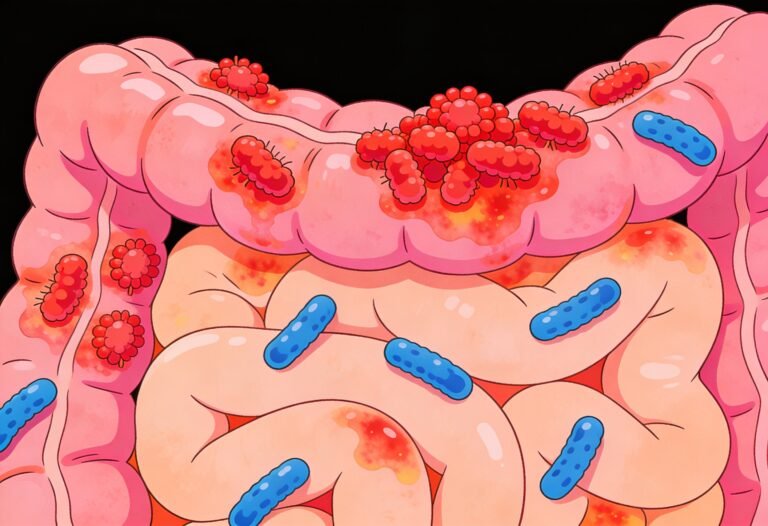
The gut is home to trillions of microorganisms that collectively form the gut microbiome, a crucial part of our digestive system. The microbiome plays a pivotal role in digestion, immune function, and overall metabolic health. However, modern diets particularly those high in refined sugars and simple carbohydrates have caused significant disruptions to the gut microbiome, leading to a condition known as gut dysbiosis.

Gut dysbiosis occurs when the balance between beneficial and harmful microbes in the gut is disturbed. When the gut microbiome is exposed to excessive sugar, it alters microbial diversity, favoring sugar-utilizing microbes over beneficial bacteria. This imbalance contributes to inflammation, reduced gut barrier integrity, and the development of systemic diseases.

Impact of Sugar on the Gut Microbiome

Refined sugars such as glucose, fructose, and sucrose are common in processed foods and have a profound impact on the gut microbiome. These sugars promote the growth of pathogenic bacteria that thrive on simple sugars, displacing beneficial bacteria that are essential for gut health.

Under normal conditions, the gut microbiome ferments dietary fiber to produce short-chain fatty acids (SCFAs) like butyrate, propionate, and acetate. These SCFAs are critical for maintaining a healthy gut barrier, regulating inflammation, and supporting metabolic functions. However, when sugar is over-consumed, it reduces the production of SCFAs and disrupts the microbial diversity of the gut.

This shift in the microbiome creates an environment that favors pathogenic microbes and decreases the population of beneficial bacteria like Bacteroidetes, which help maintain gut health and regulate inflammation. This imbalance, known as dysbiosis, weakens the intestinal lining, increasing intestinal permeability (often called “leaky gut”), and allows harmful substances to enter the bloodstream.

Sugar's Role in Gut Inflammation

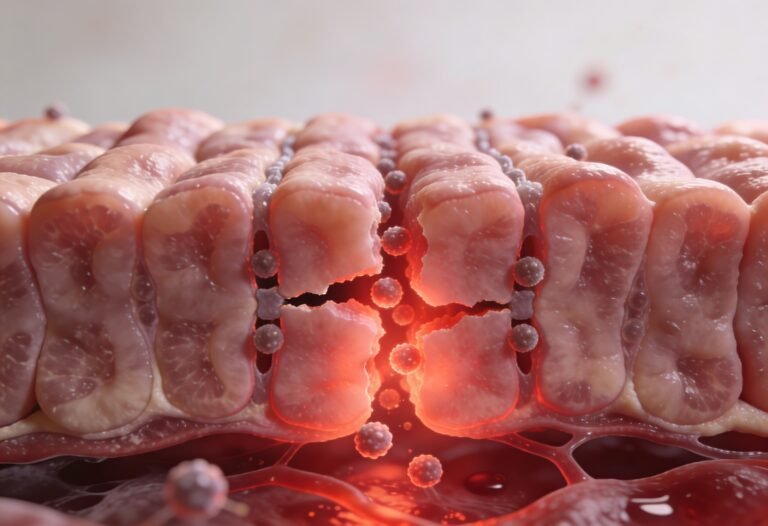
When the intestinal barrier becomes compromised, substances like lipopolysaccharides (LPS) toxins found on the outer membrane of Gram-negative bacteria can enter the bloodstream. LPS triggers a powerful immune response, resulting in systemic inflammation. This process, known as metabolic endotoxemia, has been linked to a variety of chronic conditions, including insulin resistance, obesity, and non-alcoholic fatty liver disease (NAFLD).

High sugar intake, particularly fructose, has been shown to weaken the tight junctions that hold epithelial cells together in the intestinal lining. As a result, the gut becomes more permeable, allowing toxins and undigested food particles to pass into the bloodstream. This initiates an immune response, which leads to chronic low-grade inflammation throughout the body.
How Sugar-Induced Gut Inflammation Leads to Metabolic Disorders

The impact of sugar on gut health is not limited to digestive symptoms. Chronic gut inflammation caused by excessive sugar consumption plays a central role in the development of various metabolic disorders:

  1. Insulin Resistance and Type 2 Diabetes:
    • Metabolic endotoxemia triggered by LPS disrupts insulin signaling pathways, leading to insulin resistance. Over time, this impairs the body’s ability to regulate blood glucose, increasing the risk of type 2 diabetes.
  2. Non-Alcoholic Fatty Liver Disease (NAFLD):
    • Excess sugar, particularly fructose, is metabolized by the liver into triglycerides, contributing to fat accumulation. Over time, this can lead to NAFLD, a condition characterized by fat buildup in the liver without alcohol consumption.
  3. Obesity:
    • The imbalance in gut bacteria increases the efficiency with which the body extracts calories from food, contributing to weight gain. Additionally, the chronic inflammation promoted by sugar intake interferes with metabolic regulation, promoting fat storage, particularly in the abdominal area.
  4. Cardiovascular Disease:
    • High sugar consumption promotes the production of trimethylamine-N-oxide (TMAO), a compound linked to atherosclerosis and heart disease. Elevated levels of LPS in the blood further damage the endothelial lining of blood vessels, contributing to plaque formation.
  5. Cognitive Impairment:
    • The gut-brain axis is responsible for communication between the gut and the brain. Chronic gut inflammation can lead to neuroinflammation, contributing to conditions like brain fog, depression, and anxiety.

Diagnosis and Testing for Sugar-Induced Gut Dysfunction

Diagnosing sugar-induced gut inflammation requires advanced diagnostic techniques that go beyond traditional tests. At Arka Anugraha Hospital, we use cutting-edge functional tests, including:

  • Comprehensive stool analysis: To assess microbial diversity and detect inflammation markers in the gut.
  • Breath testing: To diagnose Small Intestinal Bacterial Overgrowth (SIBO), which is a common cause of bloating and digestive discomfort.
  • Functional metabolic panels: To identify early signs of insulin resistance and other metabolic disruptions.
  • Intestinal permeability markers: To assess the integrity of the gut barrier and detect leaky gut.

These tests help us pinpoint the root causes of gut inflammation and provide a comprehensive plan for treatment.

Treatment Strategies for Gut Inflammation Caused by Sugar

At Arka Anugraha Hospital, we utilize an integrative approach to heal the gut and restore metabolic balance. The cornerstone of our treatment plan is the 5R Protocol, which includes:
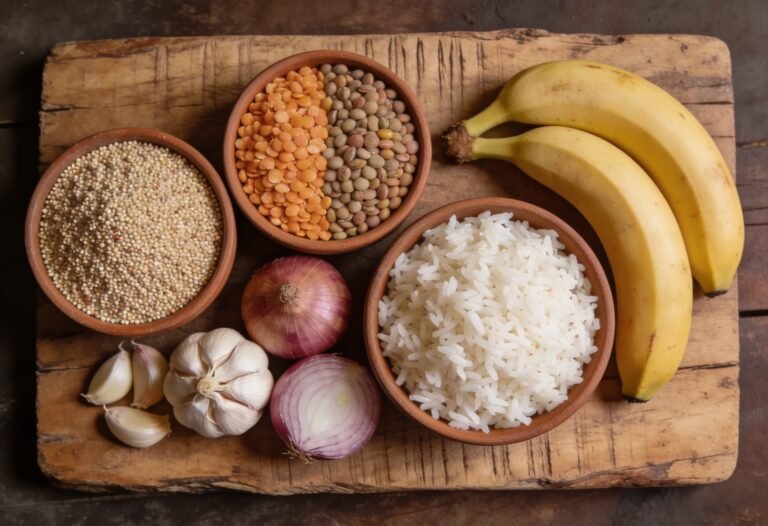
  1. Remove: Eliminate harmful substances like refined sugars, processed foods, and pathogens that contribute to gut dysfunction.
  2. Replace: Support digestion with digestive enzymes, hydrochloric acid, and bile salts to improve nutrient absorption and prevent further gut irritation.
  3. Reinoculate: Restore a healthy microbiome with targeted probiotics and prebiotics to enhance microbial diversity and promote gut health.
  4. Repair: Use specific nutrients like L-Glutamine, zinc, and omega-3 fatty acids to repair the intestinal lining and strengthen the gut barrier.
  5. Rebalance: Focus on lifestyle changes such as stress management, sleep optimization, and physical activity to sustain long-term gut health.

When to Seek Medical Help

If you’re experiencing persistent symptoms such as fatigue, brain fog, digestive discomfort, or joint pain, it may be a sign that your gut health is compromised. Seeking early medical intervention is crucial to prevent long-term health issues. Dr. Gaurang Ramesh at Arka Anugraha Hospital specializes in diagnosing and treating gut inflammation through advanced functional medicine and personalized care.

Conclusion

Excessive sugar consumption is a major contributor to gut inflammation, which in turn is a driving factor behind a range of chronic diseases, including insulin resistance, fatty liver disease, obesity, and neuroinflammation. By understanding the link between sugar and gut health, individuals can take proactive steps to restore their gut microbiome and metabolic function. At Arka Anugraha Hospital, we use a comprehensive approach to treat gut dysfunction, helping patients achieve long-term health through targeted diagnostics and personalized treatments.

Book your consultation today and start your journey toward better health and vitality.

Frequently Asked Questions (FAQs)

    1. How exactly does sugar lead to a “leaky gut”?
      Excessive sugar consumption creates an environment that promotes the growth of harmful bacteria, which produce metabolites that damage the tight junctions between intestinal cells, allowing toxins to enter the bloodstream.
    2. Can sugar consumption cause mental health symptoms like anxiety or brain fog?
      Yes. Gut inflammation caused by sugar disrupts the production of mood-regulating neurotransmitters like serotonin, leading to neuroinflammation and symptoms such as anxiety and brain fog.
    3. I have normal blood sugar on my annual physical. Does this mean I am safe from metabolic damage?
      Not necessarily. Standard blood tests often don’t detect early-stage metabolic disruptions, such as insulin resistance. Advanced functional testing can identify hidden imbalances before they lead to chronic disease.
    4. Are natural sugars in fruit as bad as added sugars?
      No. The sugars in whole fruits are accompanied by fiber, antioxidants, and water, which help slow absorption and support gut health. Added sugars, on the other hand, are refined and concentrated, leading to rapid insulin spikes and gut damage.
    5. What are the best supplements for repairing a damaged gut lining?
      Supplements like L-Glutamine, zinc, and omega-3 fatty acids are highly effective for gut repair, but they should be part of a comprehensive treatment plan that includes dietary changes and functional testing.
    6. How long does it take to see improvements in gut health?
      Improvement can begin within days of making dietary changes, but full healing of the gut lining and the restoration of metabolic function typically takes several months of consistent care.
    7. What is metabolic endotoxemia?
      It is a condition where bacterial toxins, like lipopolysaccharides (LPS), enter the bloodstream through a “leaky gut,” causing chronic low-grade inflammation and contributing to insulin resistance and fatty liver disease.
    8. How is the approach at ARKA Anugraha Hospital different from a regular gastroenterologist?
      Dr. Gaurang Ramesh takes a functional, integrative approach, using advanced diagnostics to uncover the root causes of gut issues and providing a personalized, systems-based treatment plan to restore balance.

Dr. Gaurang Ramesh

Surgical Gastroenterologist, Functional and Integrative Medicine Practitioner
Expert Landscapers

Lorem ipsum dolor sit amet, consectetur adipiscing elit.

Free Consultation

Lorem ipsum dolor sit amet, consectetur adipiscing elit.

Licensed Company

Lorem ipsum dolor sit amet, consectetur adipiscing elit.

Recent Blogs