

The liver is often referred to as the body’s “silent worker” due to its essential but often underappreciated role in various bodily functions. It acts as the central hub for metabolic processes, helping to process nutrients, store energy, and detoxify harmful substances. However, its connection to digestive health is equally vital, as the liver’s role in digestion goes far beyond detoxification. In this blog, we will explore how the liver contributes to digestion, its relationship with the gut microbiome, and how issues like gut inflammation and excessive sugar consumption can disrupt liver function. Additionally, we’ll highlight the gut-liver axis, the pathway through which the two organs communicate, and how metabolic disorders can develop when this connection is compromised.
The liver plays a foundational role in digestion by producing bile, a fluid essential for the breakdown and absorption of dietary fats. Every day, the liver synthesizes 800–1,000 milliliters of bile, which aids in emulsifying fats in the small intestine, allowing digestive enzymes to break them down into absorbable components. Without this critical step, fat digestion would be impaired, leading to malabsorption and gastrointestinal distress.
In addition to bile production, the liver serves as a metabolic refinery, processing nutrients absorbed from the digestive tract. Once nutrients pass through the intestinal barrier, they are directed to the liver for further processing. This process ensures that glucose, amino acids, and lipids are metabolized appropriately, contributing to the body’s energy balance and overall health.
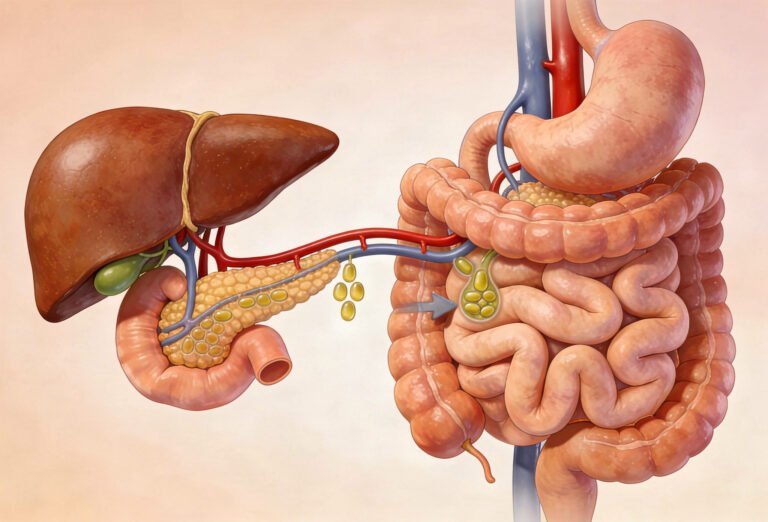
The gut-liver axis represents a complex bidirectional communication system between the gut and the liver. This connection is essential for regulating immune function, digestion, and metabolism. When the gut barrier is compromised, a condition known as increased intestinal permeability or “leaky gut,” harmful substances like toxins and bacteria can enter the bloodstream and reach the liver.
Once these substances enter the liver, they can trigger a pro-inflammatory response that affects both liver and gut health. For instance, lipopolysaccharides (LPS), toxins from gut bacteria, can cross the intestinal barrier and activate immune cells in the liver, leading to metabolic endotoxemia—a chronic low-grade inflammation that affects multiple organs, including the liver.
Moreover, the liver influences gut health through the secretion of bile acids, which regulate the composition of the gut microbiome, preventing the overgrowth of pathogenic bacteria. This reciprocal relationship is critical for maintaining metabolic balance and digestive function.
Excessive sugar consumption, particularly in the form of fructose and high-fructose corn syrup, is one of the leading contributors to gut dysbiosis (microbial imbalance) and liver dysfunction. The Western diet, which is high in refined sugars, promotes the growth of pathogenic bacteria in the gut, displacing beneficial microbes that regulate digestion and immune responses.
When the gut microbiome is disrupted by sugar, the liver suffers as well. The liver is responsible for metabolizing fructose, and when consumed in excess, fructose is converted into fatty acids in the liver through a process called de novo lipogenesis. This leads to fat accumulation in the liver, contributing to non-alcoholic fatty liver disease (NAFLD).
Furthermore, the shift in the gut microbiome caused by excessive sugar consumption leads to a reduction in the production of short-chain fatty acids (SCFAs), which are essential for maintaining gut barrier integrity. This, in turn, weakens the intestinal lining, allowing toxins to enter the bloodstream and increasing systemic inflammation.
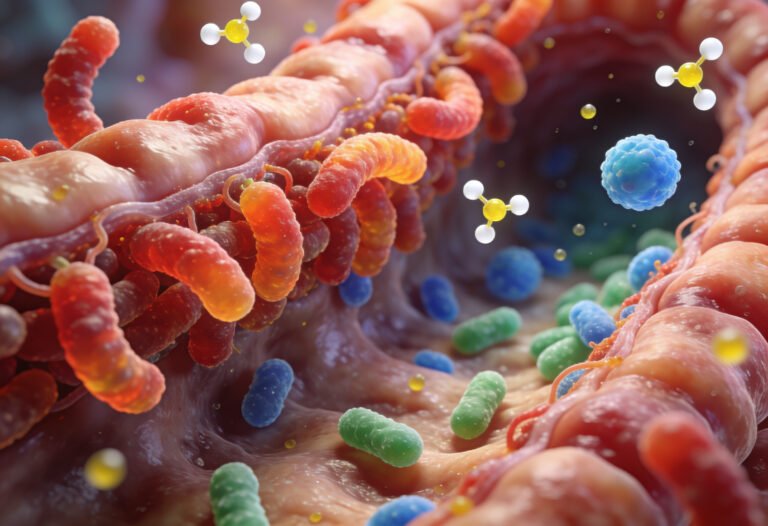
When the gut becomes inflamed due to high sugar intake, it creates a cascade of metabolic disruptions that affect the liver and other organs. The most common metabolic issues linked to sugar-induced gut inflammation include:
At Arka Anugraha Hospital, diagnosing gut and liver dysfunction requires advanced tests that go beyond conventional screening. The standard liver enzyme panels and blood tests may miss early-stage dysfunction, which is why we use cutting-edge functional diagnostics such as:
These tests provide a comprehensive understanding of how sugar impacts the gut and liver and allow for targeted treatment strategies.

At Arka Anugraha Hospital, we utilize the 5R Protocol to restore balance in the gut and liver:
This comprehensive approach helps treat the root causes of gut and liver dysfunction, offering long-term relief and better overall health.
If you experience persistent digestive discomfort, fatigue, or symptoms like brain fog, joint pain, or skin issues, it may be a sign that your gut and liver are under stress. Dr. Gaurang Ramesh at Arka Anugraha Hospital specializes in diagnosing and treating conditions related to gut inflammation, liver dysfunction, and metabolic disorders. Early intervention can help prevent long-term complications and restore your overall health.
Sugar consumption is a major contributor to gut inflammation and liver dysfunction. By understanding the connection between sugar, gut health, and liver function, individuals can take proactive steps to improve their health. At Arka Anugraha Hospital, we offer advanced diagnostic tools and personalized treatment plans to help you restore balance and vitality through the 5R Protocol. Don’t wait for symptoms to worsen—take control of your health today.
Book your consultation today and start your journey towards better gut and liver health.
Lorem ipsum dolor sit amet, consectetur adipiscing elit.
Lorem ipsum dolor sit amet, consectetur adipiscing elit.
Lorem ipsum dolor sit amet, consectetur adipiscing elit.