What Is Constipation? Causes, Symptoms & When to See a Specialist

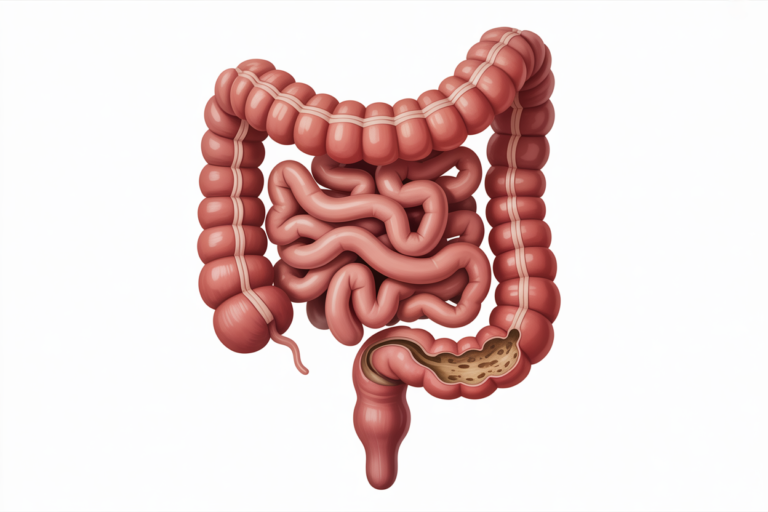
Constipation is one of the most common digestive complaints yet one of the most misunderstood. Many people think constipation simply means “not passing stool daily.” In medical reality, constipation includes hard stools, excessive straining, incomplete evacuation, or a feeling of blockage even if bowel movements happen every day.

Across India, especially in urban populations like Bengaluru, chronic constipation is rising due to sedentary lifestyle, low fiber intake, dehydration, stress, and gut brain axis imbalance.

Specialist gut clinics including programs led by Dr. Gaurang Ramesh at GutHealthDoctor and gastroenterology units at Arka Anugraha Hospital now evaluate constipation as a functional and physiological disorder, not just a diet problem.

Let’s understand constipation properly from mechanism to treatment.

What Is Constipation?

Constipation is a condition where bowel movements become:

  • Infrequent
  • Difficult to pass
  • Hard in consistency
  • Incomplete in evacuation

Medical definitions include:

  • Fewer than 3 bowel movements per week
    or
  • Regular stools but with straining, hardness, or blockage feeling

Modern gastroenterology uses symptom quality, not just frequency, to diagnose constipation.

Primary keyword: constipation
Secondary keywords: chronic constipation causes, hard stool problem
LSI keywords: difficult bowel movement, incomplete evacuation, slow bowel transit

What Is Considered Normal Bowel Movement?

Normal bowel patterns vary:

  • 3 times per day to 3 times per week can be normal
  • No pain
  • No straining
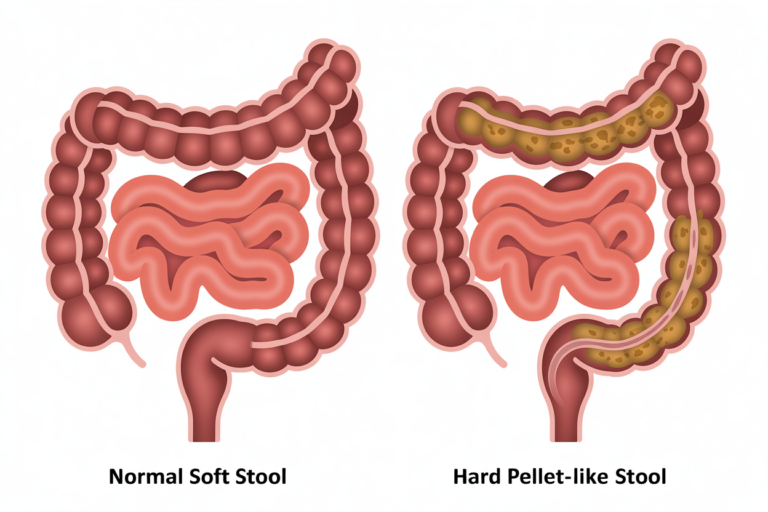
  • Soft formed stool
  • Complete emptying feeling

If stool is hard, painful, or incomplete it is clinically constipation even if daily.

How Normal Defecation Works

Passing stool is a coordinated neuromuscular process involving:

1️⃣ Colon transit

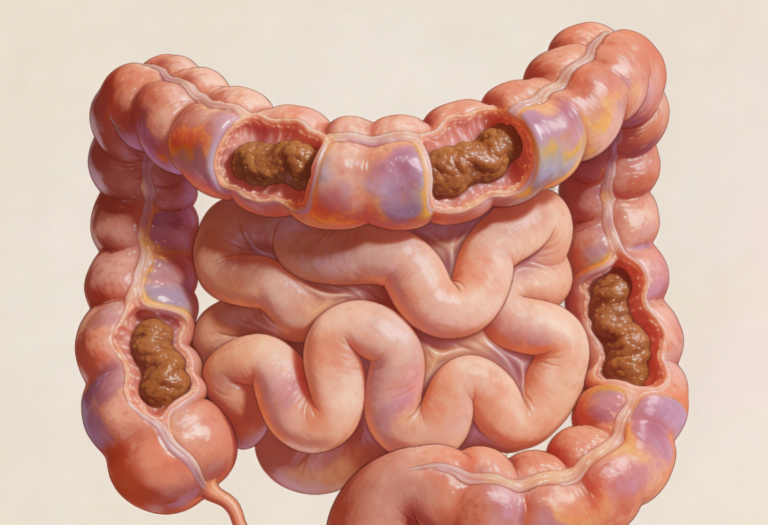
Colon muscles push stool forward while absorbing water.

If movement is slow → stool becomes dry and hard.

2️⃣ Rectal sensing

When stool reaches rectum, stretch sensors signal the urge to pass stool.

If urge is repeatedly ignored → signals weaken.

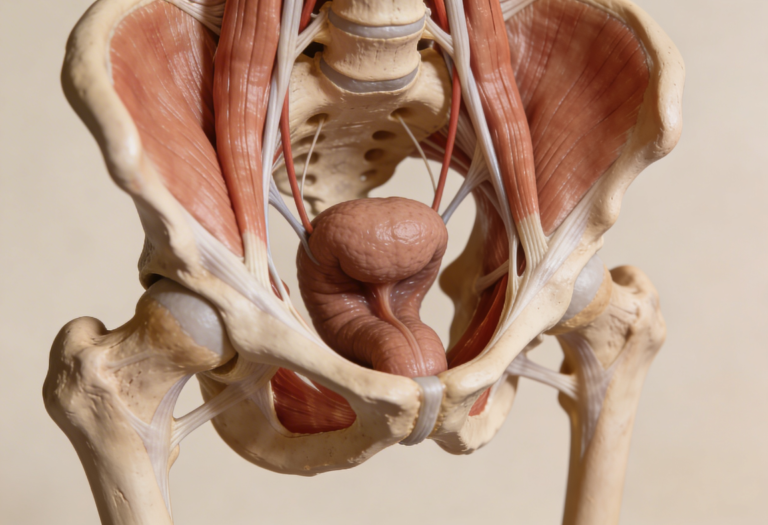
3️⃣ Pelvic floor relaxation

To pass stool:

  • Abdominal muscles push
  • Anal sphincter relaxes
  • Pelvic floor opens


If muscles tighten instead of relaxing → outlet constipation occurs.

This is called dyssynergic defecation — very common but often missed.

Types of Constipation

Slow transit constipation

Colon movement is sluggish
Stool dries excessively

Outlet obstruction constipation

Pelvic floor coordination problem
Patient pushes but exit remains closed

IBS-C (Constipation predominant IBS)

Constipation with bloating and abdominal pain
Gut brain axis driven

Secondary constipation

Due to disease, hormones, or medication

Common Causes of Constipation

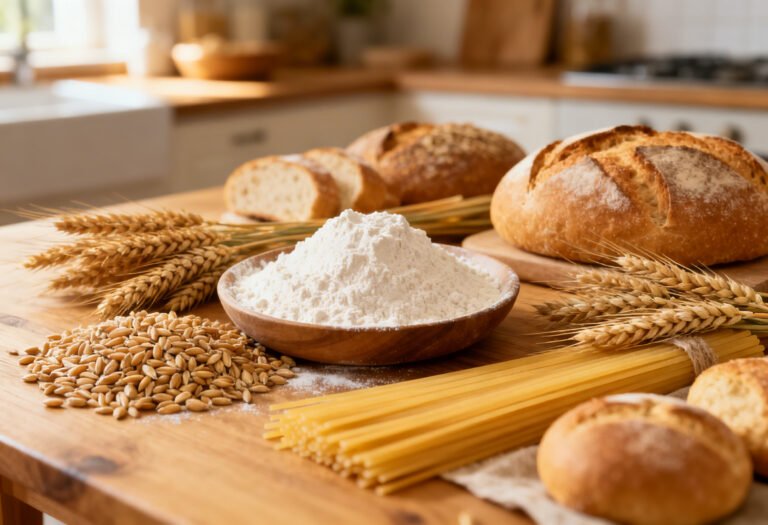
Low fiber diet

Most common cause in Indian diets today.

Refined foods replacing traditional grains:

  • White rice
  • Maida products
  • Processed snacks

Fiber adds bulk and softness to stool.

Inadequate water intake

Fiber without water worsens constipation.

Sedentary lifestyle

Movement stimulates bowel reflexes.
Desk jobs and long sitting reduce gut motility.

Ignoring bowel urge

Repeated suppression causes rectal desensitization.

Common in:

  • busy work schedules
  • travel
  • poor toilet access

Stress and gut brain axis

Stress suppresses digestive nerve activity and slows bowel movement.

Medical causes

  • Hypothyroidism
  • Diabetes neuropathy
  • Parkinson’s disease
  • Electrolyte imbalance

Medication causes

Very common and often overlooked:

  • Iron supplements
  • Opioid painkillers
  • Antacids with calcium
  • Anticholinergics
  • Some BP medicines


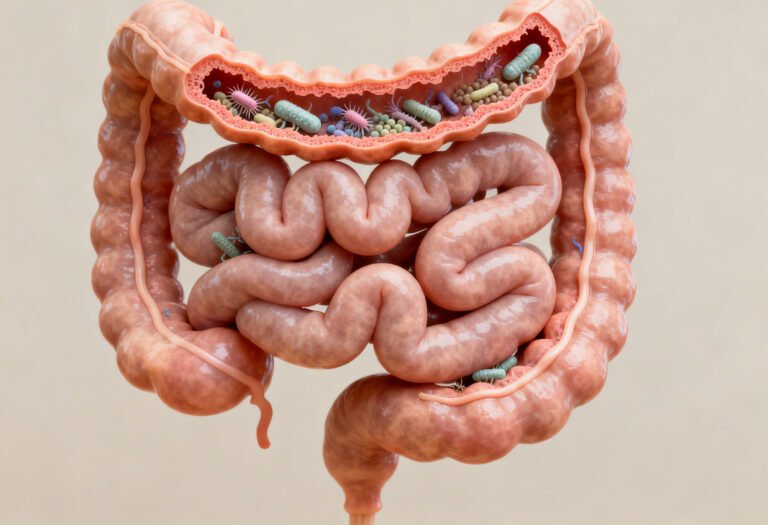
Methane SIBO / IMO

Methane-producing microbes slow gut transit significantly.

Often seen with:

  • severe bloating
  • gas trapping
  • stubborn constipation


Specialist testing may be required commonly done in advanced gut programs including GutHealthDoctor and tertiary GI centers such as Arka Anugraha Hospital.

Symptoms of Constipation

  • Hard stools
  • Straining
  • Incomplete evacuation
  • Feeling blocked
  • Bloating
  • Gas
  • Lower abdominal discomfort
  • Repeated toilet visits
  • Manual assistance needed

Bristol Stool Chart (Clinical Tool)

Constipation usually shows:

  • Type 1 hard pellets
  • Type 2 lumpy sausage


Ideal stool = Type 3–4.

Red Flag Symptoms See a Specialist Urgently

Do not ignore constipation if accompanied by:

  • Blood in stool
  • Unexplained weight loss
  • Anemia
  • Severe abdominal pain
  • New onset after age 50
  • Pencil-thin stools
  • Family history of colon cancer

These require colon evaluation.

How Constipation Is Diagnosed

Specialist evaluation goes beyond diet advice.

Clinical assessment

  • Symptom duration
  • Diet review
  • Medication review
  • Stool pattern
  • Straining severity

Digital rectal exam

Checks:

  • sphincter tone
  • stool impaction
  • pelvic coordination

Advanced tests (when needed)

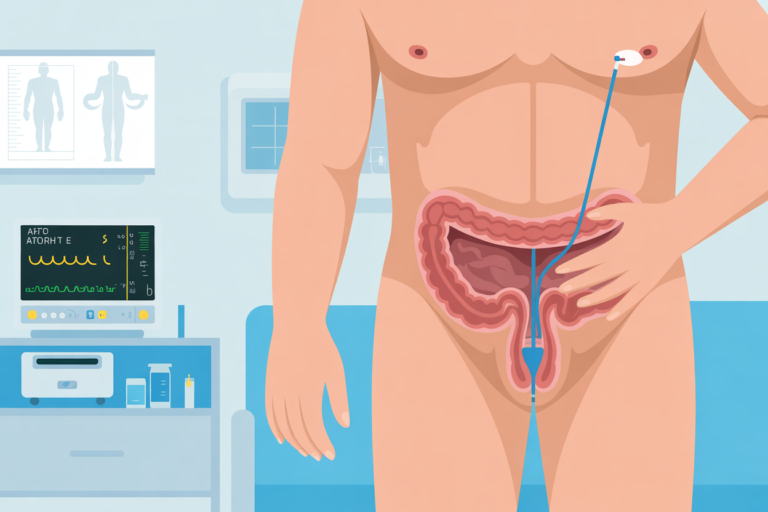
Anorectal manometry

Measures muscle coordination

Balloon expulsion test

Checks evacuation ability

Colonic transit study

Measures stool movement speed

Defecography

Visualizes pelvic floor mechanics

Breath test

Detects methane SIBO

These are available in specialist gut motility centers including GutHealthDoctor programs and hospital GI labs such as Arka Anugraha Hospital

Treatment Options for Constipation

Treatment depends on type, not one-size-fits-all.

Diet & Lifestyle

Increase fiber gradually

Target: 25–30g/day

Indian high-fiber foods:

  • Ragi
  • Bajra
  • Jowar
  • Moong dal
  • Chana
  • Vegetables
  • Fruits

Psyllium (Isabgol)

Effective soluble fiber
Must take with water

Hydration

2.5–3 liters daily

Warm morning water helps bowel reflex.

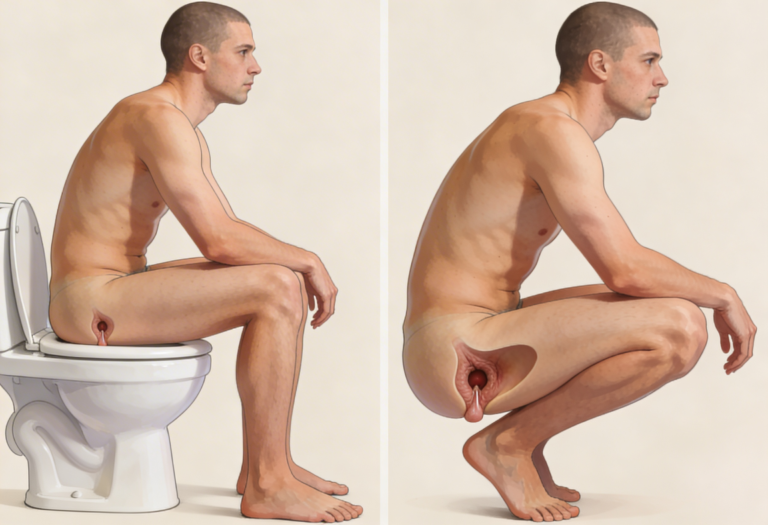
Toilet posture

Squatting position is anatomically superior.
Use a footstool on western toilet.

Movement

Daily walking improves gut motility.

Medical Treatment

Osmotic laxatives

  • Lactulose
  • PEG

Draw water into stool
Safe for longer use

Stimulant laxatives

  • Senna
  • Bisacodyl

Used short-term
Not for chronic daily use without supervision

Prescription prokinetics

  • Prucalopride
  • Linaclotide
  • Lubiprostone

Used in chronic refractory constipation

Biofeedback Therapy (For Pelvic Floor Constipation)

Best treatment for outlet obstruction.

Pelvic muscles are retrained using sensor feedback.

Success rates >70%.

Often recommended by gut motility specialists including programs under Dr. Gaurang Ramesh

When to See a Gut Specialist

Consult if:

  • Constipation >3 months
  • Need laxatives regularly
  • Feel incomplete after bowel movement
  • Have piles with constipation
  • Diet changes failed
  • Severe bloating persists
  • Symptoms affect daily life

Structured constipation evaluation is available through GutHealthDoctor and gastroenterology teams at Arka Anugraha Hospital.

FAQs Is daily stool necessary?

 No comfort and completeness matter more.

Is Isabgol safe daily?
Yes with enough water.

Can constipation cause piles?
Yes straining is main cause.

Does water alone cure constipation?
Only when fiber intake is adequate.

Are laxatives addictive?
Stimulants can be if overused.

Can stress cause constipation?
Yes via the gut-brain axis.

Is squatting better than sitting?
Yes, it improves anorectal angle.

Can probiotics help?
Sometimes strain dependent.

Dr. Gaurang Ramesh

Surgical Gastroenterologist, Functional and Integrative Medicine Practitioner
Expert Landscapers

Lorem ipsum dolor sit amet, consectetur adipiscing elit.

Free Consultation

Lorem ipsum dolor sit amet, consectetur adipiscing elit.

Licensed Company

Lorem ipsum dolor sit amet, consectetur adipiscing elit.

Recent Blogs