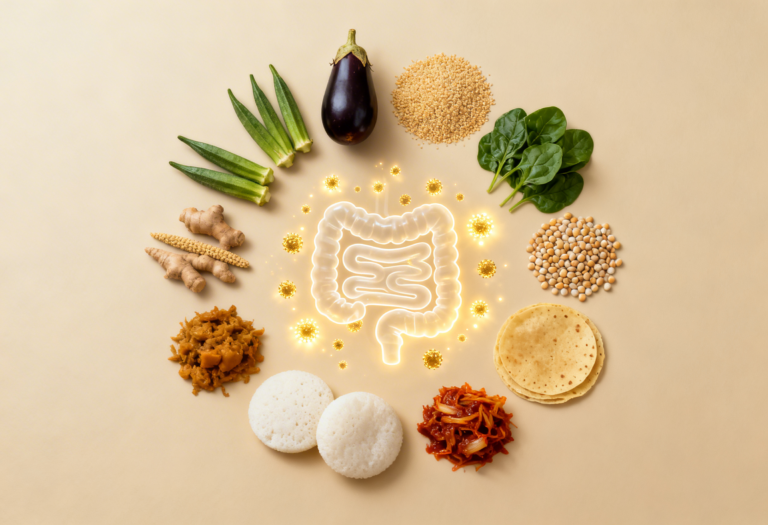
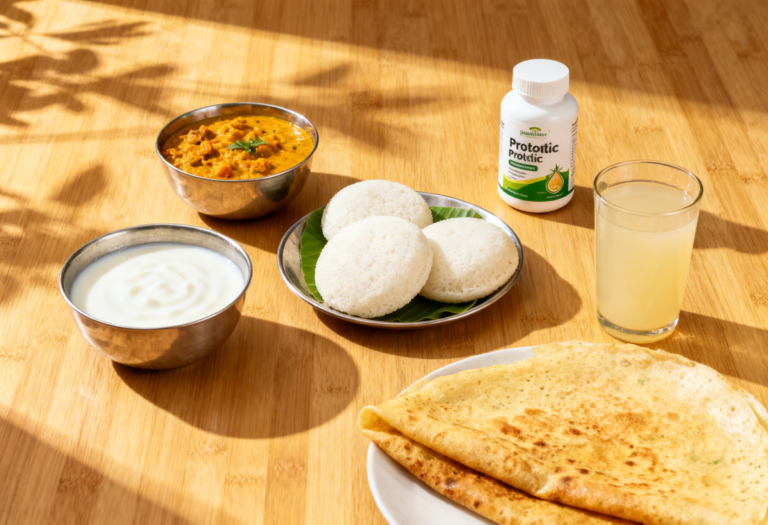
In today’s India, digestive complaints such as constipation, bloating, irregular bowel habits, fatty liver, diabetes, and obesity are rising rapidly. While many patients focus on protein intake, supplements, or detox plans, one critical nutrient is consistently under-consumed – dietary fibre.
According to the 2024 ICMR-NIN Dietary Guidelines for Indians, adults should consume 25 to 30 grams of fibre per day. However, national surveys show that nearly 70 percent of Indians fail to meet this target.
For gastroenterologists and functional medicine specialists, fibre is no longer considered “roughage.” It is a biological regulator that shapes the gut microbiome, supports metabolic health, and protects the intestinal barrier.
Primary keyword: dietary fibre benefits Secondary keywords: high fibre Indian foods, fibre for constipation, fibre and gut health India, ICMR fibre guidelines 2024 LSI keywords: soluble fibre, insoluble fibre, short chain fatty acids, gut microbiome health, whole grains India
What Is Dietary Fibre?
Dietary fibre refers to plant-based carbohydrates that resist digestion in the small intestine. Unlike proteins and fats, fibre reaches the colon largely intact.
This resistance to digestion is what makes fibre powerful.
Instead of being absorbed as calories, fibre:
Adds bulk to stool
Regulates bowel movement
Feeds beneficial gut bacteria
Produces short chain fatty acids
Influences blood sugar and cholesterol
Types of Fibre and Why They Matter
Modern science classifies fibre beyond just soluble and insoluble. Viscosity and fermentability are equally important.
Soluble Fibre
Soluble fibre dissolves in water to form a gel-like substance.
Sources in India include:
Oats
Isabgol
Citrus fruits
Legumes
Guava
Benefits:
Slows gastric emptying
Stabilizes blood sugar
Lowers LDL cholesterol
Improves satiety
Insoluble Fibre
Insoluble fibre does not dissolve in water.
Common Indian sources:
Whole wheat atta
Vegetable peels
Millets like jowar and bajra
Leafy greens
Benefits:
Adds bulk to stool
Speeds intestinal transit
Prevents constipation
Reduces straining
Resistant Starch
Found in:
Cooked and cooled rice
Raw bananas
Lentils
Potatoes after cooling
Resistant starch acts like fermentable fibre and improves insulin sensitivity.
A healthy Indian diet must include a mix of all these forms.
How Fibre Feeds Your Gut Microbiome
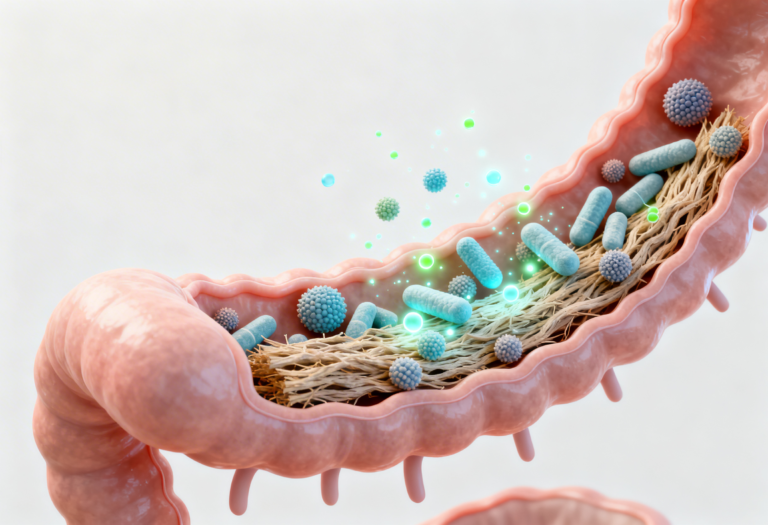
When fibre reaches the colon, gut bacteria ferment it.
This fermentation produces short chain fatty acids including:
Butyrate
Propionate
Acetate
Why Butyrate Is Critical
Butyrate:
Fuels colon cells
Strengthens gut barrier
Reduces inflammation
Protects against colorectal cancer
Prevents leaky gut
Low fibre diets reduce butyrate production and promote harmful bacterial metabolites.
This is one reason why fibre and gut health are directly linked.
Fibre and Metabolic Health
Fibre does more than improve digestion.
It influences hormonal signaling.
Short chain fatty acids stimulate release of:
GLP-1
Peptide YY
These hormones:
Reduce hunger
Improve insulin sensitivity
Support weight loss
Stabilize blood glucose
For patients with prediabetes, obesity, or fatty liver, fibre acts as a natural metabolic regulator.
Dr. Gaurang Ramesh often emphasizes that gut-based metabolic correction starts with fibre diversity, not restriction.
The 2024 ICMR Fibre Guidelines for Indians
The updated 2024 Dietary Guidelines for Indians recommend:
25 to 30 grams of fibre daily
At least 50 percent cereal intake from whole grains
400 grams vegetables daily
Increased legume diversity
Less than 5 percent calories from added sugar
This shift addresses the growing burden of:
Type 2 diabetes
Obesity
Fatty liver
Chronic constipation
Irritable bowel syndrome
In Bengaluru and other urban centers, refined maida-based diets are replacing traditional millet and pulse-rich meals, widening the fibre gap.
The Indian Fibre Gap
Recent surveys show:
70 percent of Indians do not meet daily fibre targets
Women are more deficient than men
Urban populations consume less whole grains
Consequences include:
Chronic constipation
Bloating
Hemorrhoids
Diverticular disease
Insulin resistance
In clinical practice at Arka Anugraha Hospital, many patients with irregular bowel movements simply lack adequate fibre intake.
Fibre in Common Digestive Conditions
Fibre for Constipation
Fibre increases stool bulk and frequency. It remains the first-line therapy for functional constipation.
However, hydration is mandatory.
Without adequate water, fibre can worsen hard stools.
Fibre in Irritable Bowel Syndrome
Research shows that soluble fibre improves IBS symptoms.
Insoluble fibre such as wheat bran may worsen bloating in some patients.
Individual tolerance matters.
Fibre and Hemorrhoids
Fibre reduces straining during bowel movements.
It lowers risk of bleeding and prolapse.
Fibre and Diverticular Disease
High fibre intake reduces intraluminal pressure in the colon and decreases diverticular complications.
Indian High Fibre Foods You Should Eat Daily
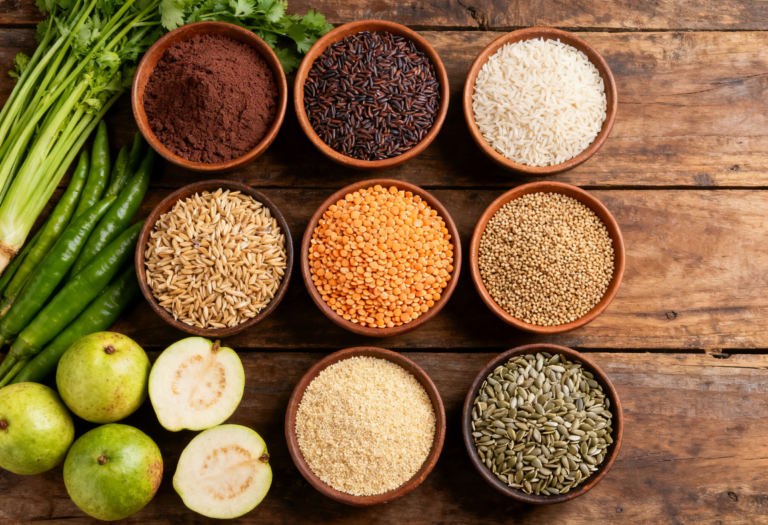
Millets
Ragi
Jowar
Bajra
These are rich in insoluble fibre and micronutrients.
Pulses
Rajma
Chana
Moong
Masoor
Provide soluble fibre and protein.
Fruits
Guava with seeds
Papaya
Apple with skin
Vegetables
Spinach
Methi
Amaranth
Lauki
Seeds
Flax seeds
Sesame seeds
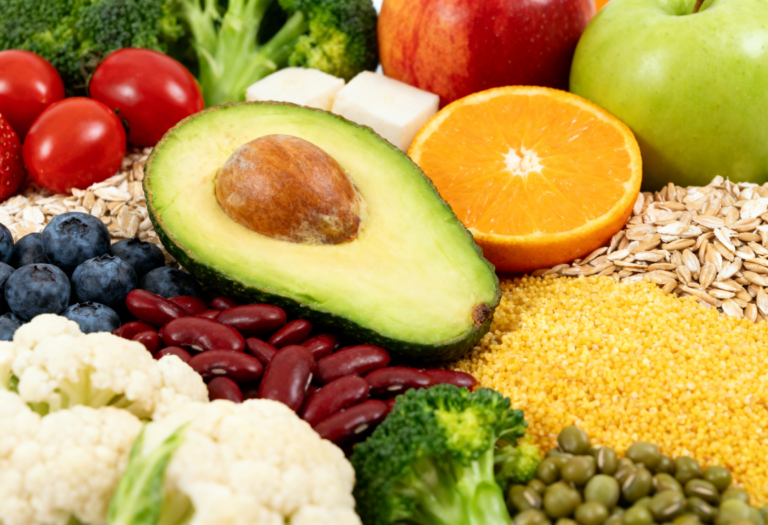
Incorporating these daily easily reaches 25 to 30 grams.
Isabgol - When and How to Use It
Isabgol or psyllium husk is a gel-forming soluble fibre.
Benefits:
Softens stool
Improves gut barrier
Increases butyrate production
However:
Must be taken with at least 200 ml water
Should be separated from medications by 2 hours
Long-term use requires supervision
At Arka Anugraha Hospital, fibre supplementation is personalized rather than generalized.
Why Some People Feel Worse on High Fibre
If high fibre increases bloating, consider:
Small Intestinal Bacterial Overgrowth
Intestinal Methanogen Overgrowth
Pelvic floor dyssynergia
Slow transit constipation
Advanced tests such as hydrogen breath testing or anorectal manometry may be required.
Dr. Gaurang Ramesh integrates diagnostic precision before advising aggressive fibre loading.
The Low and Slow Method
Increase fibre gradually.
Steps:
Add 2 to 3 grams every few days
Increase water intake
Prefer cooked vegetables initially
Monitor symptoms
Sudden high fibre can cause gas due to rapid microbial fermentation.
Sample High Fibre Indian Meal Plan
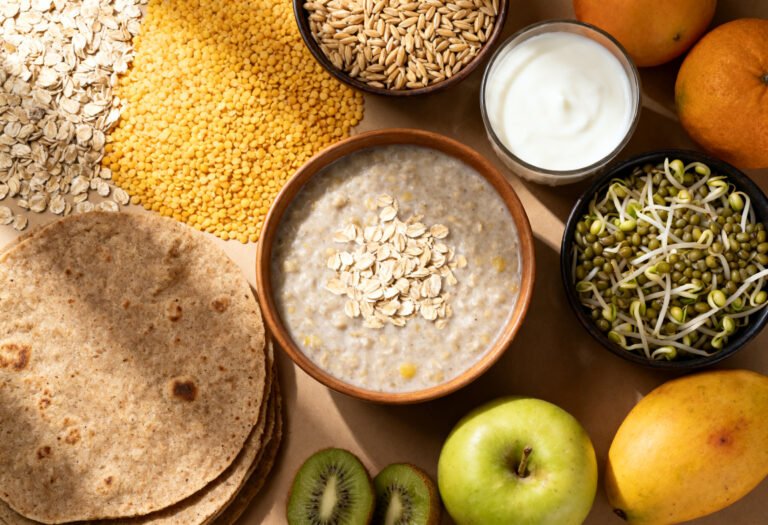
Breakfast Vegetable oats upma or ragi porridge
Mid-morning Guava or papaya
Lunch Jowar roti, rajma, spinach sabzi
Evening Roasted chana
Dinner Brown rice, moong dal, lauki
This can provide approximately 28 to 32 grams of fibre.
When to See a Specialist
Consult a gastroenterologist if you experience:
Blood in stool
Unexplained weight loss
Persistent vomiting
Nighttime diarrhea
Severe abdominal pain
Fibre is powerful but not a substitute for diagnosis.
Living Well with Gluten Sensitivity
Long-term success involves:
Structured diet planning
Nutritional supplementation where required
Monitoring of vitamin levels
Psychological support if needed
Education about cross-contamination
With proper guidance, patients can maintain gut resilience and systemic health.
Conclusion
Dietary fibre is not optional. It is foundational to gut health, metabolic regulation, and long-term disease prevention.
The 2024 ICMR guidelines provide clear targets, but personalization remains essential.
Incorporating traditional Indian high fibre foods, maintaining hydration, and gradually increasing intake can transform digestive health.
If symptoms persist despite dietary correction, structured evaluation can help identify underlying motility or microbiome disorders.
FAQs
How much fibre do Indians need daily? Adults should consume 25 to 30 grams daily as per 2024 guidelines
What are the best high fibre Indian foods? Millets, pulses, guava, leafy greens, and seeds are excellent sources.
Can fibre help with weight loss? Yes. It increases satiety and improves insulin sensitivity.
Why does fibre cause gas initially? Gut bacteria ferment fibre, producing gas during adaptation.
Is brown rice better than white rice? Yes. Brown rice retains its fibre-rich bran layer.
Can fibre reduce cholesterol? Soluble fibre binds bile acids and lowers LDL cholesterol.
Is Isabgol safe for daily use? In moderation and with adequate hydration, yes. Consult a doctor for long-term use.
Does cooking destroy fibre? No. Cooking softens fibre but does not remove it.
Dr. Gaurang Ramesh
Surgical Gastroenterologist, Functional and Integrative Medicine Practitioner
Expert Landscapers
Lorem ipsum dolor sit amet, consectetur adipiscing elit.
Free Consultation
Lorem ipsum dolor sit amet, consectetur adipiscing elit.
Licensed Company
Lorem ipsum dolor sit amet, consectetur adipiscing elit.