What Is the Gut? A Beginner’s Guide to Your Second Brain

Have you ever had “butterflies” in your stomach before a big presentation?. Or been told by a friend to “trust your gut feeling” about a big decision?.

These common phrases aren’t just metaphors. They are real, physical signals from one of the most complex, intelligent, and fascinating systems in your entire body: your gut.

For many of us, the gut is a source of frustration. We only think about it when it’s “acting up”—causing uncomfortable bloating, painful acid reflux, gas, or unpredictable bowel habits. We often dismiss it as a simple, and sometimes troublesome, plumbing system.

But what is the gut? In this guide, we will explore the true gut meaning in the human body. Your gut is so much more than a digestive tube. It’s a sophisticated and intelligent “second brain” that runs its own operations. It’s the headquarters of your body’s immune system, and it’s a massive chemical factory that produces hormones and neurotransmitters that profoundly impact your mood.

Understanding your gut is the first step to taking control of your whole-body health.

Gut Meaning in the Human Body: A Digestive System Overview

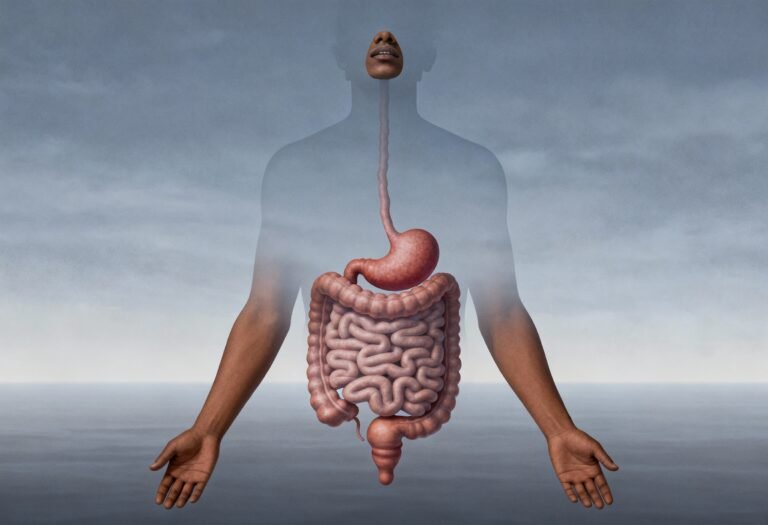
In simple, patient-friendly terms, your gut is your gastrointestinal system, also called the GI tract or digestive tract.

At its core, it’s a long, muscular, twisting tube that runs from your mouth all the way to your anus.8 This entire pathway, sometimes called the alimentary canal, can be over 9 metres (30 feet) long in a typical adult.

A common point of confusion is the difference between the “stomach” and the “gut.” Many people use these terms interchangeably. However, your stomach is just one organ in this vast system.7 The “gut” refers to the entire system, from entry to exit.


Your Gut Anatomy: The Hollow and Solid Gut Organs

A complete digestive system overview includes two main groups of gut organs: the hollow organs that form the main tract and the solid “helper” organs that support them.

The Hollow Organs (The Path of Food)

Let’s trace the journey your food takes through this part of your gut anatomy:

  • Mouth: This is where digestion begins. Your teeth start the mechanical breakdown (chewing), while your saliva releases enzymes to start the chemical breakdown of carbohydrates.

  • Esophagus: After you swallow, this muscular tube uses a powerful, wave-like motion called peristalsis to push food down toward your stomach.

  • Stomach: This J-shaped organ acts as a holding tank. It churns your food, mixing it with powerful acid and enzymes to break down proteins and kill harmful bacteria.

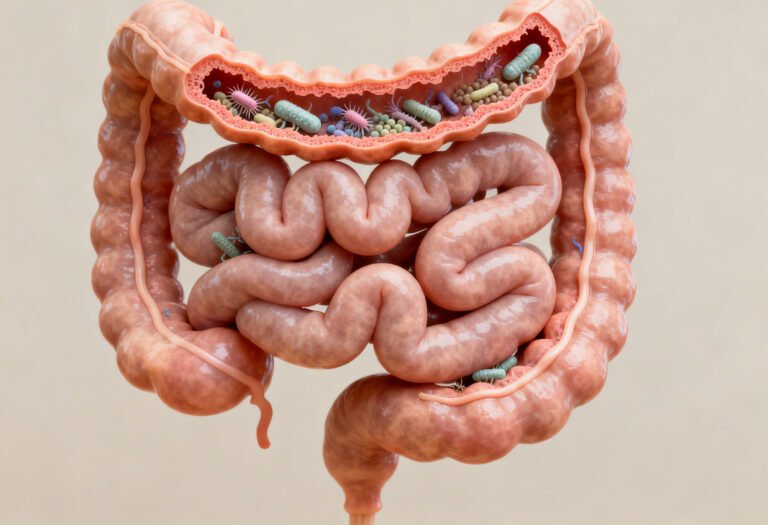
  • Small Intestine: This is the longest part of your gut, a tightly coiled tube where the real magic happens. It’s where most chemical digestion is finalised and where almost all of your nutrients (proteins, fats, carbs, vitamins, and minerals) are absorbed into your bloodstream. It consists of three parts: the duodenum, jejunum, and ileum.

  • Large Intestine: This wider tube includes the cecum, colon, and rectum. Its main job is to absorb water and electrolytes from the remaining indigestible food waste, turning it from a liquid slurry into solid stool (poo).
  • Anus: This is the final exit point of the digestive tract, where waste is eliminated from the body.


The Solid Organs (The Helpers)

These organs don’t hold food. Instead, they produce and secrete essential juices that the digestive tract needs to do its job:

  • Liver: This vital organ produces bile, a substance that helps you digest fats.

  • Gallbladder: A small, pear-shaped pouch that stores and concentrates the bile made by the liver, releasing it into the small intestine when you eat.

  • Pancreas: This organ creates powerful digestive enzymes that break down carbohydrates, fats, and proteins. It releases them into the small intestine.

Gut Function Explained: How Your Body Turns Food Into Fuel

The primary gut function explained in a nutshell is this: to convert the food you eat into the energy and building blocks your body needs to function, grow, and repair itself.

The Three Core Jobs of Your Gut

This complex process can be broken down into three main jobs:

  1. Digestion: The process of breaking down large food particles into tiny, microscopic molecules. This involves both mechanical action (chewing in the mouth, churning in the stomach) and chemical action (acid, bile, and enzymes).

  2. Absorption: The process of transporting those tiny, digested molecules (like amino acids, simple sugars, and fatty acids) across the gut wall and into your bloodstream, where they can be delivered to every cell in your body.

  3. Excretion: The process of eliminating whatever your body can’t use – like indigestible fiber, toxins, and other waste products – from your body in the form of stool.

Your Gut’s Journey: From Mouth to Exit

This table (synthesised from) shows how each organ plays its part in this process:

Organ

Movement & Juices

Main Job

Mouth

Chewing. Saliva.

Begins breaking down starches.

Esophagus

Peristalsis (squeezing).

Moves food to the stomach.

Stomach

Churning. Stomach acid & enzymes.

Breaks down proteins. Holds food.

Small Intestine

Peristalsis. Bile & Pancreatic juices.

Final digestion. Absorbs 90% of nutrients.

Large Intestine

Peristalsis.

Absorbs water from waste. Forms stool.


Meet Your Gut Microbiome: The Trillions of Residents Inside You

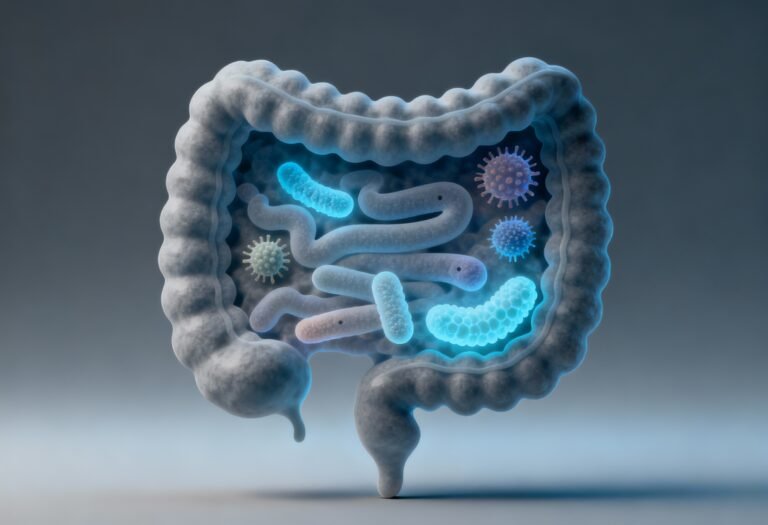
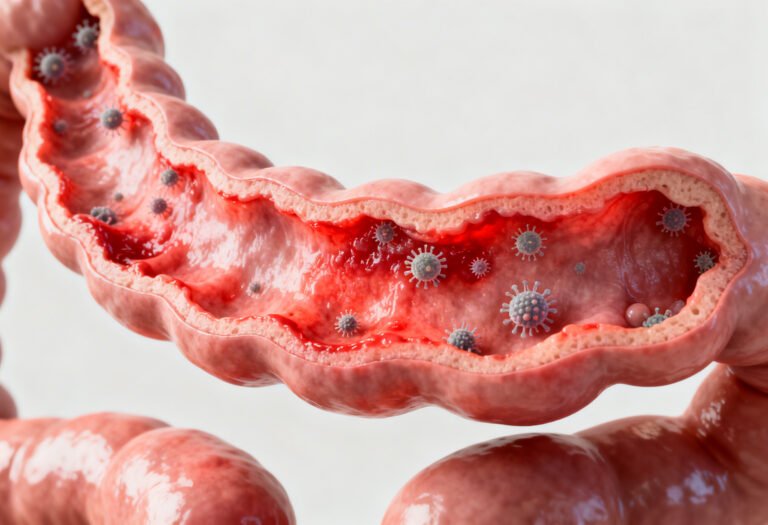
For decades, this was where our understanding of gut function ended. But now we know your gut doesn’t work alone. It is home to a vast, living, and dynamic ecosystem called the gut microbiome.

This is a community of trillions of microorganisms – including bacteria, viruses, and fungi—that live in your gut, mostly in your large intestine. This “microbiota” is so vast it weighs about 200g (as much as an adult hamster!) and contains over 100 trillion microbial cells. It is so essential to your health that it’s often called a “hidden organ”.

These microbes are not “germs” to be feared; they are essential partners.7 Their jobs include:

  • Digesting Fiber: They break down dietary fiber that our own bodies can’t, which is critical for healthy digestion.

  • Producing Nutrients: They manufacture essential vitamins for us, like Vitamin K and B vitamins.

  • Creating ‘Super-Foods’: When they ferment fiber, they produce Short-Chain Fatty Acids (SCFAs). These powerful compounds nourish the cells of your gut lining, lower inflammation, and support your metabolism.

  • Protecting You: They form a “fortified wall”, competing with harmful pathogens and strengthening your gut barrier.

  • Training Your Immune System: They are in constant communication with your immune cells.

This microbial community is the key to a new definition of “gut health.” While there is no single medical definition, “gut health” is best understood as having a diverse and balanced gut microbiome with limited digestive symptoms. A rich variety of microbes is the number one indicator of a healthy, resilient gut.

The "Second Brain": Why Your Gut Is Smarter Than You Think

This is where the gut’s story goes from a simple digestive system to a truly mind-blowing neurological organ. The term “second brain” is not a cute metaphor; it is a literal, scientific reality.


The Enteric Nervous System (ENS): The Brain in Your Gut

Embedded in the lining of your gut wall, from your esophagus all the time to your anus, is the Enteric Nervous System (ENS).

This is a “mesh-like” network  containing over 100 million nerve cells. That is more neurons than are in your entire spinal cord or your peripheral nervous system.

It’s called a “second brain” because it is the only organ system that can think for itself. It can operate autonomously. It is capable of sensing the environment inside your gut, processing that information, and generating a local response – all without needing to consult the “big brain” in your head. This is how your gut knows how to perform the complex “dance” of digestion, like coordinating peristalsis, regulating enzyme secretion, and managing blood flow, all on its own.


The Gut-Brain Axis: Your Body’s Two-Way Communication Highway

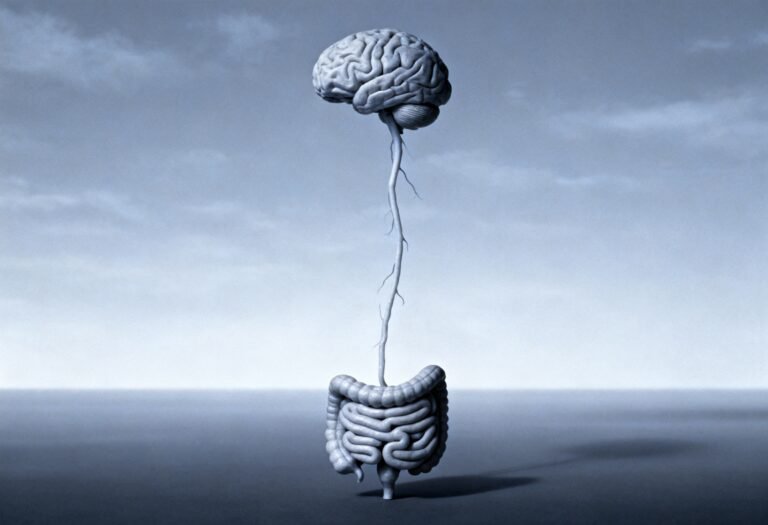
While your ENS can work alone, it’s in “constant crosstalk”  with your Central Nervous System (CNS), or the “brain in your head.” This bi-directional (two-way) information superhighway is known as the Gut-Brain Axis.

This communication happens through several channels:

  1. The Vagus Nerve: A large, winding nerve that acts as a direct, physical “hotline” connecting the brainstem directly to your abdomen.

  2. Chemical Messengers: Hormones and neurotransmitters (like serotonin) made in the gut travel through your bloodstream to the brain.

  3. The Microbiome: Your gut microbes themselves produce chemical signals that can influence brain function.

This “two-way street” is at the heart of your daily experience:

  • Brain-to-Gut (Top-Down): This is the one you already know well. Have you ever felt anxious and suddenly had to run to the bathroom?. That’s your brain feeling stress and sending “fight or flight” signals down the vagus nerve. This can cause the “butterflies” you feel, or trigger cramps and diarrhea.

  • Gut-to-Brain (Bottom-Up): This is the revolutionary part. The communication goes both ways. An inflamed, irritated, or imbalanced gut (a state called “dysbiosis”) can send constant “distress” signals up the vagus nerve to your brain. Your brain can interpret this as a threat, contributing to feelings of anxiety, depression, or brain fog.

This changes everything. It means your mental state may be a direct reflection of your gut’s physical state.

Beyond Digestion: Why Gut Health Is the Key to Whole-Body Health

Your gut’s influence doesn’t stop at digestion or your brain. Its health is foundational to the health of your entire body. This is the core principle of integrative and functional medicine.


Your Gut and Your Mood: The Serotonin Connection

This is one of the most staggering facts in modern medicine: approximately 90% of your body’s serotonin is produced in your gut.

Serotonin is the famous “feel-good” neurotransmitter that regulates your mood, sleep, and appetite. It’s not made in your brain; it’s made by the nerve cells in your ENS (your “second brain”) and by your gut bacteria.

An unhealthy gut microbiome can mean disrupted serotonin production. This provides a direct, physical explanation for the link between gut issues and mental health struggles like anxiety and depression.


Your Gut and Your Immune System: Your Body’s First Line of Defense

A massive 70% to 80% of your body’s immune system is located in your gut.

Your gut lining is your body’s primary “fortified wall” , separating the outside world (everything you swallow) from your internal bloodstream. It’s the job of your gut’s immune system, which is “trained” by your gut microbiome, to make critical decisions every second. It must learn to:

  • Attack harmful invaders (like viruses or pathogens).

  • Tolerate beneficial microbes and harmless food particles.

A healthy, balanced gut leads to a smart, balanced immune system. An imbalanced microbiome (dysbiosis) or a “leaky” gut barrier can confuse your immune cells. This can cause them to either under-react (making you prone to frequent colds) or over-react, which leads to chronic inflammation and even autoimmune conditions like rheumatoid arthritis or thyroid issues.


Your Gut and Your Metabolic Health: Links to Weight and Blood Sugar

Your gut also plays a central role in your metabolic health—how your body manages energy.

Your gut microbes are key players. They influence:

  • Weight Regulation: They help determine how many calories you extract from food and how your body stores fat.

  • Blood Sugar: They play a crucial role in stabilizing your blood sugar and managing insulin sensitivity.

  • Appetite: They can even influence the hormones that control your hunger and cravings.

This is why modern research now strongly links imbalances in the gut microbiome to metabolic conditions like obesity, type 2 diabetes, and cardiovascular disease.

10 Signs Your Gut May Be in Distress

How do you “listen to your gut”?. Symptoms are your body’s “check engine” light. But many people ignore the “non-digestive” signs because they don’t realise they’re connected.

Common Digestive Signs (The Obvious Clues)

  • Frequent gas, bloating, or abdominal pain 
  • Chronic constipation (infrequent or hard-to-pass stools) 
  • Chronic diarrhea (frequent or watery stools) 
  • Heartburn or acid reflux (a burning in your chest) 
  • Food intolerances (feeling sick after eating specific foods like dairy or gluten)

Surprising Non-Digestive Signs (The Hidden Clues)

  • Chronic Fatigue: Feeling tired all the time, even when you get enough sleep.
  • Skin Irritations: Unexplained eczema, psoriasis, acne, or rashes.
  • Mood Disorders: Persistent anxiety, depression, or severe mood swings.
  • Brain Fog: Difficulty concentrating, poor memory, or feeling “foggy”.
  • Autoimmune Conditions: A gut imbalance may be a trigger for conditions like rheumatoid arthritis or thyroiditis.
  • Unintentional Weight Changes: Gaining or losing weight without changing your diet or exercise habits.
  • Intense Sugar Cravings: Unhelpful microbes can send signals demanding the processed, sugary foods they thrive on.
  • Frequent Infections: Often getting colds or the flu can be a sign your gut-based immune system is struggling.

How to Improve Your Gut Health: A Beginner's Action Plan

The best thing about your gut microbiome is that it’s resilient. You have the power to change it through your daily choices. Here are simple, powerful ways to start.


Feed Your Gut With a Diverse Diet

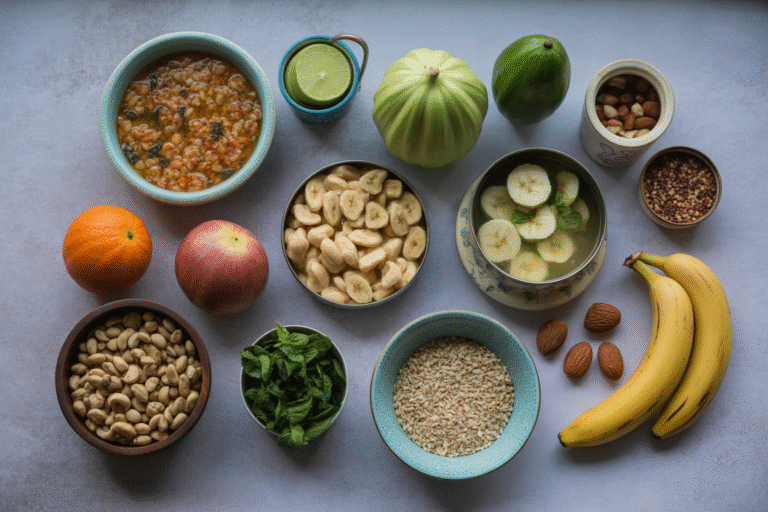
  • The 30-Plant-Food-a-Week Rule: This is the most important tip. The #1 marker of a healthy gut is microbial diversity. The #1 way to get it is dietary diversity. Different microbes eat different plant fibers. Aim to eat at least 30 different types of plant-based foods a week. This includes all fruits, vegetables, nuts, seeds, legumes, and whole grains.

  • Eat Prebiotics (The “Fertilizer”): Prebiotics are special fibers that “feed” your good bacteria. You can find them in foods like garlic, onions, leeks, asparagus, bananas, and oats.

  • Eat Probiotics (The “Reinforcements”): Probiotics are live, beneficial bacteria found in fermented foods. Add in foods like yogurt (curd), kefir, kimchi, sauerkraut, kombucha, and traditional Indian fermented foods like dosa or idli batter.

  • Limit Processed Foods: A diet high in sugar, saturated fat, and artificial additives can feed the “unhelpful” microbes, leading to imbalance and inflammation.


Master Your Lifestyle for Gut-Brain Balance

You can’t have a healthy gut without a calm brain. You must manage the gut-brain axis.

  • Manage Stress: Since psychological stress can directly harm your gut lining and microbiome , daily stress reduction is non-negotiable. This can be meditation, deep breathing, yoga, walking in nature, or any joyful hobby.

  • Prioritize Sleep: Poor sleep can harm your microbiome. Aim for 7-8 hours of quality sleep per night.

  • Move Your Body: Regular exercise is fantastic for gut motility (preventing constipation) and also supports microbial diversity.

  • Stay Hydrated: Water is essential for helping fiber do its job, softening stool, and preventing constipation.

  • Eat Mindfully: This directly helps your gut-brain axis. Chew your food thoroughly (20-30 times). Eat slowly, and stop when you are 80% full. This improves digestion and reduces bloating.

Beyond the Basics: Finding the Root Cause of Your Gut Issues in Bengaluru

If you are reading this, you may have already tried all this general advice. If you’re still suffering from chronic gastritis, acid reflux, bloating, or constipation, it is not your fault. It’s because your problem is unique.

Generic advice is a great start, but it doesn’t fix a specific root cause.

At the GutHealthDoctor clinic in Bengaluru, we practice Integrative Gastroenterology and Functional Medicine. We don’t just prescribe pills to mask your symptoms. We partner with you to find why you have them. “Every person with chronic illness has a different underlying cause for their symptoms, and therefore, no two patients are alike”.

We use advanced functional diagnostic tests like Oesophageal Manometry, Ano-Rectal Manometry, and Hydrogen Breath Tests right here in our Bengaluru clinic. This allows us to get a complete, data-driven picture of your unique gut health.

Our goal is to help you “get rid of life-long prescription medications by restoring your microbiome, optimize your diet and lifestyle, correct nutritional deficiencies and create healthy habits”. We help you become your own “health champion”.

Stop passively waiting for a cure. If you are tired of chronic gut symptoms and are ready to find the root cause, we are here to help. Dr. Gaurang Ramesh is one of the leading Integrative Gastroenterologists in Bengaluru, serving J. P. Nagar, Jayanagar, and beyond.

Call us today at +91 8073737505 or click here to book your comprehensive appointment and start your journey back to balance.

Frequently Asked Questions About the Gut (FAQ)

1. What exactly is the gut and what does it do?

Your gut (digestive system) is a long, muscular tube that processes the food you eat. It breaks food down, absorbs nutrients, supports immunity, regulates hormones, and communicates with your brain through the gut-brain axis.

2. Why is the gut called the “second brain”?

Your gut contains the Enteric Nervous System (ENS) — over 100 million nerve cells — which can operate independently of your brain. It produces neurotransmitters like serotonin and sends signals that directly affect your mood, stress response, and mental clarity.

3. What is the gut microbiome?

The gut microbiome is a community of trillions of bacteria, fungi, and other microbes living in your digestive tract. These microbes help digest fiber, make vitamins, support immunity, regulate metabolism, and keep inflammation under control.

4. What are the most common signs of poor gut health?

Digestive symptoms such as gas, bloating, constipation, diarrhea, and acid reflux are common. Non-digestive symptoms may include fatigue, brain fog, mood changes, skin problems, sugar cravings, frequent infections, and unintentional weight changes.

5. How does gut health affect mental health?

Through the gut-brain axis. Your gut produces nearly 90% of your serotonin and sends constant signals to your brain. An imbalanced gut can trigger anxiety, low mood, irritability, and brain fog.

6. How does the gut influence immunity?

Around 70–80% of your immune system lives in your gut. A balanced microbiome trains your immune cells, strengthens your gut barrier, and helps your body identify threats correctly. Poor gut health can increase inflammation and autoimmune tendencies.

7. What foods are best for improving gut health?

A diverse, plant-rich diet is key. Focus on fruits, vegetables, whole grains, fermented foods (curd, idli/dosa batter, kefir, kimchi), legumes, nuts, seeds, and prebiotic-rich foods like garlic, onions, bananas, and oats.

8. What is the difference between prebiotics and probiotics?

Prebiotics are fibers that feed your good bacteria (found in onions, garlic, asparagus, bananas, etc.).
Probiotics are live beneficial bacteria found in fermented foods like yogurt, kefir, kombucha, sauerkraut, and idli/dosa batter.

9. Can stress really affect my gut?

Yes. Stress is one of the biggest disruptors of gut health. It affects digestion, increases acid production, slows motility, weakens the gut lining, and alters your microbiome. Managing stress is critical for gut healing.

10. How long does it take to improve gut health?

Some people feel better within a few days of improving diet and hydration. But deeper gut-microbiome changes take 6–12 weeks. Chronic issues often require personalised evaluation, testing, and treatment.

11. Do I need gut testing to understand my symptoms?

Not always. But if you have chronic bloating, acid reflux, constipation, diarrhea, or symptoms that return frequently, advanced testing (like Hydrogen Breath Test, Oesophageal Manometry, Ano-Rectal Manometry) can identify the root cause accurately.

12. Does gut health affect weight loss and metabolism?

Yes. Your gut microbes influence how many calories you absorb, how you store fat, how stable your blood sugar is, and how hungry you feel. An imbalanced gut microbiome is linked to weight gain and insulin resistance.

13. Is it normal to have bloating every day?

Occasional bloating is normal. Daily bloating is not. It may indicate food intolerances, gut dysbiosis, poor digestion, or issues like IBS, SIBO, or acid imbalance. Persistent symptoms should be evaluated by a gut specialist.

14. Can improving gut health help skin issues like acne or eczema?

Yes. The gut-skin axis is real. Inflammation or imbalance in the gut can trigger or worsen acne, eczema, psoriasis, and rashes. Restoring your gut microbiome often improves skin health naturally.

15. When should I see a gut specialist in Bengaluru?

If you have long-standing acid reflux, gastritis, bloating, stomach pain, constipation, diarrhea, or fatigue that doesn’t improve with lifestyle changes, consult an Integrative Gastroenterologist for root-cause assessment and personalised treatment.

Dr. Gaurang Ramesh

Surgical Gastroenterologist, Functional and Integrative Medicine Practitioner
Expert Landscapers

Lorem ipsum dolor sit amet, consectetur adipiscing elit.

Free Consultation

Lorem ipsum dolor sit amet, consectetur adipiscing elit.

Licensed Company

Lorem ipsum dolor sit amet, consectetur adipiscing elit.

Recent Blogs