What Is the Vagus Nerve? The Gut’s Direct Communication Pathway to the Brain
Many people experience digestive symptoms that worsen with stress bloating before meetings, nausea during anxiety, constipation during emotional strain, or sudden urgency during panic. These are not “just in your head.” They are mediated by a real biological pathway called the vagus nerve.
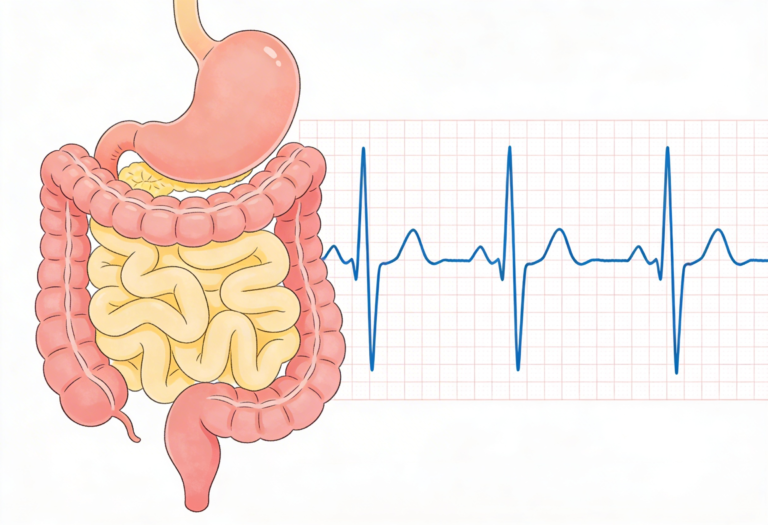
The vagus nerve is the main communication line between the brain and the digestive system. It carries signals that control stomach acid, gut movement, inflammation control, enzyme release, and even how relaxed your intestines are after a meal.
When vagus nerve function is reduced, digestion becomes inefficient, gut sensitivity increases, and symptoms such as IBS, reflux, slow digestion, and functional dyspepsia become more likely.
Specialist gut programs including those led by Dr. Gaurang Ramesh at GutHealthDoctor and gastroenterology teams at Arka Anugraha Hospital in Bengaluru increasingly evaluate vagus nerve and gut-brain axis function when routine digestive treatment does not work.
Let’s understand this in simple clinical terms.
What Is the Vagus Nerve?
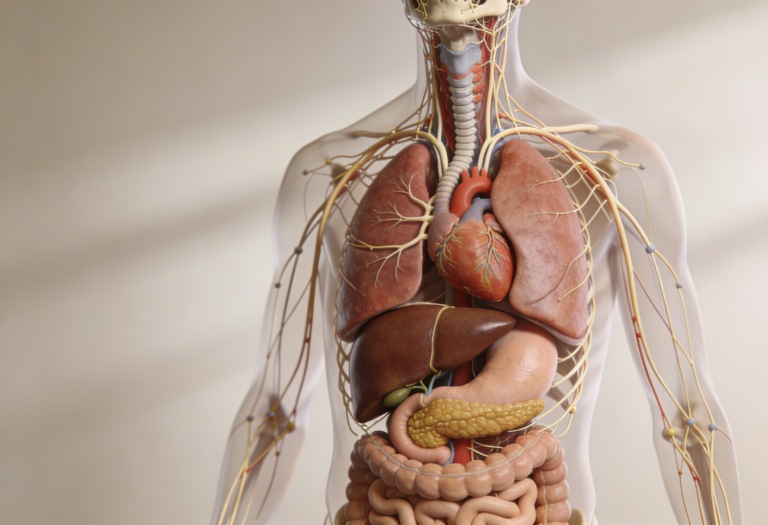
The vagus nerve is the tenth cranial nerve and the longest nerve of the parasympathetic nervous system responsible for “rest and digest” functions.
It starts in the brainstem and travels down through:
Neck
Chest
Heart
Lungs
Stomach
Liver
Pancreas
Intestines
It regulates:
Digestive movement (gut motility)
Stomach acid secretion
Enzyme release
Intestinal inflammation control
Satiety signals
Nausea reflex
Heart rate variability
How the Gut Brain Axis Works
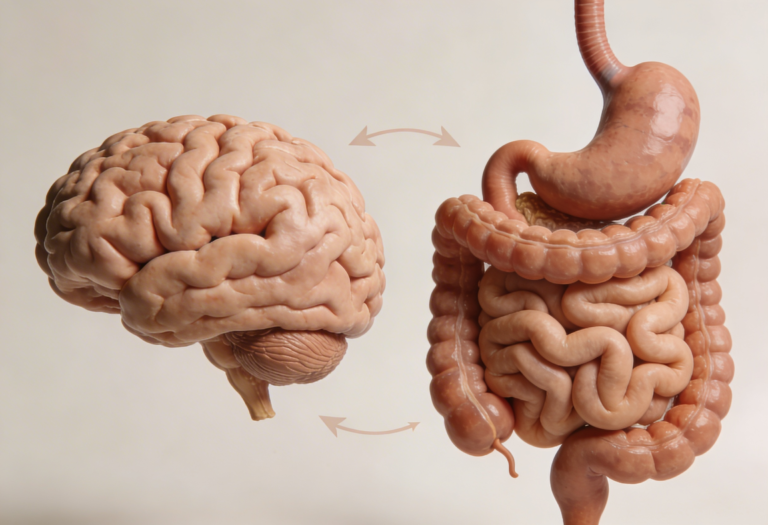
The gut and brain are connected through a bidirectional network called the gut brain axis.
Most signals actually travel from gut to brain
About 80% of vagus nerve fibers are sensory carrying information from the gut upward to the brain.
They transmit signals about:
Gut stretching
Nutrient presence
Inflammation
Microbiome metabolites
Toxin exposure
Only about 20% of signals travel downward from brain to gut to control movement and secretion.
This means your brain constantly monitors your gut status.
The Vagus Nerve and “Rest and Digest”
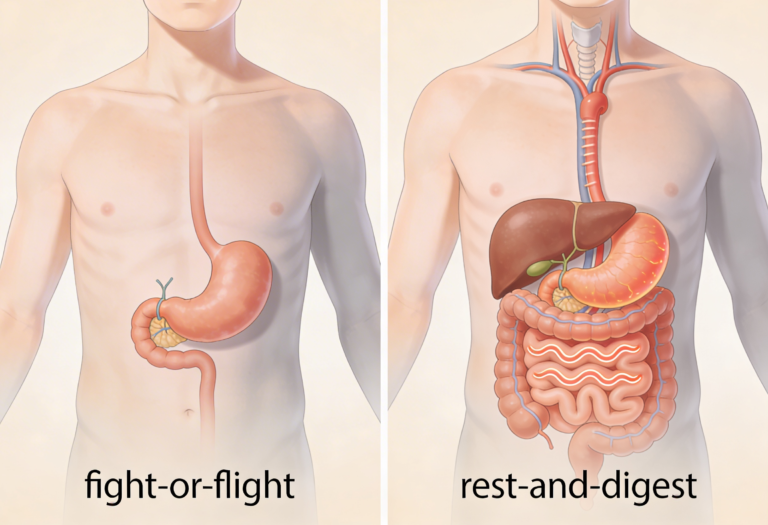
The autonomic nervous system has two modes:
Sympathetic mode fight or flight
Stops digestion
Reduces gut blood flow
Increases heart rate
Raises cortisol
Parasympathetic mode rest and digest
Stimulates stomach activity
Improves gut movement
Enhances enzyme secretion
Reduces inflammation
The vagus nerve is the main parasympathetic nerve controlling digestion.
If vagal tone is low, digestion suffers.
What Is Vagal Tone?
Vagal tone refers to how strong and responsive the vagus nerve is.
High vagal tone is associated with:
Better digestion
Lower inflammation
Better stress recovery
Stable heart rate variability
Improved gut motility
Low vagal tone is linked with:
IBS
functional dyspepsia
gastroparesis
reflux
anxiety-linked gut symptoms
The Vagus Nerve Controls Gut Inflammation
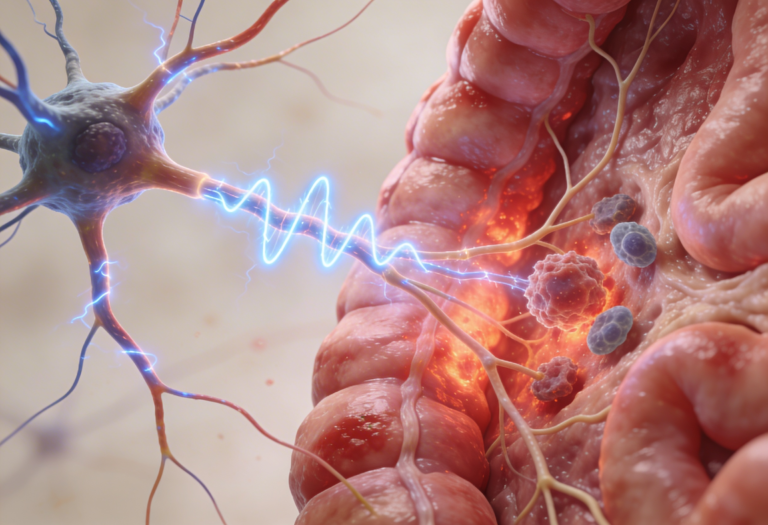
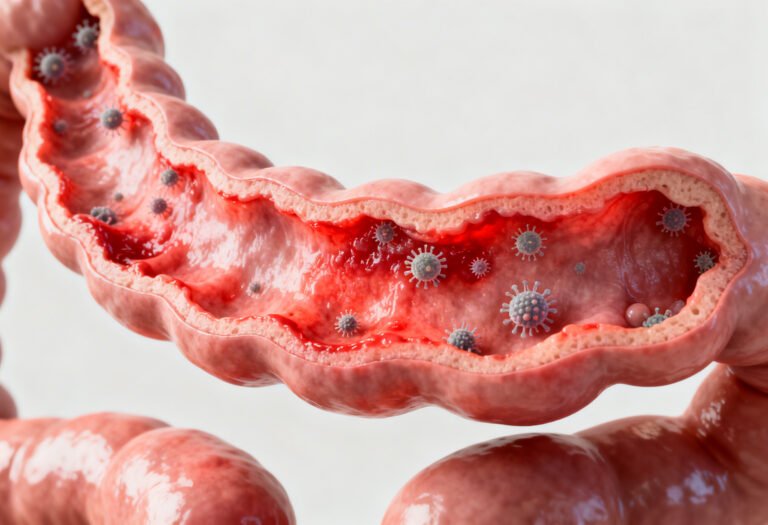
One of the most important vagal functions is the cholinergic anti-inflammatory pathway.
When gut inflammation rises:
Vagus nerve senses inflammatory signals
Brainstem reflex activates
Acetylcholine is released
Immune cells reduce cytokine production
This is the body’s built-in inflammation control system.
Reduced vagal signaling is associated with:
IBD flares
autoimmune gut activity
systemic inflammation
What Causes Poor Vagus Nerve Function
Chronic stress
Long-term stress suppresses vagal activity and keeps the body in sympathetic mode.
Common in:
urban professionals
high workload environments
sleep deprivation
emotional strain
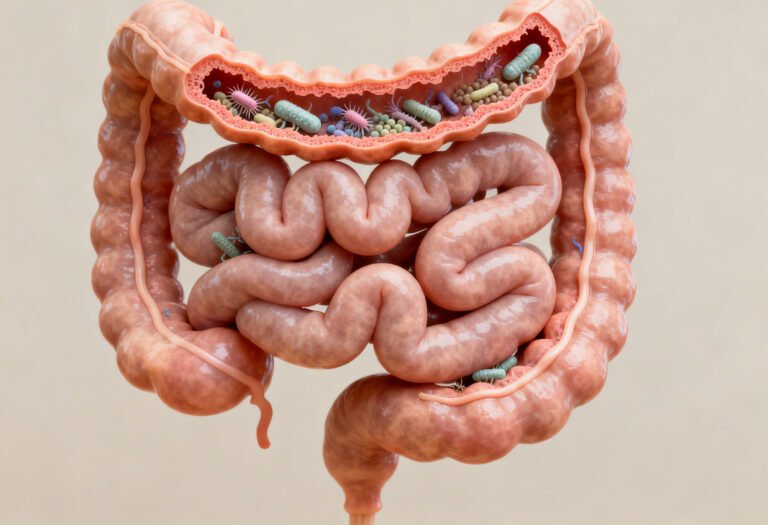
Gut microbiome imbalance
Healthy bacteria produce metabolites that stimulate vagal signaling.
Poor diet high in processed foods and sugar reduces these signals.
Traditional Indian fermented foods like curd, idli batter, and buttermilk support this pathway.
Post infection gut damage
After food poisoning or viral gastroenteritis, some patients develop persistent gut brain signaling problems often labeled post-infectious IBS.
Diabetes and metabolic disease
Diabetic autonomic neuropathy can directly damage vagus nerve fibers.
Structural factors
Hiatal hernia
neck posture compression
cervical tension
thoracic outlet restriction
Symptoms of Vagus Nerve Dysfunction
Because the vagus nerve controls multiple organs, symptoms are wide ranging.
Digestive symptoms
Early fullness
Post-meal heaviness
Chronic bloating
Nausea
Slow digestion
IBS constipation or diarrhea
Reflux not responding to medication
swallowing discomfort
Systemic symptoms
Anxiety
brain fog
palpitations
dizziness
fatigue
low stress tolerance
poor sleep recovery
Patients with combined gut and stress symptoms are often evaluated in gut brain clinics such as GutHealthDoctor and hospital-based integrative GI programs including Arka Anugraha Hospital.
Red Flag Symptoms (Need Immediate Evaluation)
Seek specialist care urgently if you have:
unexplained weight loss
GI bleeding
persistent vomiting
progressive swallowing difficulty
new symptoms after age 50
strong family history of GI cancer
How Vagus Nerve Function Is Tested
Heart Rate Variability (HRV)
Best clinical indicator of vagal tone.
Higher HRV = stronger vagal activity.
Motility testing
Gastric emptying studies
Esophageal manometry
Smart motility capsule
Breath testing
Used to detect SIBO and fermentation disorders linked with poor motility.
Functional gut evaluation
Some integrative programs use multi-factor gut assessment models that examine:
microbiome
inflammation
digestion capacity
stress biology
Treatment Options to Improve Vagal Function
Treatment focuses on neuro-digestive restoration, not just symptom control.
Vagus Nerve Stimulation (VNS)
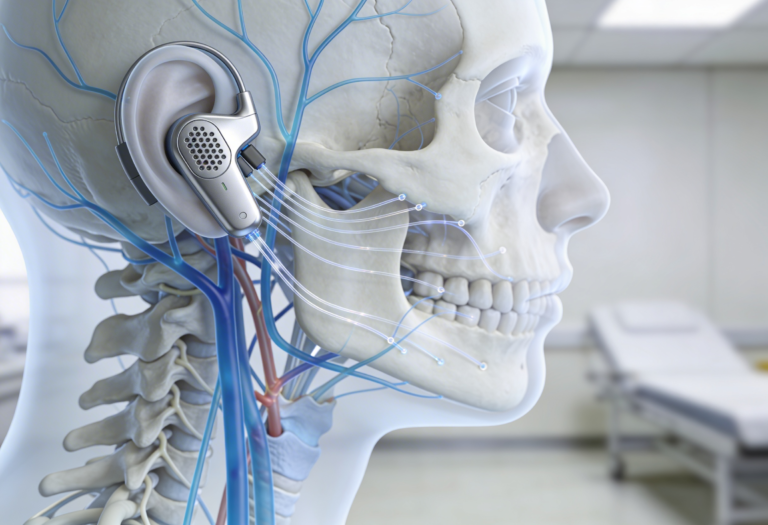
Non-invasive transcutaneous VNS devices stimulate vagal fibers through the ear or neck.
Clinical studies show benefit in:
IBS
gastroparesis
gut pain syndromes
stress-linked digestive disorders
Structured VNS protocols are used in specialist programs including those supervised by Dr. Gaurang Ramesh.
Nutrition for Vagal Support
Helpful foods
fermented foods
curd
Buttermilk
fiber-balanced diet
ginger
turmeric
cumin
Targeted probiotics
Certain strains called psychobiotics influence vagal signaling.
Breathing and Mind Body Therapy
Diaphragmatic breathing
Slow breathing stimulates vagus nerve reflexes.
Gut directed hypnotherapy
Clinically validated for IBS symptom reduction.
Yoga and chanting
Vocal vibration stimulates vagal fibers in the throat.
Medical Support When Needed
Doctors may use:
prokinetics
neuromodulators
targeted antidepressant doses for gut nerve stabilization
These are used strategically, not permanently in most cases.
When to Consult a Gut Brain Specialist
Consult if:
symptoms worsen with stress
IBS treatment fails
chronic bloating persists
reflux remains resistant
motility symptoms continue
you want root-cause evaluation
Programs at GutHealthDoctor and Arka Anugraha Hospital offer structured gut-brain axis evaluation pathways.
FAQs
What does the vagus nerve do in digestion? Controls motility, acid, enzymes, inflammation signaling.
Can stress damage digestion through vagus nerve? Yes chronic stress suppresses vagal activity.
What is vagal tone? Strength of vagus nerve response.
Can breathing exercises help digestion? Yes proven vagal activation method.
Is VNS safe? Non-invasive VNS is generally safe.
Can probiotics affect the vagus nerve? Yes via microbiome metabolites.
Is IBS a gut-brain disorder? Yes classified as gut-brain interaction disorder.
Is testing available in Bengaluru? Yes tertiary GI centers provide it.
Dr. Gaurang Ramesh
Surgical Gastroenterologist, Functional and Integrative Medicine Practitioner
Expert Landscapers
Lorem ipsum dolor sit amet, consectetur adipiscing elit.
Free Consultation
Lorem ipsum dolor sit amet, consectetur adipiscing elit.
Licensed Company
Lorem ipsum dolor sit amet, consectetur adipiscing elit.