Why Milk Causes Bloating: Understanding Lactose Intolerance in India
Milk has been an integral part of Indian culture for centuries. From temple rituals to daily chai, dairy plays a central role in Indian nutrition. Yet, many Indians experience bloating, gas, abdominal discomfort, or loose stools after consuming milk and often dismiss it as simple “acidity” or “gas trouble.”
The underlying reason is often lactose intolerance, a condition caused by reduced ability to digest lactose, the natural sugar found in milk.
Recent data suggests that up to 65 to 75 percent of Indians may have some degree of lactose malabsorption. However, many remain undiagnosed because symptoms overlap with IBS, SIBO, or general indigestion.
Understanding lactose intolerance in the Indian context is essential for maintaining gut health while preserving nutritional balance.
Primary keyword: lactose intolerance India Secondary keywords: milk digestion problems, lactose malabsorption, hydrogen breath test India, milk causing bloating LSI keywords: lactase deficiency, gut fermentation, dairy intolerance symptoms, Indian calcium sources
What Is Lactose Intolerance?
Lactose is a disaccharide composed of glucose and galactose. To digest it, the small intestine produces an enzyme called lactase.
This enzyme is located at the brush border of the intestinal villi. When lactase levels decline, lactose remains undigested.
Undigested lactose leads to two main effects:
Osmotic load – draws water into the intestine, causing diarrhea
Fermentation – colonic bacteria break down lactose, producing hydrogen, methane, and carbon dioxide
These gases cause:
Bloating
Abdominal pain
Flatulence
Loose stools
Lactose Malabsorption vs Lactose Intolerance
Lactose malabsorption refers to reduced enzymatic digestion of lactose. It can be measured objectively.
Lactose intolerance refers to the symptoms caused by malabsorption.
Some individuals may test positive for malabsorption but tolerate small amounts of dairy without discomfort.
Why Is Lactose Intolerance Common in India?
India shows a significant regional variation in lactase persistence.
North India
Approximately 25 to 30 percent may be lactose intolerant.
South India
More than 60 percent may have lactase non-persistence.
This difference is linked to genetic variation in the LCT gene polymorphism. Northern populations historically practiced pastoralism, leading to higher lactase persistence.
Southern populations traditionally relied more on rice-based diets.
Despite India being the world’s largest milk producer, biologically, most adults lose lactase production after childhood.
Primary vs Secondary Lactose Intolerance
Primary lactase deficiency
This is genetically programmed and permanent. Lactase levels decline naturally after weaning.
Secondary lactase deficiency
This occurs due to damage to the intestinal lining.
Common causes in India include:
Viral gastroenteritis
Giardia infection
Tropical sprue
Small Intestinal Bacterial Overgrowth
Celiac disease
Crohn’s disease
Because lactase is located at the villi tips, even mild inflammation can reduce enzyme production.
Common Symptoms of Milk Digestion Problems
Symptoms usually occur 30 minutes to 2 hours after consuming milk.
Gastrointestinal symptoms
Bloating
Gas
Abdominal cramps
Diarrhea
Nausea
Extraintestinal symptoms
Some patients report:
Brain fog
Headaches
Fatigue
Joint aches
These may be related to gut fermentation byproducts and microbiome imbalance.
Red Flag Symptoms That Need Urgent Evaluation
Lactose intolerance does not cause:
Blood in stool
Severe anemia
Nighttime diarrhea
Unexplained weight loss
If these occur, evaluation for inflammatory bowel disease, celiac disease, or malignancy is required.
How Is Lactose Intolerance Diagnosed?
Hydrogen Breath Test
The hydrogen breath test is considered the gold standard.
Procedure:
12-hour fasting
Baseline breath sample
Lactose ingestion
Breath sampling every 15 to 30 minutes
A rise in hydrogen levels confirms lactose malabsorption.
Hospital-based testing ensures better accuracy and interpretation.
At Arka Anugraha Hospital in Bengaluru, structured hydrogen breath testing is performed when milk digestion problems persist despite dietary changes.
Lactose Tolerance Blood Test
Measures blood glucose after lactose ingestion. A minimal rise suggests poor digestion.
Genetic Testing
Can distinguish between primary genetic lactase deficiency and secondary acquired causes.
Managing Lactose Intolerance in the Indian Diet
Complete dairy avoidance is often unnecessary.
Most individuals can tolerate up to 10 to 12 grams of lactose per meal when taken with other foods.
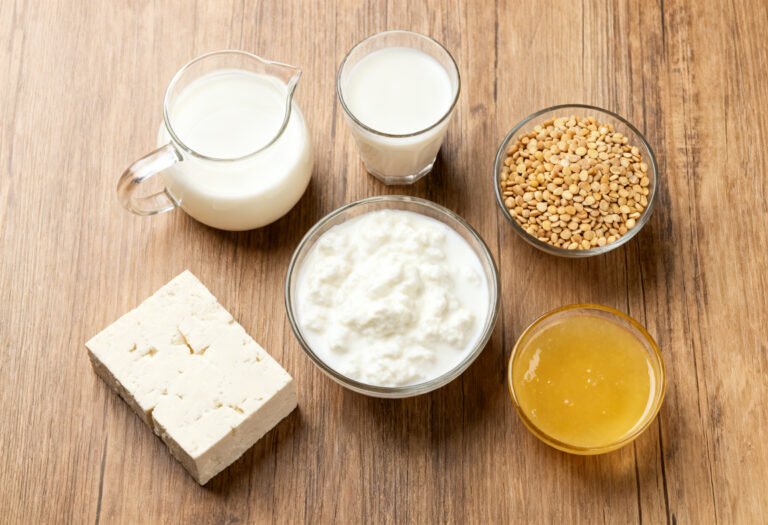
Which Indian Dairy Products Are Safer?
Desi Ghee
Contains almost no lactose. Safe for most lactose intolerant individuals.
Curd
Fermentation reduces lactose content. Probiotic cultures help digestion.
Paneer
Contains some lactose. Tolerated in small amounts.
Milk
Highest lactose load and most common trigger for bloating.
A1 vs A2 Milk Debate
A2 milk contains the same lactose as regular milk. It may be easier to digest for those sensitive to A1 casein protein but does not reduce lactose content.
Therefore, A2 milk is not a solution for true lactase deficiency.
Protecting Bone Health Without Excess Dairy
Avoiding dairy without planning can lead to calcium deficiency.
ICMR recommends 1000 mg calcium per day for adults.
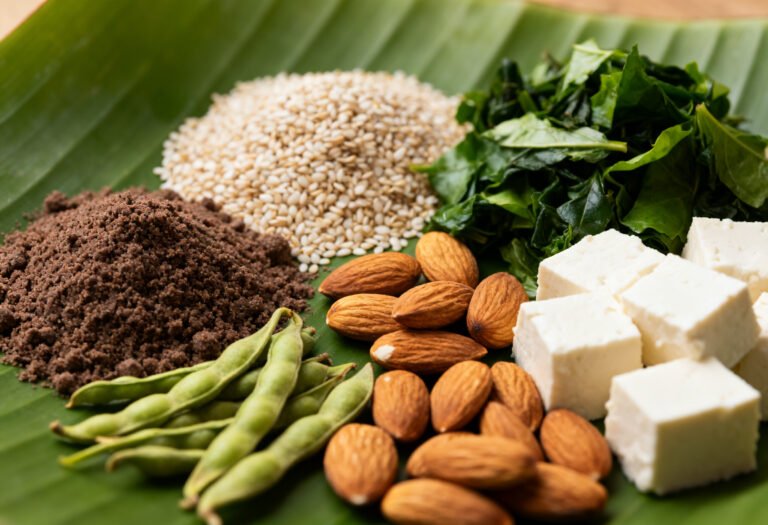
Non-dairy calcium sources in India
Ragi
Moringa leaves
Amaranth
Sesame seeds
Sardines with bones
Vitamin D optimization is essential for calcium absorption. Despite ample sunlight, Vitamin D deficiency is common in India.
The 5R Gut Optimization Approach
For patients with chronic dairy intolerance and gut symptoms, the 5R approach may be applied.
Remove
Identify lactose triggers and inflammatory foods.
Restore
Support digestion with lactase enzymes if required.
Reinoculate
Introduce probiotics such as Lactobacillus and Bifidobacterium.
Repair
Support intestinal lining with nutrients like zinc, L-glutamine, and omega-3 fatty acids.
Rebalance
Optimize meal timing, stress management, and sleep.
Dr. Gaurang Ramesh utilizes an integrative gastroenterology model to assess whether lactose intolerance is primary or secondary and to prevent unnecessary dietary restriction.
When Should You See a Specialist?
Consult a gastroenterologist if:
Symptoms persist even after dairy restriction
Sudden lactose intolerance develops in adulthood
You have associated weight loss
Children show growth delay
You suspect overlapping SIBO or celiac disease
At Arka Anugraha Hospital, evaluation includes structured diagnostics to differentiate lactose intolerance from IBS, SIBO, and inflammatory disorders.
Living Comfortably with Lactose Intolerance
Long-term success involves:
Structured diet planning
Na
Lactose intolerance does not mean a dairy-free life forever.
Strategies include:
Micro-dosing dairy to allow colonic adaptation
Choosing fermented dairy
Using lactase supplements before heavy dairy meals
Spacing dairy intake
Combining dairy with fiber-rich foods
With proper education, patients can maintain digestive comfort and nutritional integrity.
utritional supplementation where required
Monitoring of vitamin levels
Psychological support if needed
Education about cross-contamination
With proper guidance, patients can maintain gut resilience and systemic health.
Conclusion
Lactose intolerance in India is common but often misunderstood. Many patients suffer silently, attributing milk-related bloating to general indigestion.
Through proper testing, individualized tolerance assessment, and nutritional optimization, dairy intolerance can be managed without compromising bone health or quality of life.
If milk consistently causes bloating, professional evaluation can provide clarity and prevent long-term nutrient deficiencies.
FAQs
Is lactose intolerance common in India? Yes. A large percentage of Indians have reduced lactase activity, especially in South India.
Can I eat ghee if I am lactose intolerant? Yes. Pure desi ghee contains negligible lactose.
What is the most accurate test? The hydrogen breath test is considered the gold standard.
Why does milk cause bloating? Undigested lactose is fermented by colonic bacteria, producing gas.
Is curd better than milk? Yes. Fermentation reduces lactose and improves tolerance.
Can lactose intolerance start suddenly? Yes. Secondary causes such as infection or SIBO can trigger it.
Does boiling milk remove lactose? No. Boiling does not significantly reduce lactose content.
Can I meet calcium needs without milk? Yes. Ragi, sesame seeds, moringa, and small fish are excellent sources.
Dr. Gaurang Ramesh
Surgical Gastroenterologist, Functional and Integrative Medicine Practitioner
Expert Landscapers
Lorem ipsum dolor sit amet, consectetur adipiscing elit.
Free Consultation
Lorem ipsum dolor sit amet, consectetur adipiscing elit.
Licensed Company
Lorem ipsum dolor sit amet, consectetur adipiscing elit.